Autonomous Cars Solutions for Smart Mobility

The Global Evolution of Autonomous Vehicles and Smart Cities

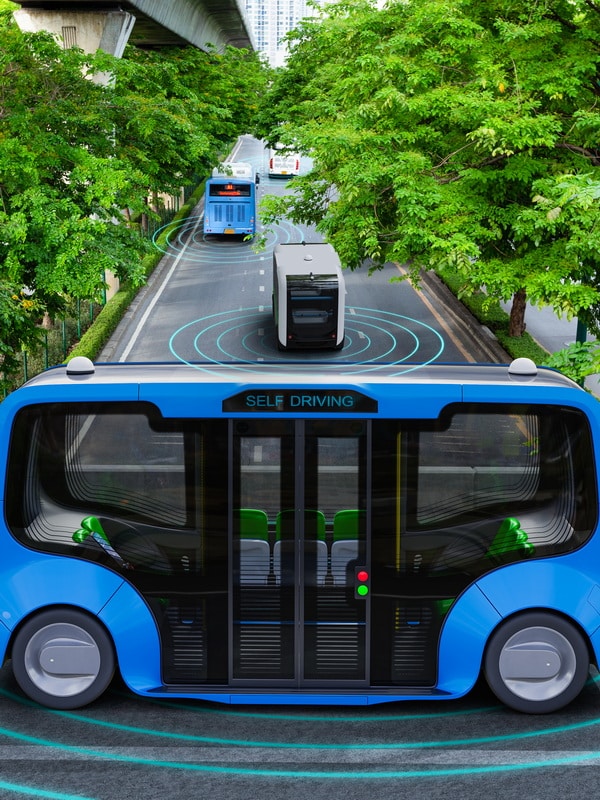
Autonomous vehicle (AV) trends are rapidly shifting toward self-driving passenger cars and Mobility-as-a-Service (MaaS) fleets. This evolution relies on core technologies like sensing (LiDAR, radar, cameras), high-precision mapping, vehicle positioning, decision-making control, and chassis-by-wire systems.

The development roadmap follows a three-stage progression: short-term focus on closed fields (e.g., shuttle buses), mid-term expansion to specific routes like bus lanes, and a long-term goal of unrestricted open-field autonomy.

The market outlook is highly promising, with SAE Level 4 autonomous vehicles expected to capture 55.3% of the global market by 2030, reaching US$800 billion. Driven by smart city demands and supported by government initiatives aligning tech with local needs, companies like SINTRONES are actively accelerating the development of intelligent vehicles and self-driving technologies.

Obstacle Sensing Technology

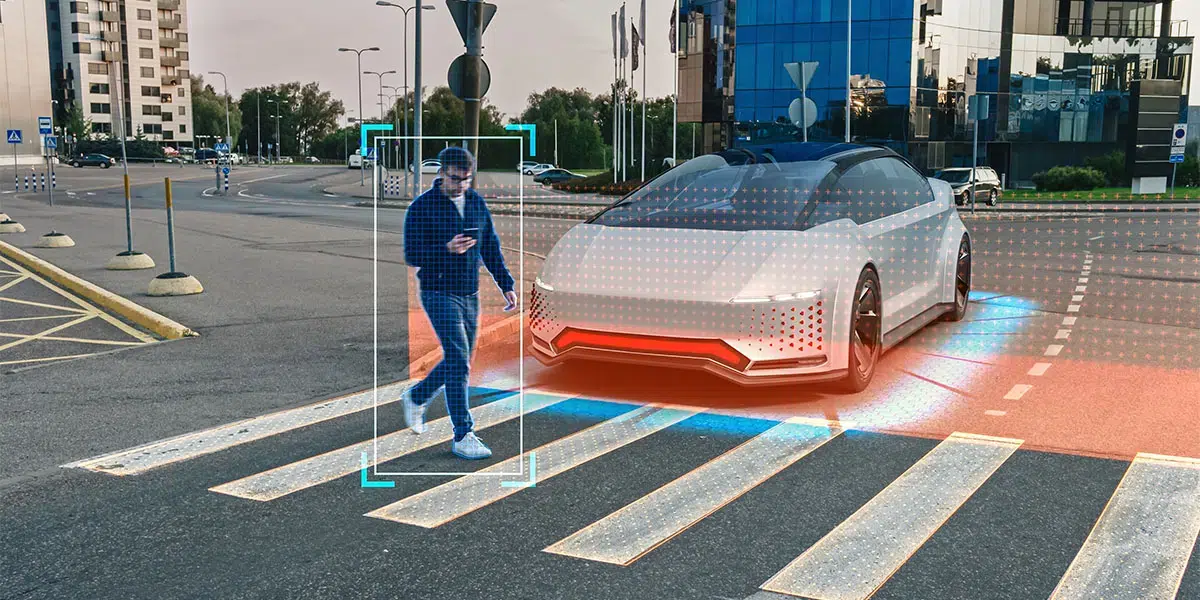
Like a human driver using eyes, brain, and limbs, a self-driving car relies on sensors and algorithms to navigate safely. Cameras excel at color and shape recognition, LiDAR accurately detects obstacle positions and ranges, and radar tracks distant metallic objects. Through sensor fusion, algorithms analyze this overlapping data to calculate precise obstacle information, forming a comprehensive map of the vehicle’s surrounding environment.

Dynamic Positioning Technology

Beyond environmental data, self-driving cars require precise location tracking. A collaborative positioning module processes GPS, IMU, vehicle dynamics, sensor features, and high-precision maps to determine the vehicle’s location and destination trajectory. Using this data alongside multi-sensor fusion inputs, the decision-making module performs real-time dynamic planning. Finally, the autonomous vehicle’s operational status and information are displayed on both the human-machine interface and the background management system.

High-precision Map Technology

High-precision maps are crucial for autonomous driving, offering greater geographic accuracy and highly detailed road, sign, lane, and obstacle data to enhance vehicle positioning and awareness. They are built by combining satellite mapping, ground vehicles, laser scanning, and image processing. To remain reliable, these maps must be updated in real-time to account for ongoing road changes, construction, and traffic incidents.

Decision Control Technology

Decision-making control technology drives intelligent autonomy. Using sensor and positioning data, AI techniques like deep, machine, and reinforcement learning enable real-time path planning, obstacle identification, and environmental behavior prediction. Self-driving cars must adaptively navigate dynamic environments with pedestrians and traffic signals while balancing safety and performance. They must ensure strict traffic compliance and emergency responsiveness, alongside efficient driving strategies that reduce transit time and energy consumption.

Human-computer Interaction Technology

To interact effectively with users, self-driving cars utilize human-computer technologies like voice commands, gesture and facial recognition, and touch interfaces for convenient operation. This technology also integrates cabin infotainment and passenger safety monitoring systems. Ultimately, autonomous vehicles must provide a rich array of entertainment and information services while strictly ensuring the overall safety, convenience, and comfort of passengers inside the vehicle.

Security and Privacy Technologies

Autonomous driving requires robust cybersecurity and privacy frameworks. Reliable security mechanisms must safeguard vehicle communications and control systems against hacking, malicious interference, or unauthorized tampering. Concurrently, strict privacy policies and technical measures are vital to protect passengers and pedestrians, ensuring the security and absolute confidentiality of the massive amounts of collected sensory data and personal location information.

Driving the Future of Autonomous Mobility

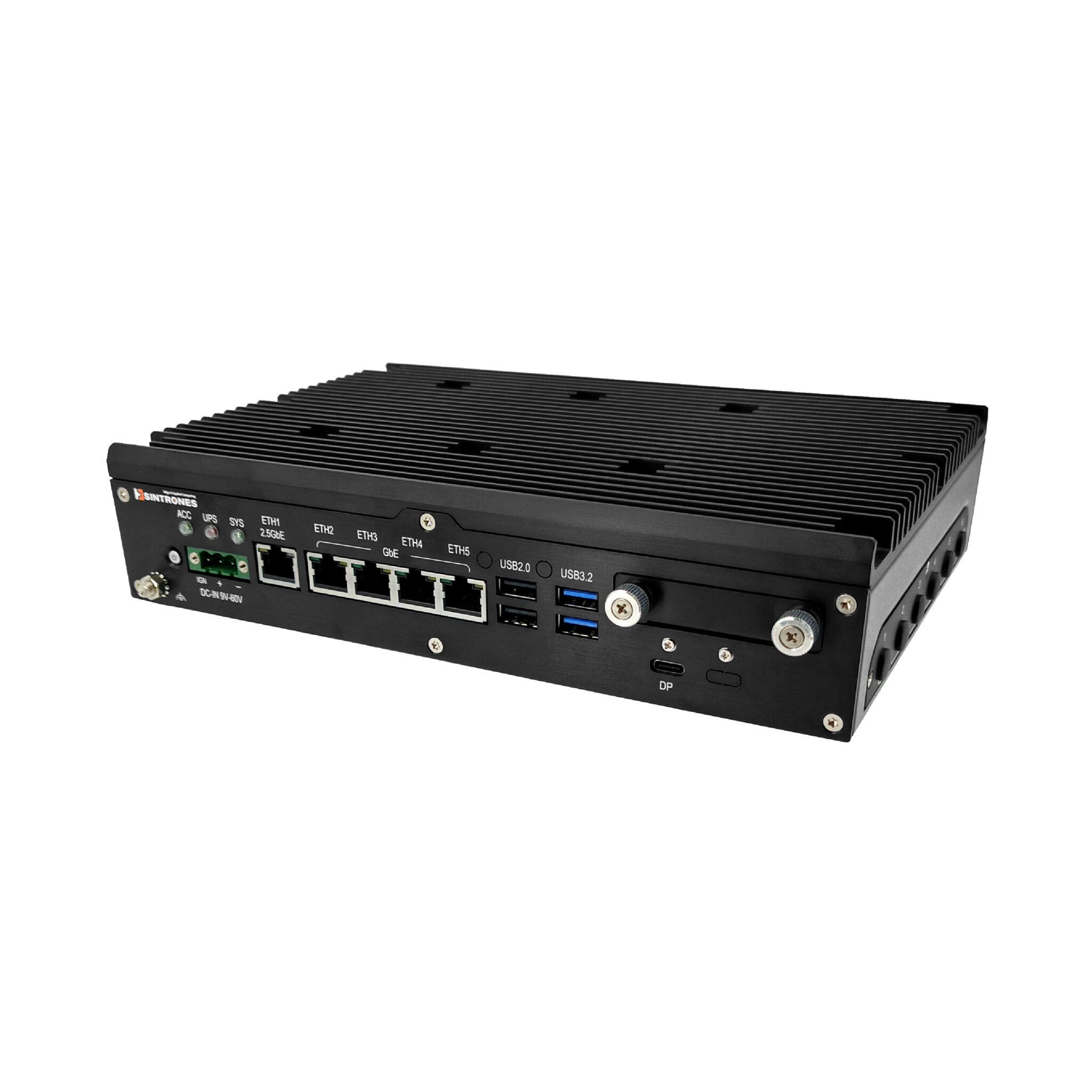
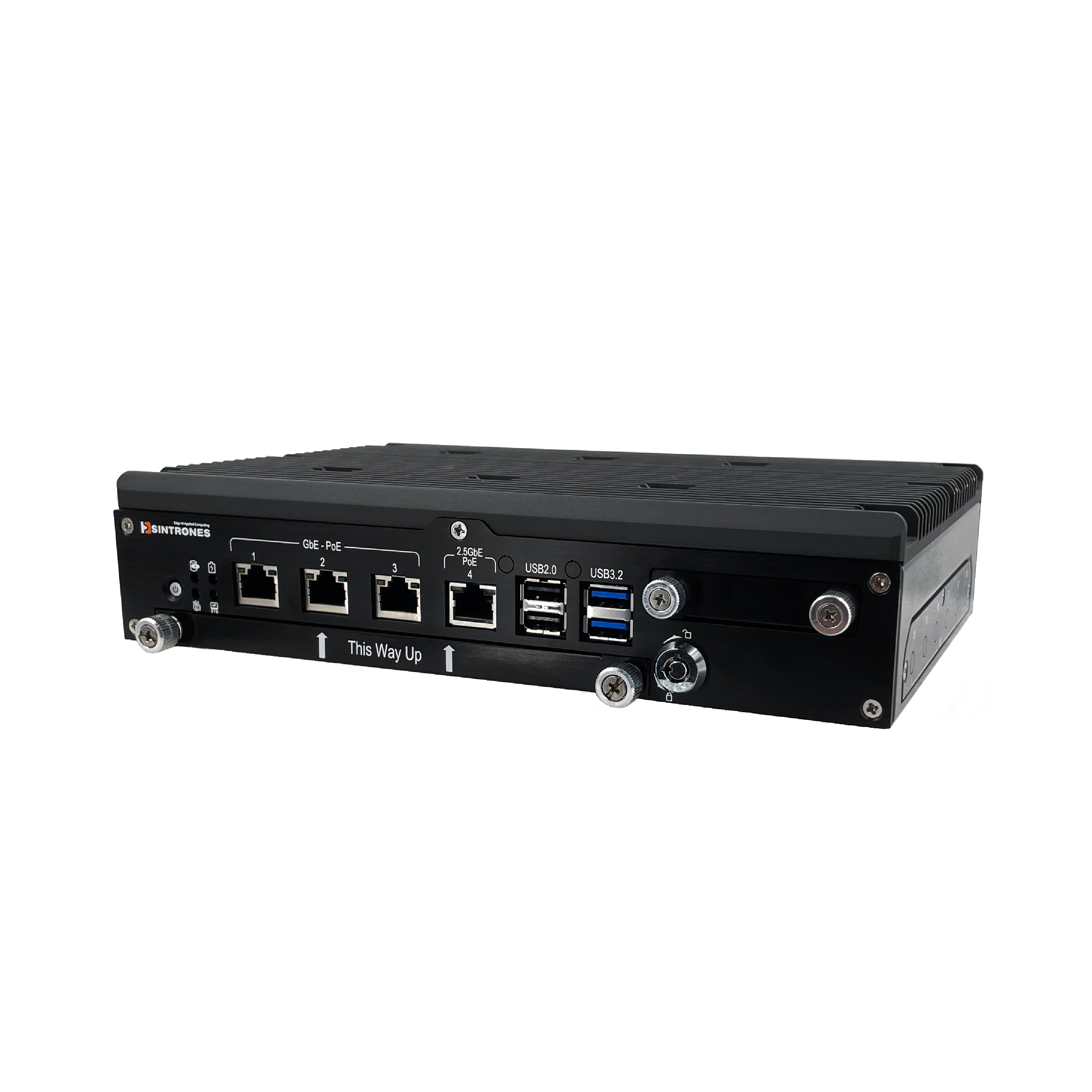
SINTRONES’ high-performance edge computing systems are purpose-built to empower autonomous driving and unmanned vehicle applications. Leveraging powerful Intel and NVIDIA processors, our platforms seamlessly execute advanced AI and machine learning algorithms for real-time sensor fusion and predictive decision-making. Engineered for maximum reliability in harsh environments, these systems feature a ruggedized, fanless design with wide-temperature/voltage support, anti-shock resistance, and advanced power noise protection. With integrated high-speed 5G/Wi-Fi connectivity, multi-protocol support (CANbus, RS232/485), and robust fail-safe security mechanisms, SINTRONES delivers the low-power, highly scalable core infrastructure needed to drive the next generation of safe, efficient, and intelligent smart transportation.

Autonomous Cars Related Products

New
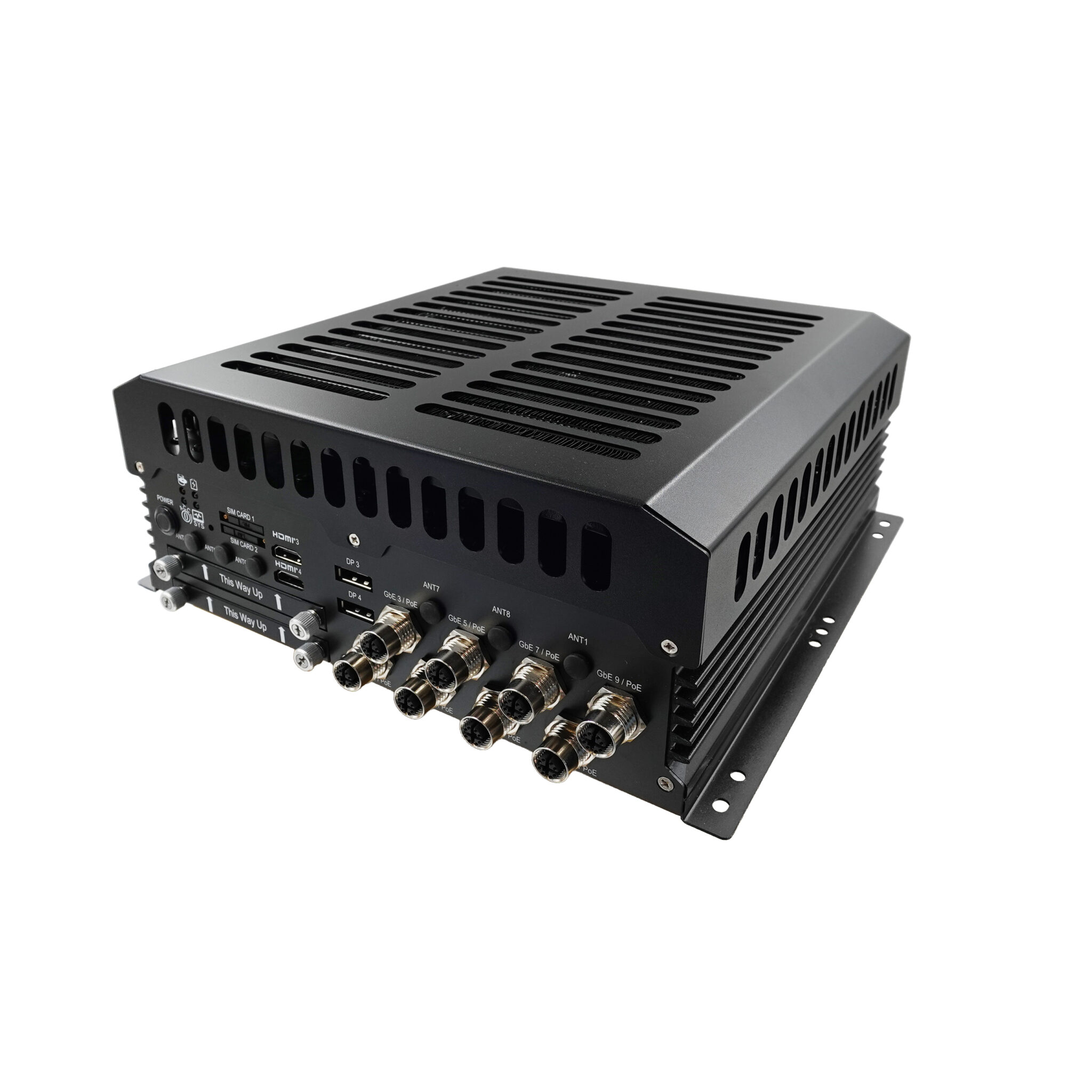
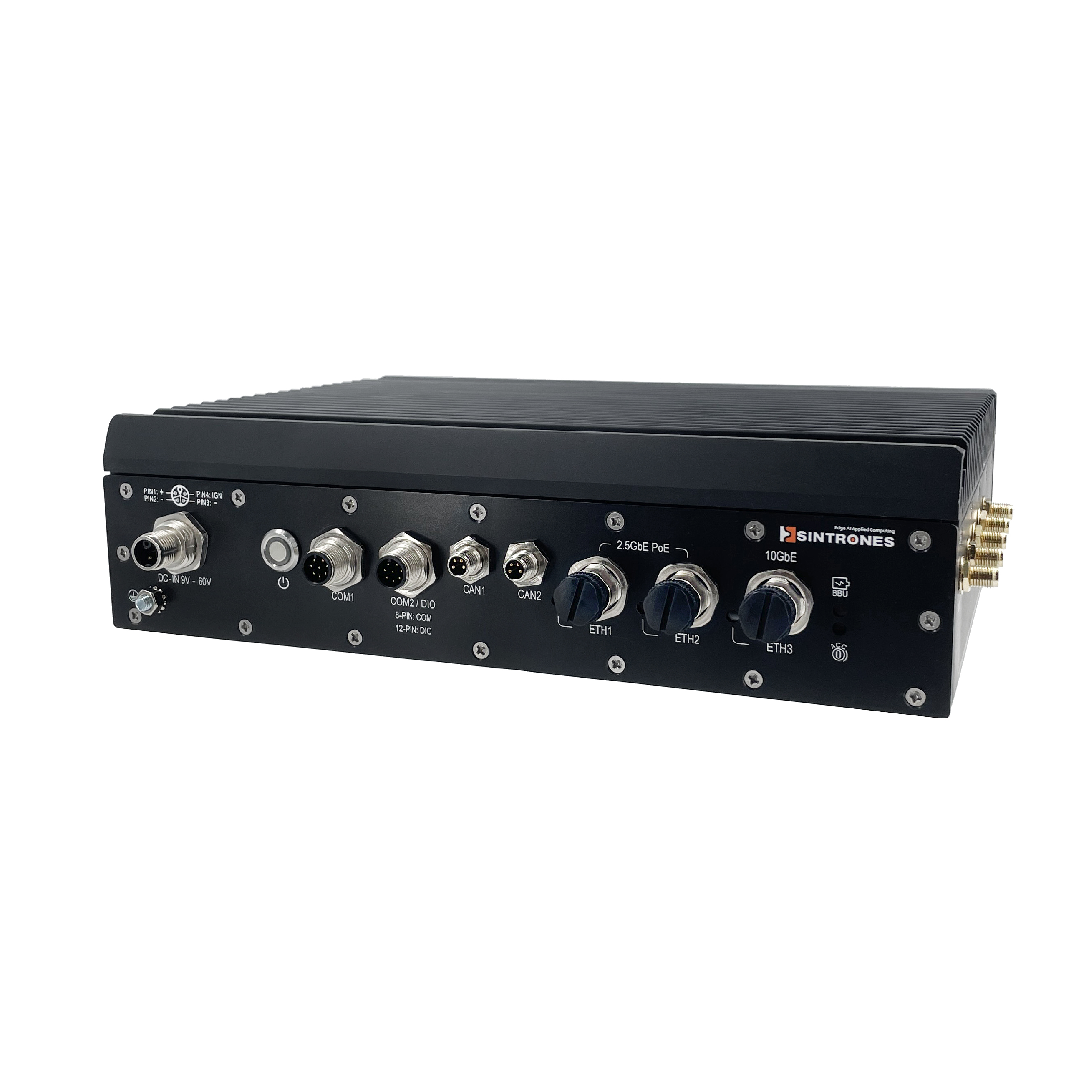
ABOX-5221(P)(G) details 1
ABOX-5221(P)(G)

Intel® Core™ Processors (14th Gen) with Discrete GPU Options and High-Bandwidth 10GbE Edge AI Computer

New
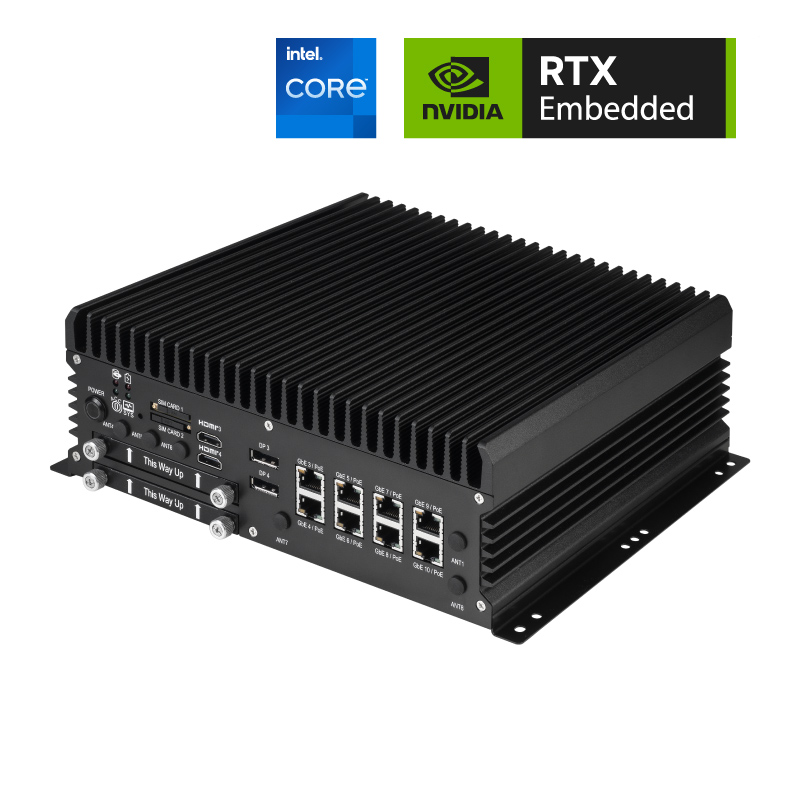
ABOX-5220 AI GPU Computer
ABOX-5220(P)(G)

AI GPU Computer features 14th Generation Intel® Core™ processors with discrete NVIDIA and Intel GPU options for Edge AI Solution

New
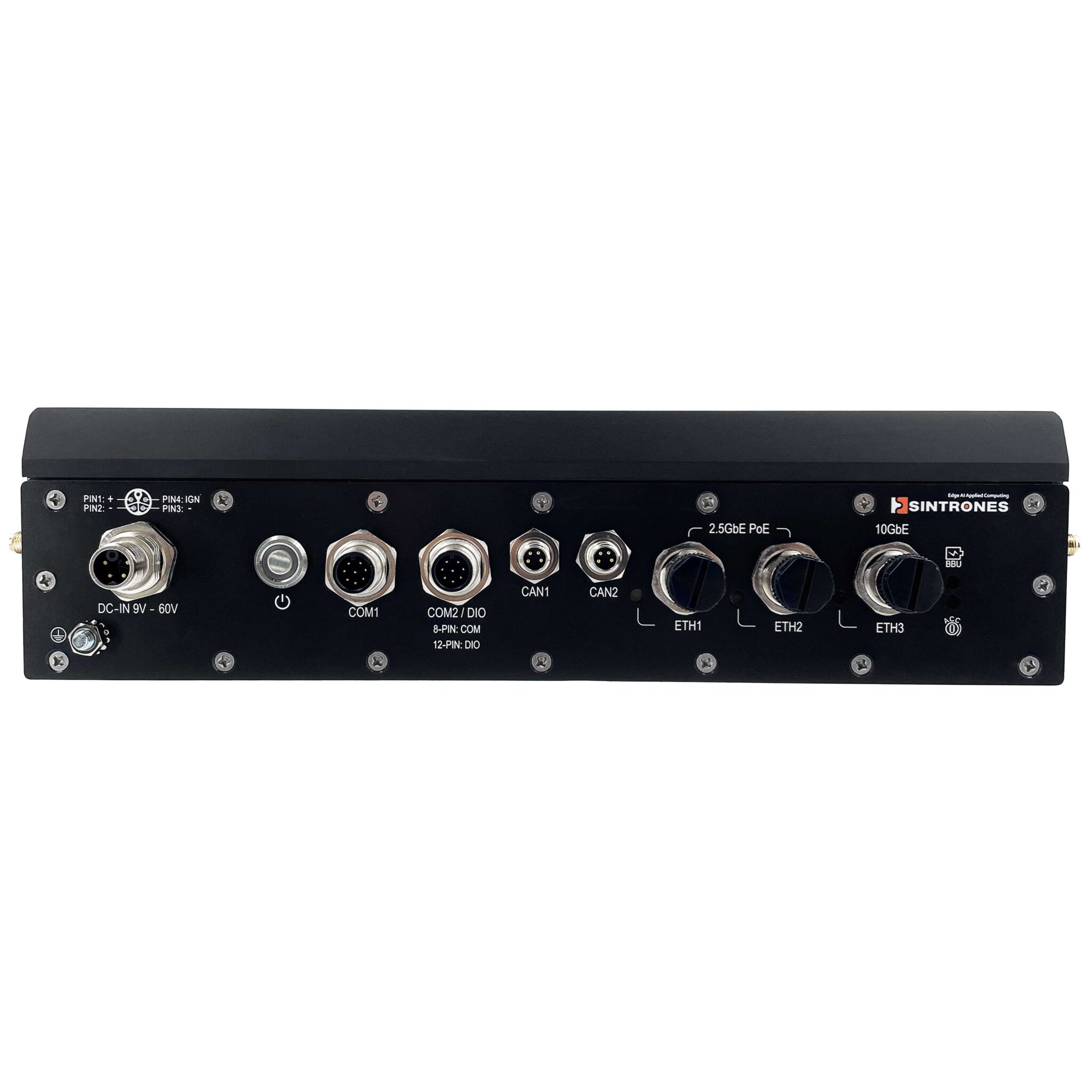
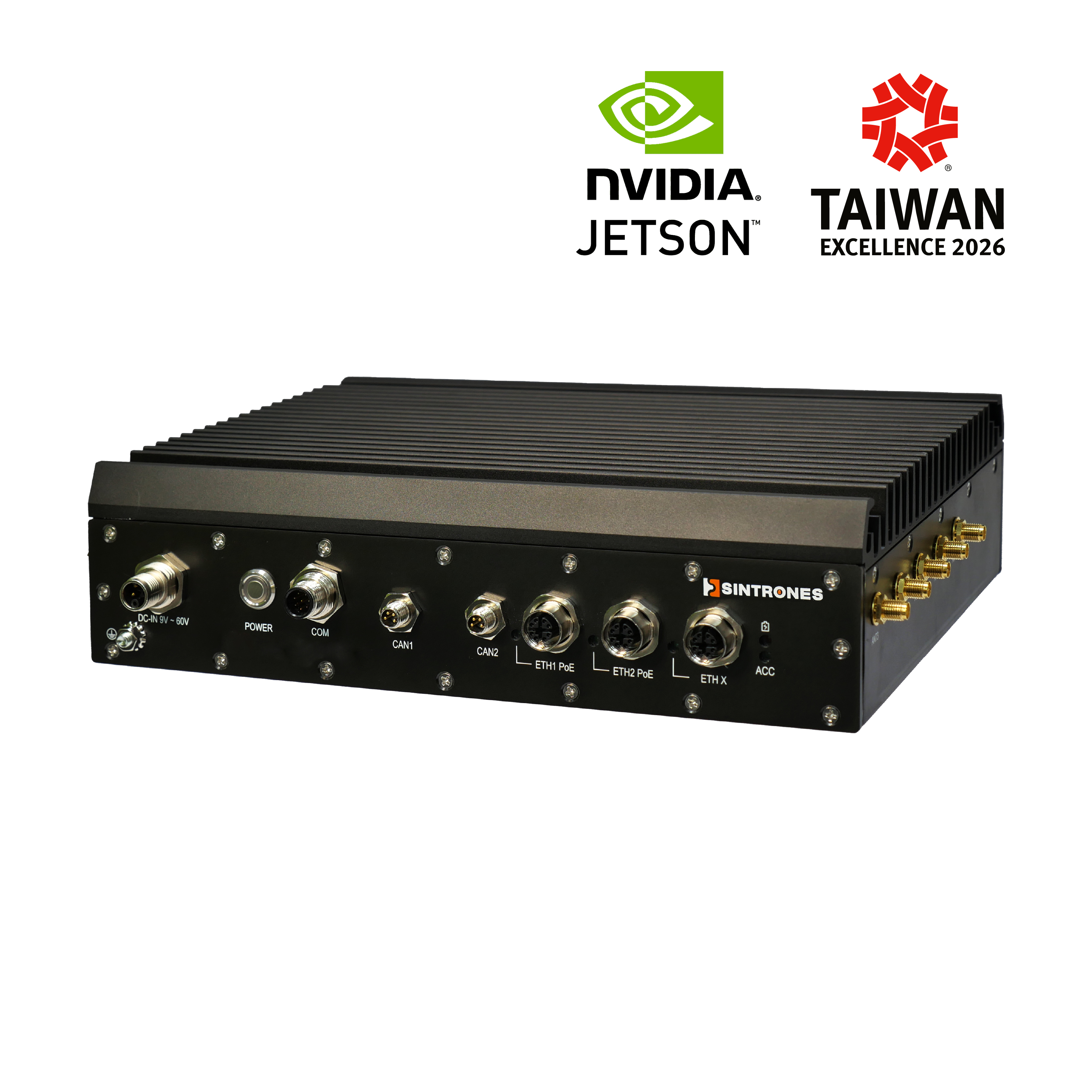
IBOX-650P-IP66 Edge AI Fanless Computer with Jetson AGX Orin
IBOX-650P-IP66

NVIDIA® Jetson AGX Orin™ Fanless Edge AI Computer

New
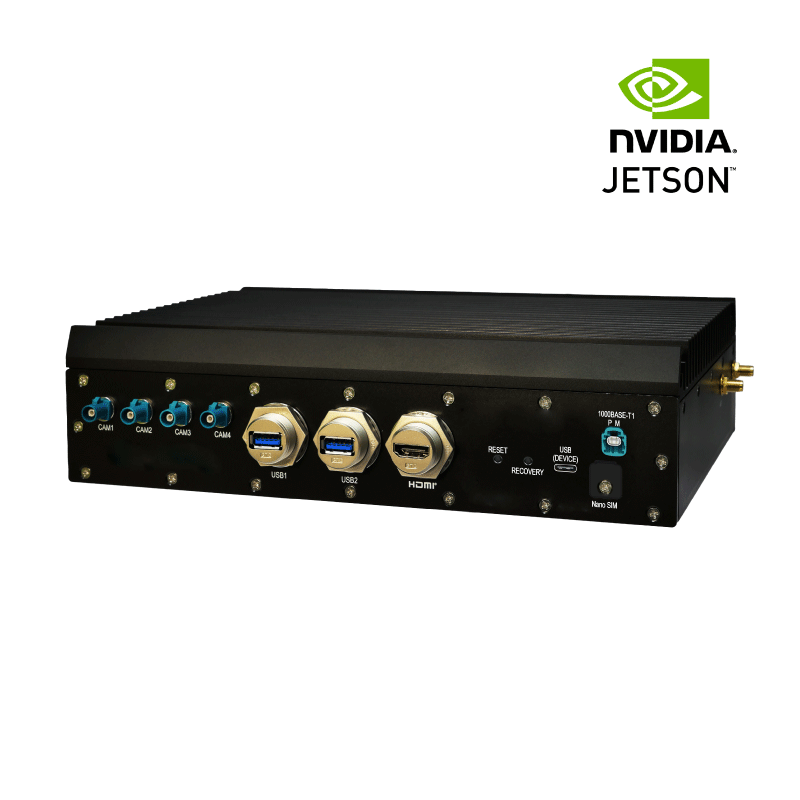
IBOX-650P-T1 Edge AI Embedded Computer
IBOX-650P-T1

NVIDIA® Jetson AGX Orin Edge AI Embedded Computer with T1 Automotive Ethernet

New
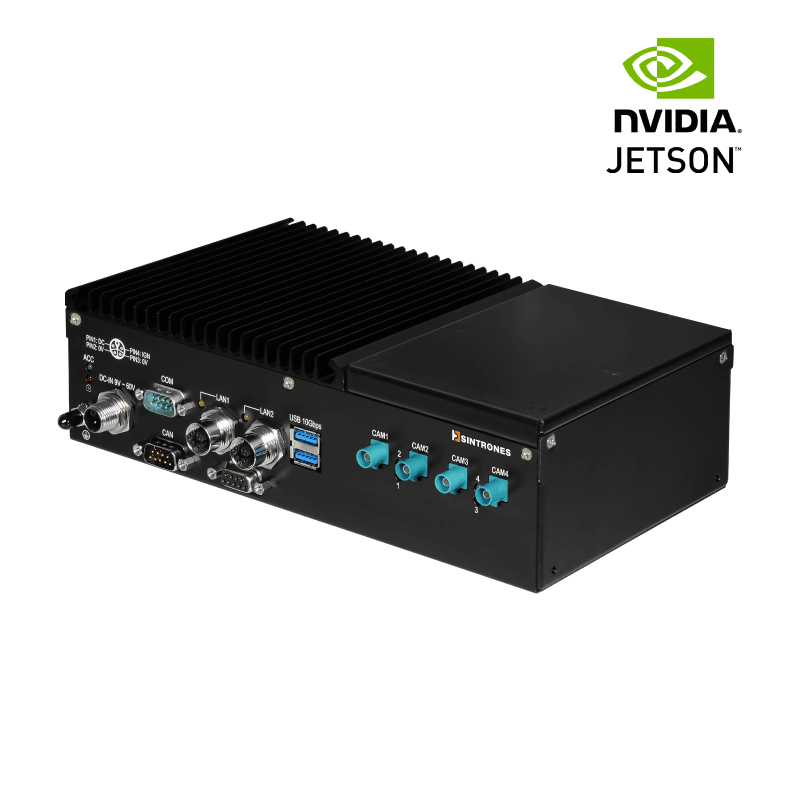
IBOX-601-G2 Edge AI Computer with NVIDIA Jetson Orin NX
IBOX-601-G2

NVIDIA® Jetson Orin NX Fanless Edge AI Computer

New
IBOX-601-M12X Edge AI Computer with NVIDIA Jetson Orin NX
IBOX-601-M12X

NVIDIA® Jetson Orin NX Fanless Edge AI Computer

Processing