Technical FAQ
Q1: How do I choose between the VBOX-3631 and VBOX-3631-M12X for mobile applications?
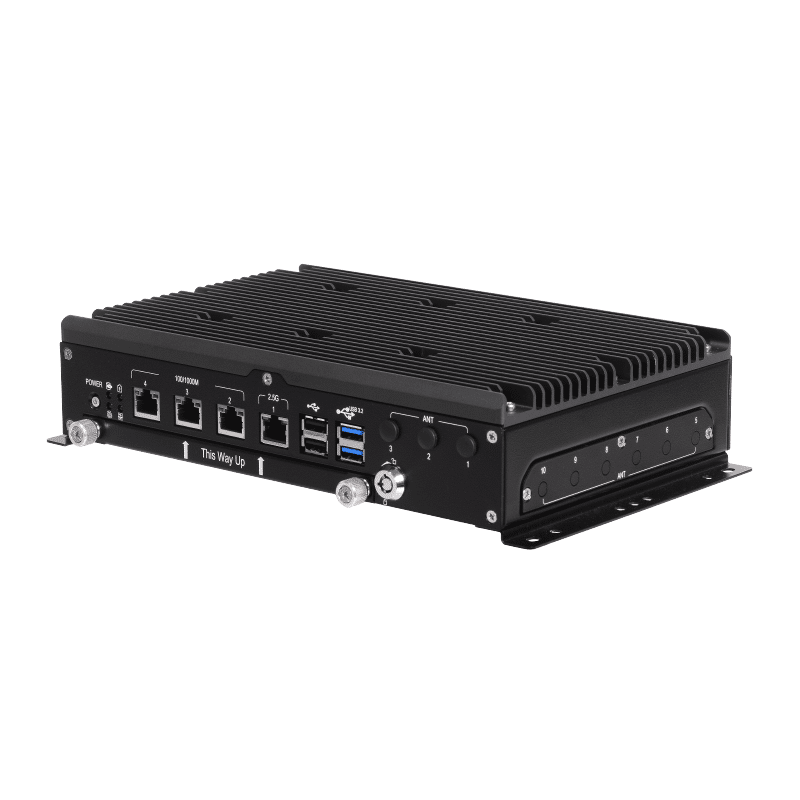
A: Choose the VBOX-3631 for installations where standard RJ-45 Ethernet connections are sufficient. The VBOX-3631-M12X is better suited to railway vehicles, heavy equipment, and other high-vibration mobile environments where secure, locking network connections are required. The M12X configuration provides M12 X-coded Ethernet connectivity while retaining the same Intel® Core™ Series 3 computing platform and Edge AI capabilities.
Q2: How do I choose between the Intel® Core™ 7, Core™ 5, and Core™ 3 configurations?
A: Processor selection should be based on workload complexity, multitasking requirements, and system power considerations. The Intel® Core™ 7 350 and Core™ 5 320 configurations provide 2 P-cores and 4 LP E-cores, making them better suited to heavier workloads such as real-time analytics, AI-assisted applications, and simultaneous vehicle services. The Core™ 3 304 configuration uses 1 P-core and 4 LP E-cores and is suitable for lighter edge workloads where computing requirements are more moderate.
Q3: Can the VBOX-3631 run Edge AI inference without a discrete GPU?
A: Yes. Intel® Core™ Series 3 processors integrate an NPU that provides dedicated acceleration for AI workloads, allowing compatible inference tasks to run locally without requiring a discrete GPU. This makes the VBOX-3631 suitable for applications such as object detection, operational monitoring, predictive maintenance, and other real-time edge analytics where low latency and reduced cloud dependency are important. Actual AI performance depends on the model, framework, precision, and workload.
Q4: How can the VBOX-3631 integrate with vehicle networks, sensors, and external devices?
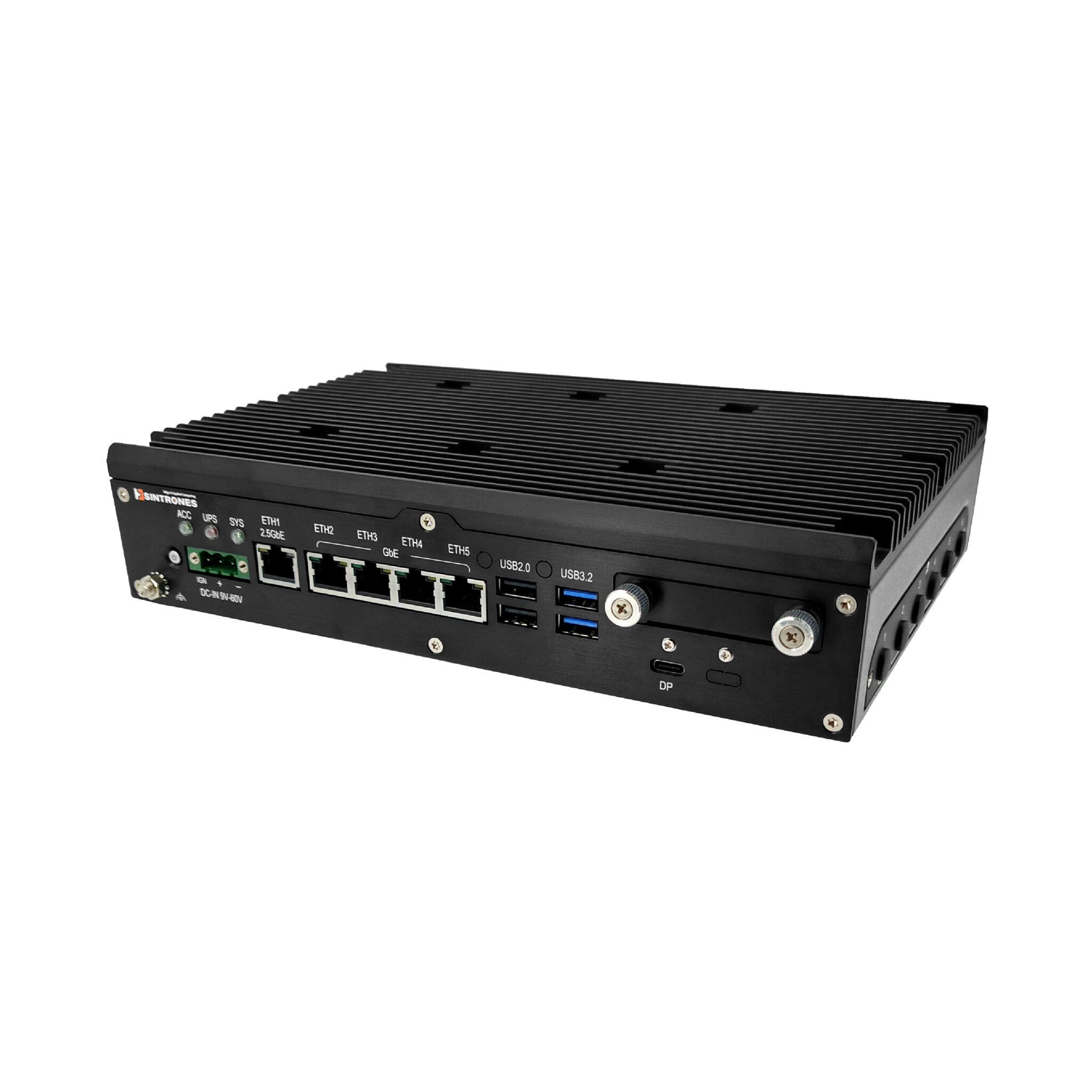
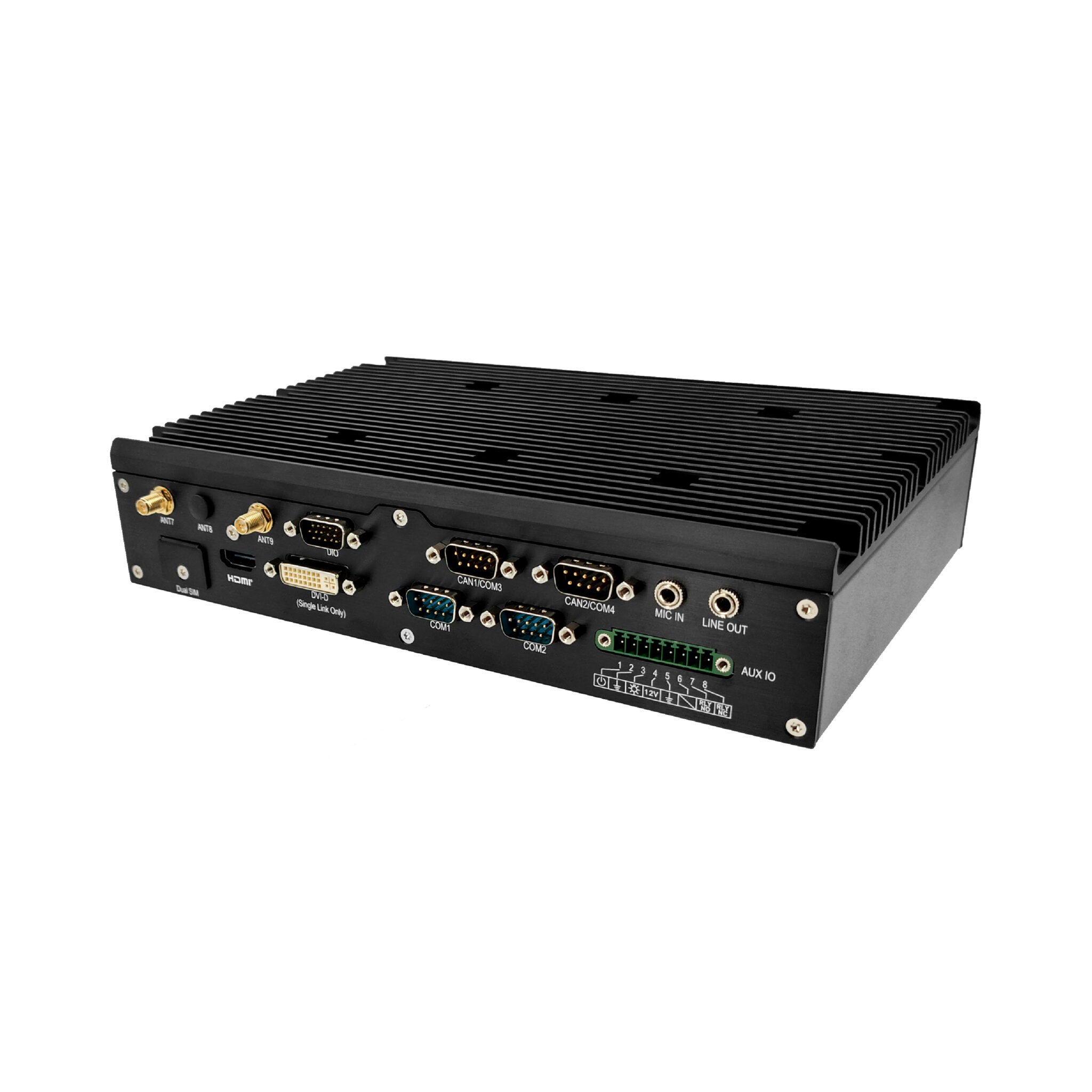
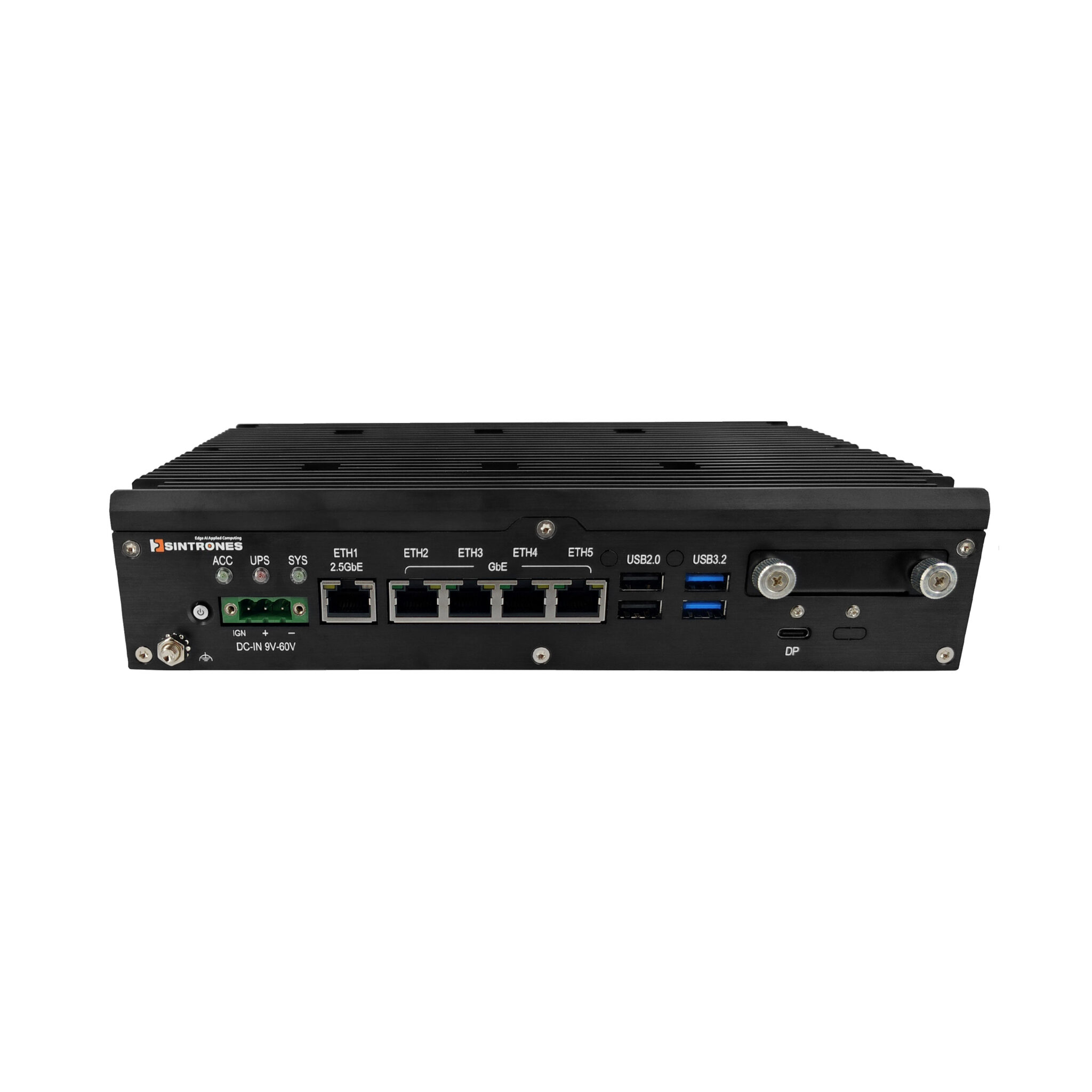
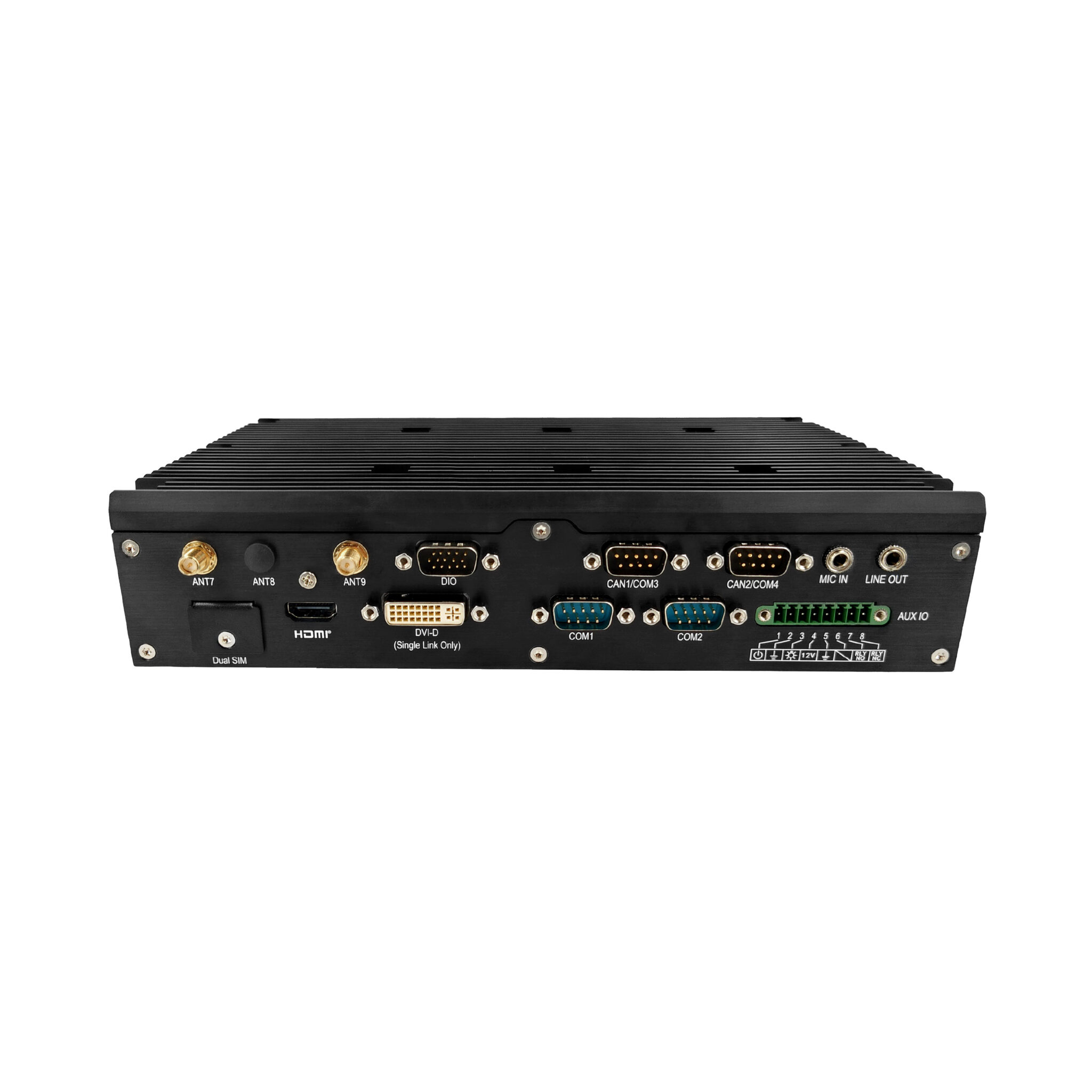
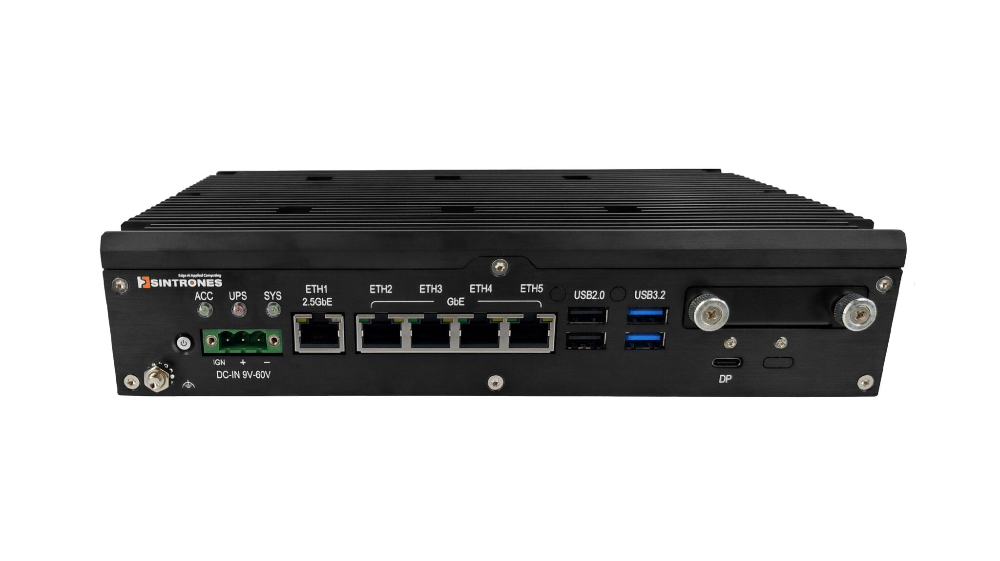
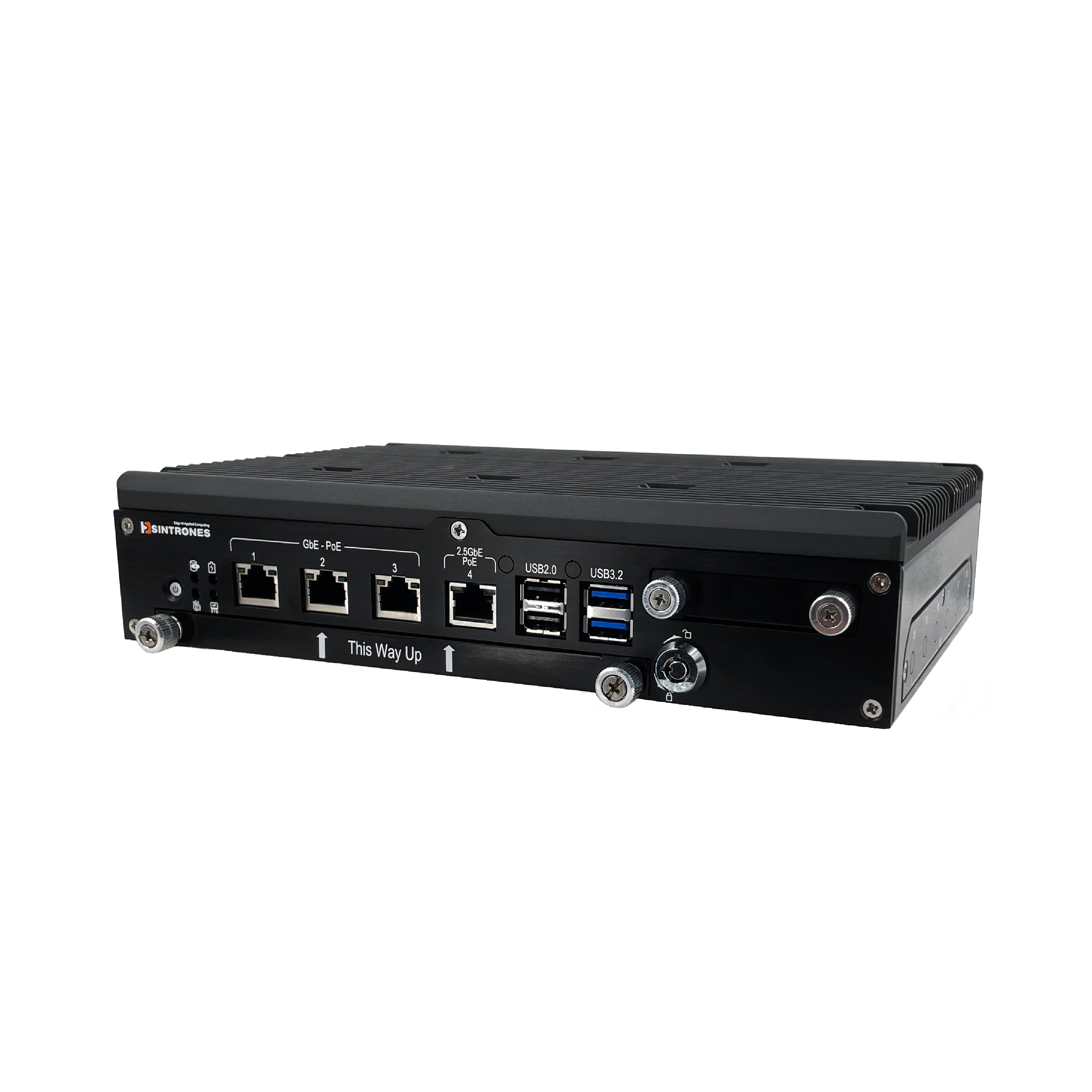
A: The VBOX-3631 provides 1 × 2.5GbE and up to 4 × GbE connectivity, 2 × CAN FD, configurable RS-232/422/485, digital I/O, USB, and multiple internal expansion interfaces. This allows system integrators to connect vehicle networks, sensors, controllers, displays, and communication devices within a single computing platform. M.2 and Mini PCIe expansion also support configurations such as WWAN, Wi-Fi/Bluetooth, GNSS, and additional CAN connectivity.
Q5: How does the VBOX-3631 handle unstable vehicle power and unexpected shutdowns?
A: The VBOX-3631 supports a 9–60V DC input for integration with 12V, 24V, and 48V vehicle power systems, along with ignition detection, smart power management, over-current, over-voltage, surge, and reverse-polarity protection. For applications requiring additional shutdown protection, an optional battery backup unit can provide up to 5 minutes of emergency power, depending on system power consumption, helping the system preserve critical data and perform a controlled shutdown during unexpected power loss.