SINTRONES Edge AI In-Vehicle Computing Platform

Rugged In-Vehicle Computers for Intelligent Transportation, Vehicle Connectivity, and Onboard Monitoring

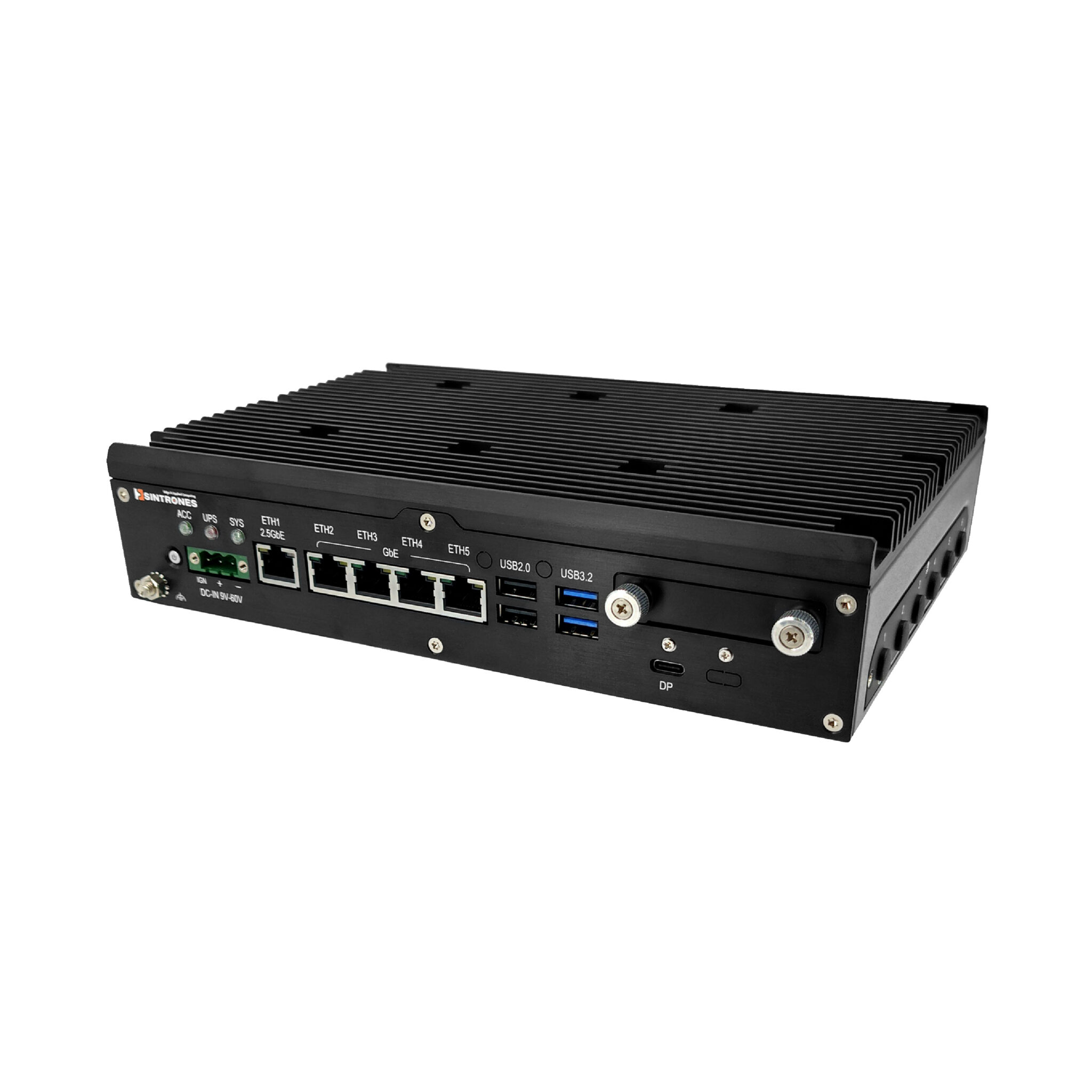
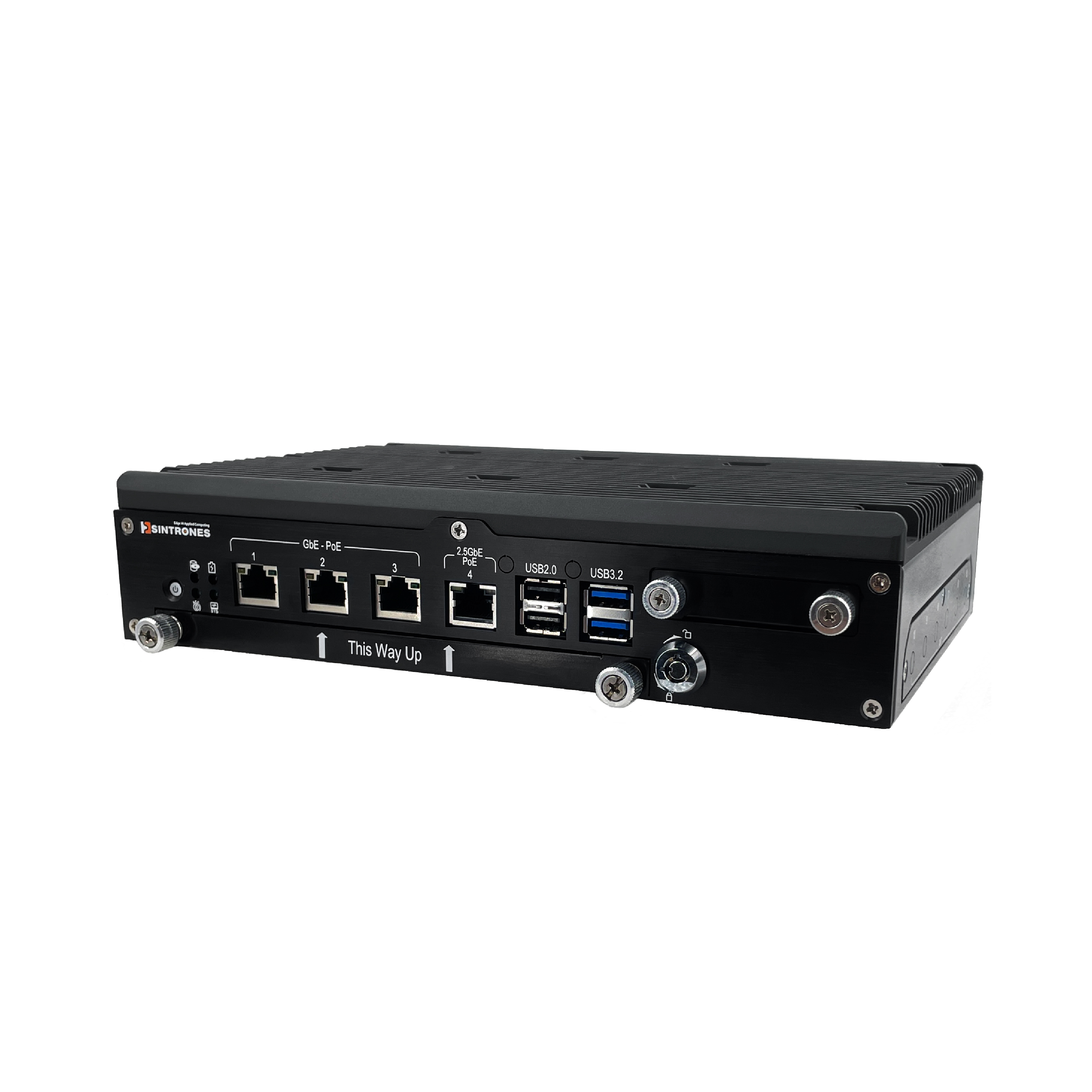
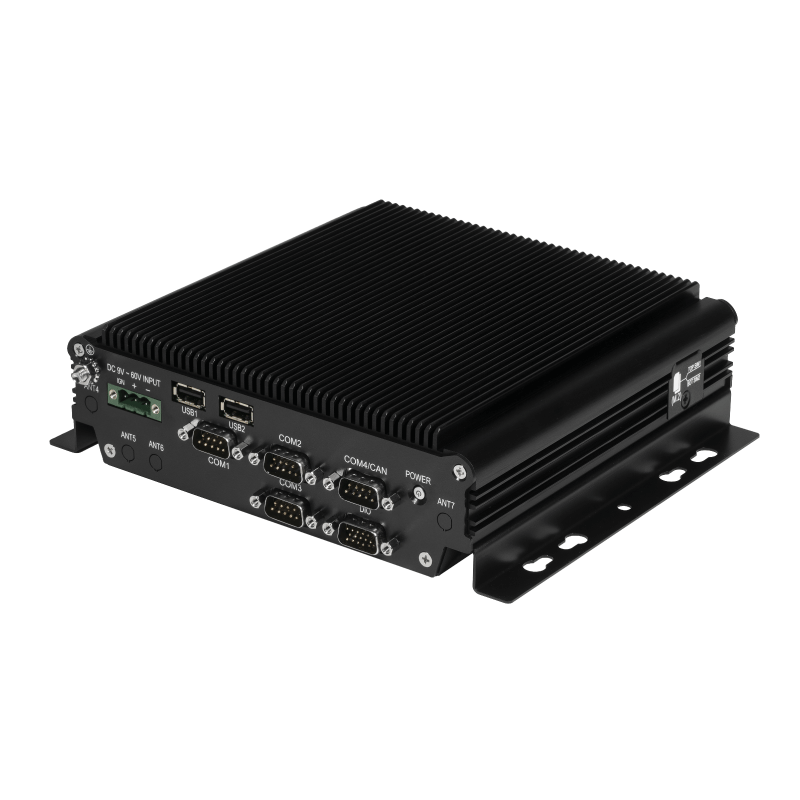
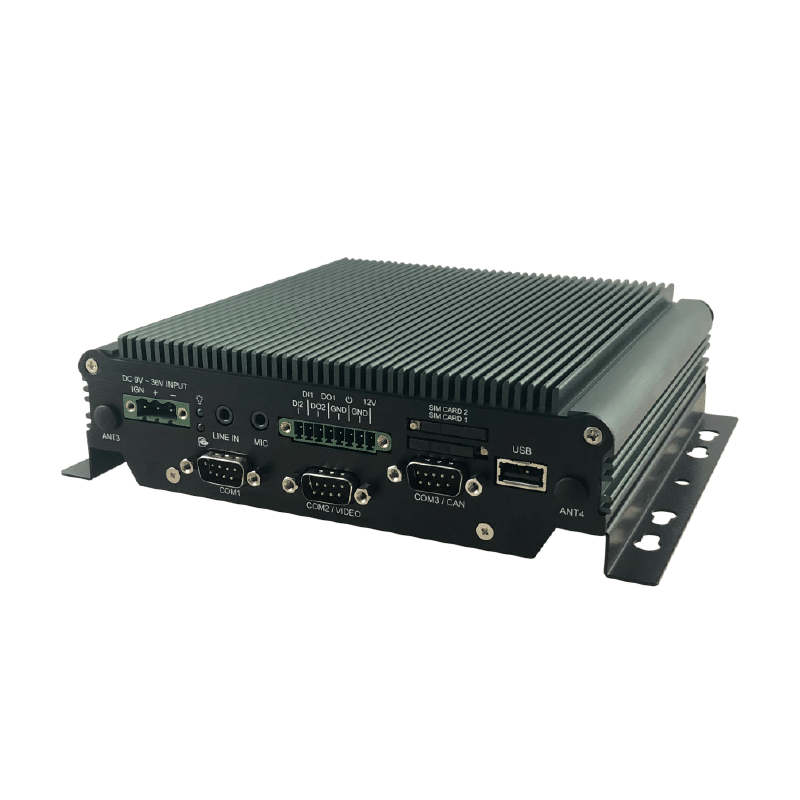
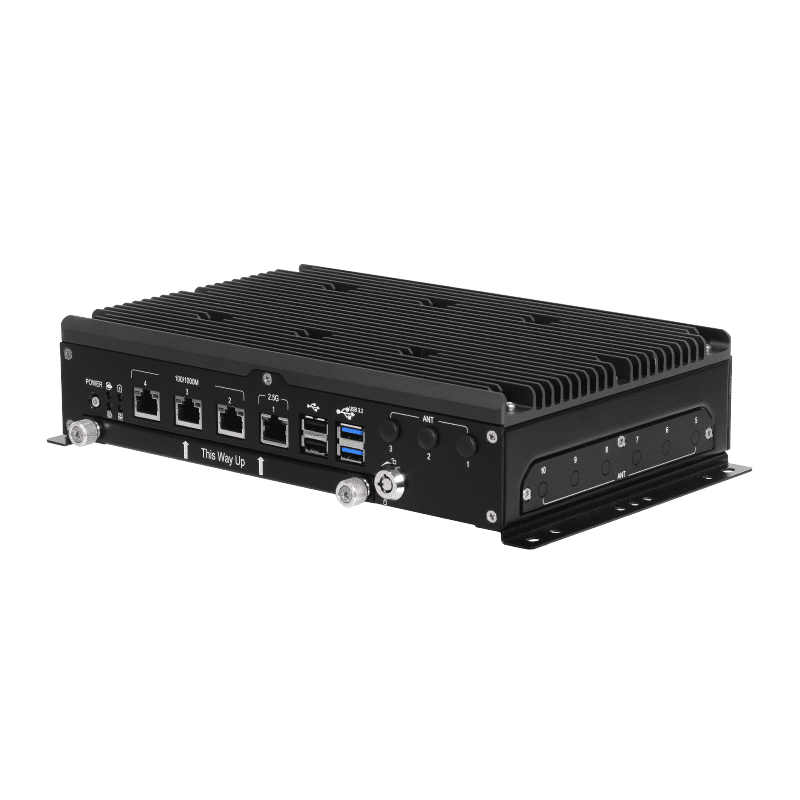
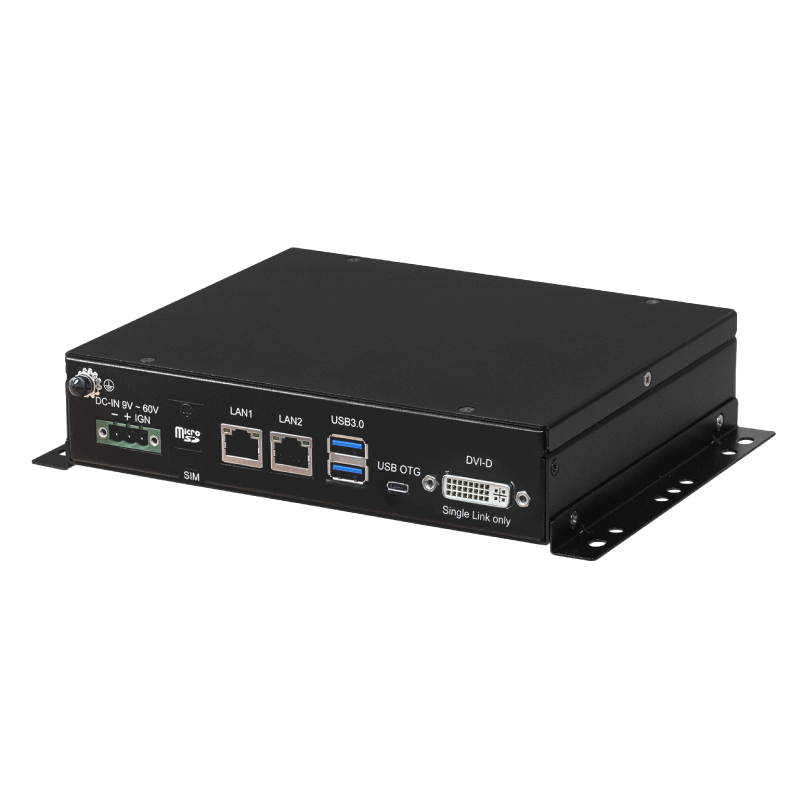
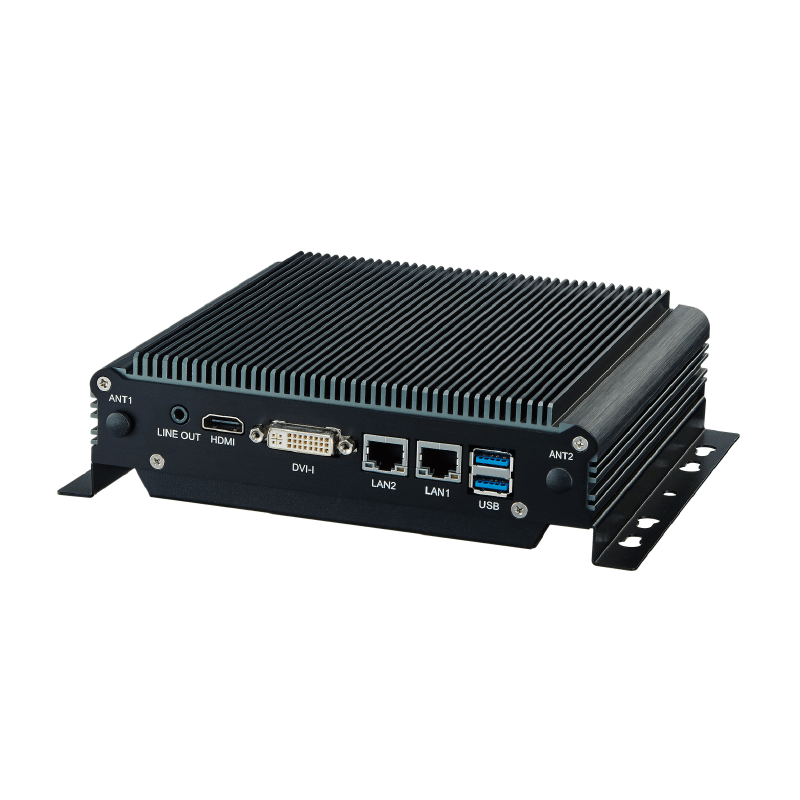
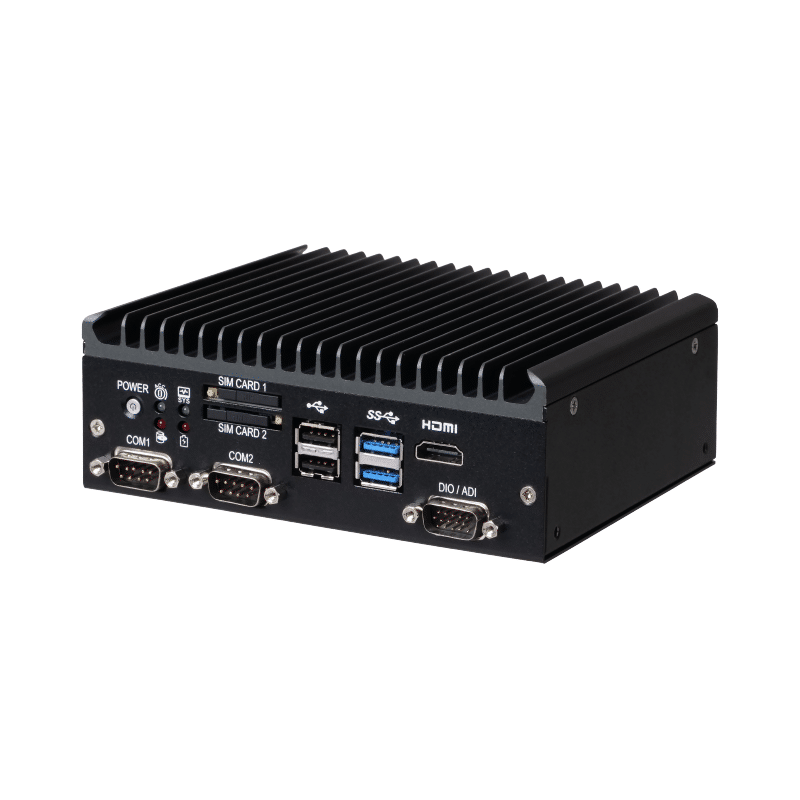
SINTRONES delivers rugged in-vehicle computing solutions designed for reliable operation in demanding transportation environments. Built to withstand shock, vibration, and extreme temperatures, these industrial-grade vehicle computers integrate wide-range DC power input, intelligent ignition control, CAN Bus communication, and flexible connectivity options to support stable onboard computing and seamless integration with vehicle systems.

Widely applied across commercial fleets, public transportation, railway systems, emergency vehicles, and heavy-duty vehicles, SINTRONES in-vehicle computers enable real-time vehicle data processing, GNSS positioning, onboard monitoring, and reliable communications. With scalable computing performance and versatile I/O expansion, these platforms provide a dependable hardware foundation for connected vehicles and evolving transportation technologies.  


Key Features of SINTRONES In-Vehicle Computers

Rugged Design

Vehicle Connectivity

Intelligent Power Management

Scalable Performance

Fanless construction, shock and vibration resistance, and wide-temperature operation support reliable computing in demanding vehicle environments.

CAN Bus communication, GNSS positioning, Ethernet, serial interfaces, and optional wireless connectivity support seamless integration with vehicle systems, sensors, and onboard devices.

Wide-range DC power input, intelligent ignition control, and power protection help maintain stable operation during vehicle startup, shutdown, and voltage fluctuations.

Flexible processor options and I/O expansion support vehicle data acquisition, fleet telematics, real-time monitoring, and diverse onboard computing workloads.

How to Choose the Right In-Vehicle Computer

01

Processing Performance

02

Interface Requirements

03

Power Management

04

Ruggedness & Certification

05

Installation Requirements

Select a processor platform based on onboard workloads and performance needs.

e.g., Intel, AMD, NXP

Identify connections for vehicle systems, sensors, and onboard devices.

e.g., CAN Bus, GNSS, Ethernet, 4G/5G

Match power specifications to vehicle electrical systems and operating conditions.

e.g., DC input, ignition control

Check environmental resistance and applicable compliance requirements.

e.g., E-Mark, EN 50155, MIL-STD-810H, IP66

Evaluate mounting space, enclosure dimensions, and connector accessibility.

e.g., Compact design, M12 connectors

In-Vehicle Computing Applications

Fleet Telematics and Vehicle Tracking

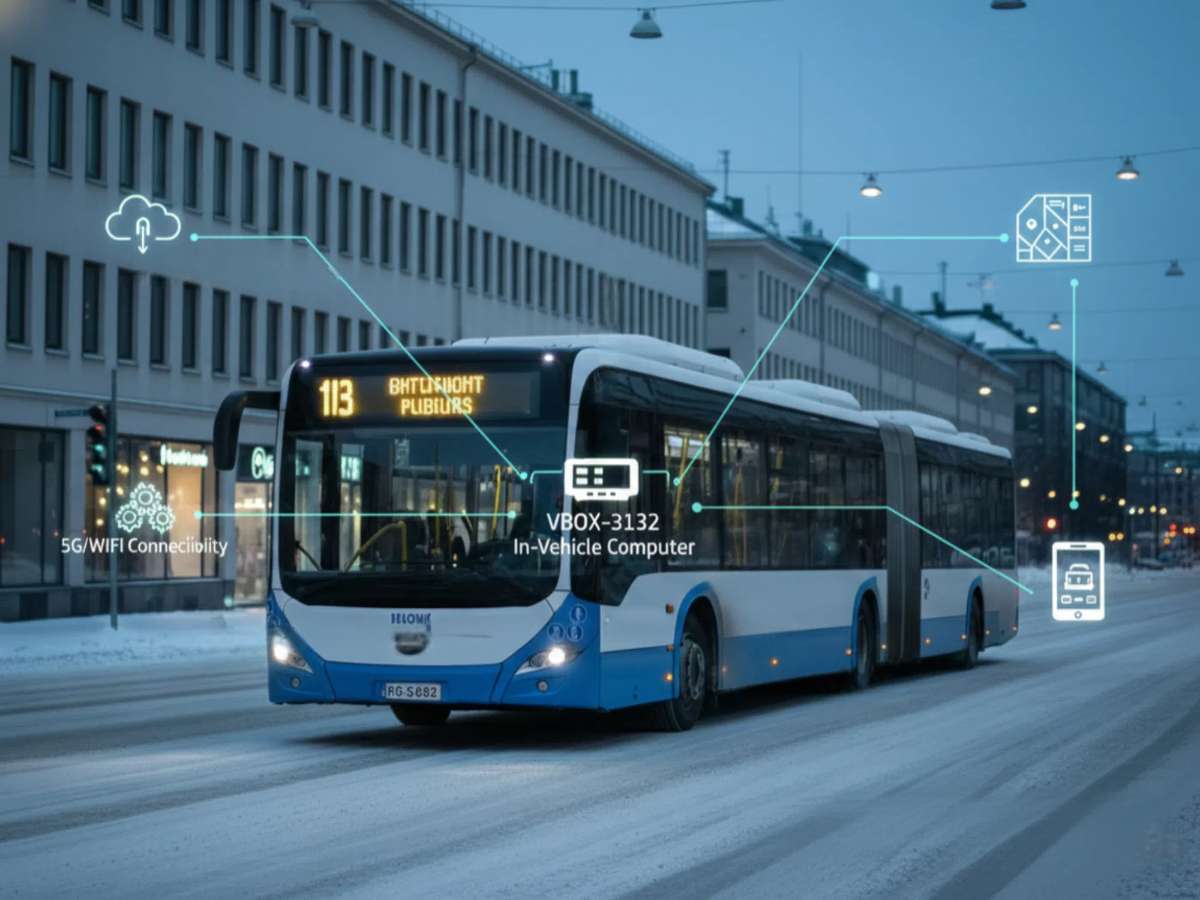
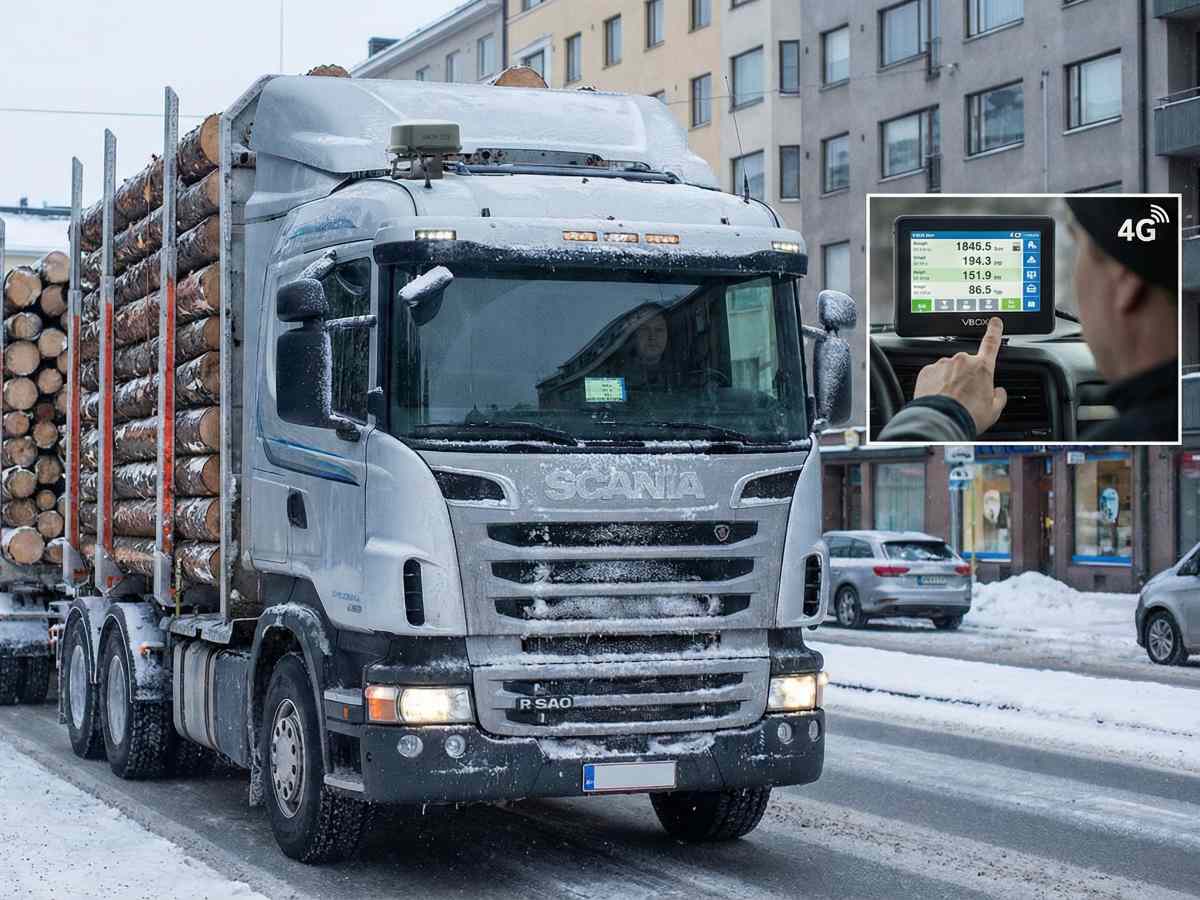
Fleet telematics systems collect vehicle location, operating status, and onboard data to support fleet management and operational visibility. Reliable GNSS positioning, CAN Bus communication, and wireless connectivity are important for transmitting vehicle information to central management platforms. Onboard computing hardware integrates these interfaces with local data processing, supporting telematics software and connected fleet applications across commercial trucks, buses, and specialized vehicles. Wide-range power input and ignition control help maintain stable operation under changing vehicle power conditions.

Fleet telematics and vehicle tracking system displaying GPS location and fleet management data
Onboard video surveillance cameras monitoring passenger areas inside a public transit bus

Onboard Video Surveillance

Vehicle surveillance systems use onboard cameras to capture footage from passenger areas, driver cabins, and surrounding roads. Depending on system requirements, multiple video streams may be recorded, transmitted, or processed locally by compatible monitoring software. Computing performance, camera interfaces, and storage expansion are important considerations when integrating surveillance equipment. Fanless construction, shock and vibration resistance, and vehicle power management help support dependable hardware operation in buses, commercial fleets, and other moving vehicles.

Vehicle Diagnostics and Data Acquisition

Vehicle diagnostics and data acquisition applications collect information from electronic control units, sensors, and onboard equipment. CAN Bus and serial interfaces provide connections for retrieving operating parameters, fault information, and equipment status. Local computing resources can process and organize this data for integration with third-party diagnostic software and monitoring platforms. These capabilities support vehicle condition monitoring, maintenance planning, and equipment management in commercial transportation and heavy-duty machinery.

Vehicle diagnostics and data acquisition with onboard sensor data and vehicle monitoring displays

Real-World Success Stories

In-Vehicle Rugged Computer Related Products

New
VBOX-3631-(M12X)

Intel® Core™ Processors Series 3 Edge AI Computer

New
VBOX-3650P-M12X Intel® Core™ Ultra Series 3 Edge AI Computer
VBOX-3650(P)-(M12X)

Intel® Core™ Ultra Series 3 Edge AI Computer

New
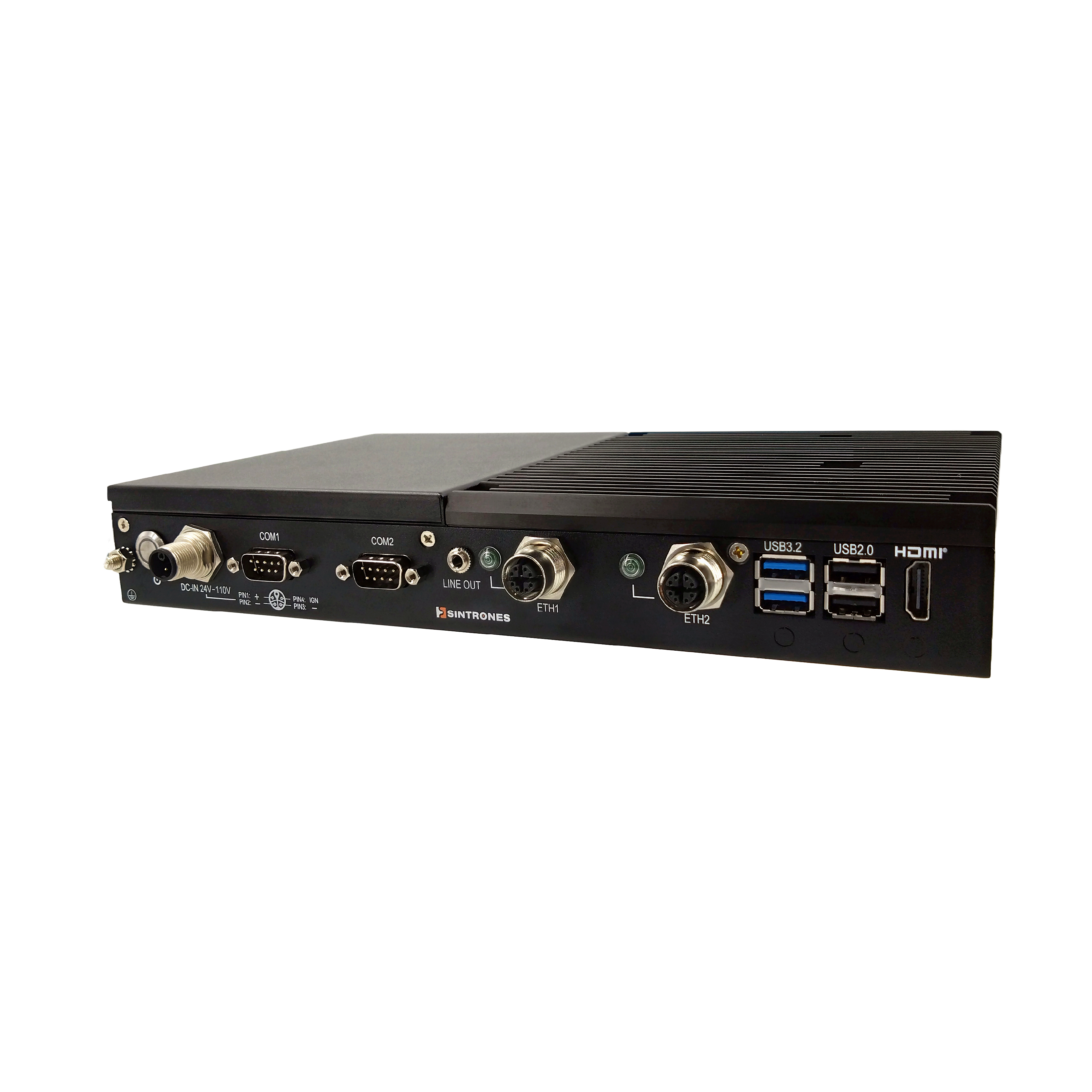
RBOX-1001-M12X Railway Computer
RBOX-1001-M12X Series

Intel Atom® x7835RE with 24-110VDC Galvanic Isolation Power Input Railway Computer

New
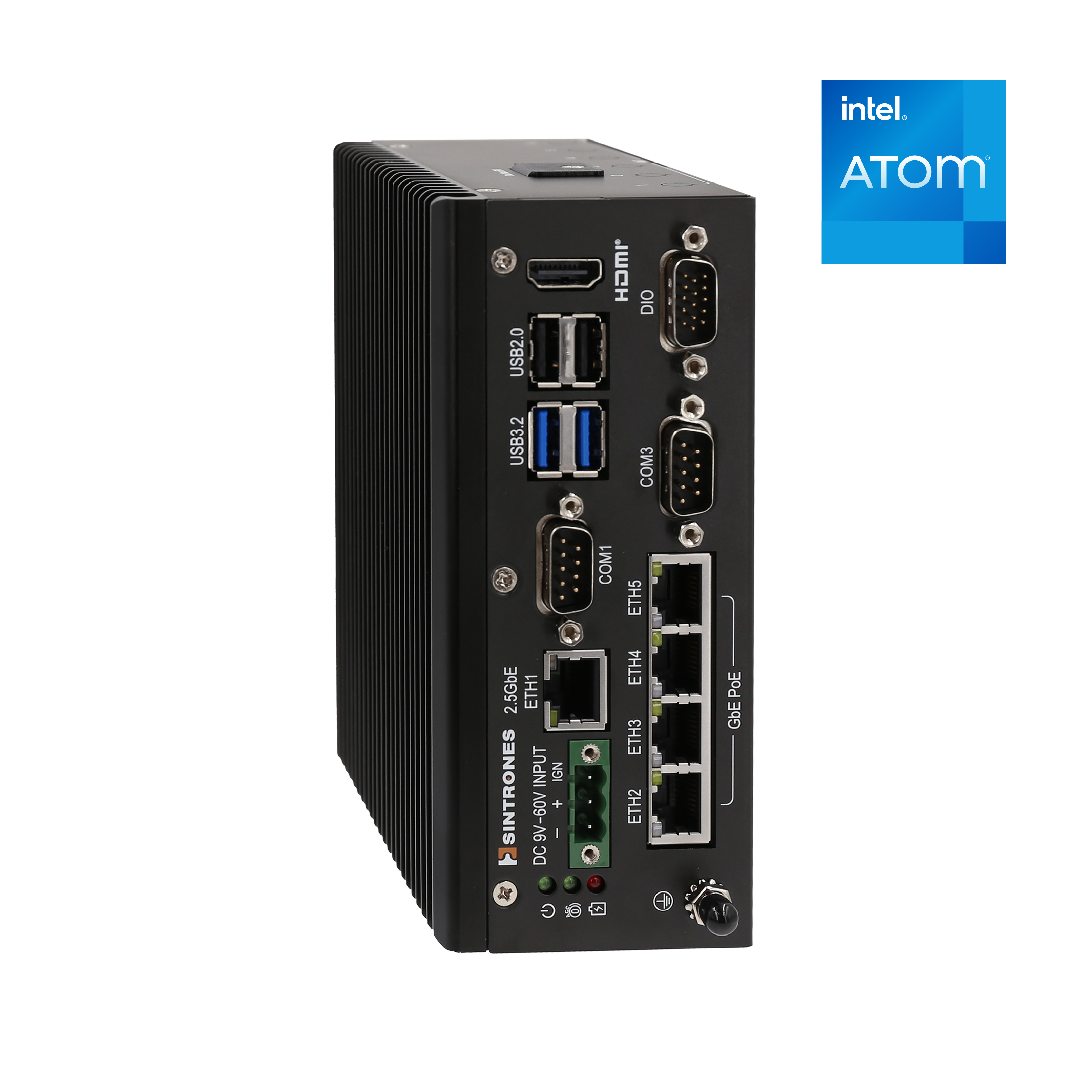
VBOX-3132 Series

Intel Atom® x7000RE DIN-rail PoE Fanless Rugged Edge Computer

VBOX-3123-R2312

AMD Ryzen™ Embedded R2312 w/ 1x DVI-D / 2x HDMI® / 2x GbE / 4x COM / DC 9~60V In-Vehicle Computer

VBOX-3122

Intel® 11th Gen Core™ 1185G7E CPU 2x LAN/ 2x HDMI®/ 1x DVI/ 2x COM/ DC 9-60V Input In-Vehicle Computer

VBOX-3630(P)

Intel® 11th Gen Core™ i7-1185G7E CPU with 4 x LAN On-Board In-Vehicle Computer

VBOX-3630R-M12X

Intel® 11th Gen Core™ i7-1185G7E CPU with 4 x LAN In-Vehicle Computer

IBOX-500

NXP® i.MX 8 QuadXPlus Automotive Grade SoC / On-board LPDDR4 4GB / On-board eMMC 5.1 32GB / 2 x GbE / 2 x RS-232/ 1 x DVI-D Single-Link / 2 x USB 3.2

VBOX-3130

Intel® Pentium® / Celeron® Processor In-Vehicle Computer with 9~36V DC Input

VBOX-3131-2S

Intel Celeron N3060 Braswell CPU In-Vehicle Computer with 9~60V DC Input In-Vehicle Computer

Processing