

In-Vehicle Computer System: The Architectural Backbone of Smart Mobility
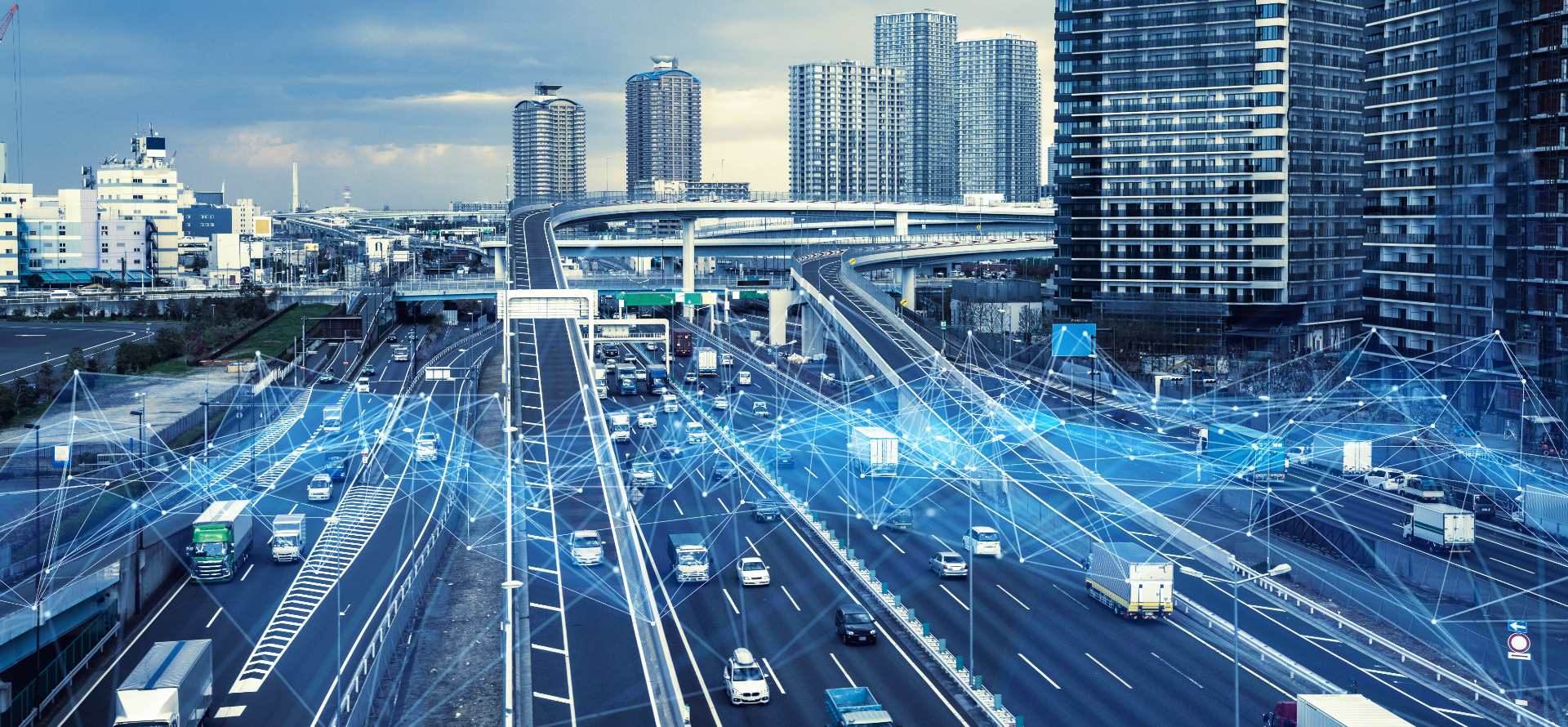
In the modern ecosystem of intelligent transportation, SINTRONES plays a pivotal role not just as a hardware supplier, but as a critical enabler of the “computational brain” required for Smart Mobility transformation. A professional In-Vehicle Computer System serves as the vital backbone connecting low-level mechanical systems with high-level AI algorithms. By fusing high-performance Edge AI with extreme industrial ruggedization, we empower autonomic vehicles, smart railways, and global logistics fleets with a stable and efficient architectural foundation.
Scenario 1: The Decision Engine for Autonomous Buses and Self Driving Systems
For autonomous shuttles and autonomic vehicles, reaction speed is synonymous with safety, making the SINTRONES In-vehicle Computer System an indispensable onboard decision engine that processes environmental perception data with millisecond latency. By leveraging massive AI TOPS and high-speed GMSL2 camera interfaces, the system achieves superior Sensor Fusion by integrating LiDAR and Radar data in real-time for comprehensive situational awareness. This intelligence is further enhanced through V2X (Vehicle-to-Everything) communication technology, which allows vehicles to synchronize with smart roadside infrastructure, ensuring a more precise and fail-safe self driving system deployment even within the complexities of dense urban traffic.
Read the Case Study: How SINTRONES Edge AI Architectures Power Autonomous Airport Shuttles
Scenario 2: Empowering High-Performance Fleet Management Solutions
Professional fleet management solutions must transcend simple passive monitoring and shift toward proactive, data-driven management as SINTRONES elevates traditional transportation into the realm of intelligent logistics. Through natively integrated CAN Bus interfaces, the In-vehicle Computer System reads engine health data directly from the source, enabling high-level predictive maintenance and sophisticated fuel optimization. Furthermore, to ensure uninterrupted positioning when traditional GPS Fleet Tracking fails in tunnels or urban canyons, our integrated Dead Reckoning technology compensates for signal loss, guaranteeing that fleet operators maintain 100% real-time visibility regardless of the operational environment.
Project Update: Scaling Intelligence in Modern Bus Fleet Management Systems
Scenario 3: Mission-Critical Railway Safety and Monitoring
The rail environment is exceptionally harsh for electronics, demanding a specialized Railway Computer that can safeguard the continuous operation of smart rail infrastructure. At the core of SINTRONES’ design philosophy is strict adherence to EN 50155 standards, ensuring that hardware remains stable amidst the intense vibrations, mechanical shocks, and electromagnetic interference unique to rolling stock. By utilizing Edge AI for localized visual analytics, the system can detect track obstacles and monitor passenger safety with high-speed precision without relying on unstable cloud connectivity, significantly increasing response speeds for critical railway surveillance and safety protocols.
Explore the Technology: Real-Time Obstacle Detection for Smart Tram Safety Systems
Engineering the Future of Global Mobility
As a premier provider of industrial computing, SINTRONES remains dedicated to bridging the gap between cutting-edge innovation and field-proven reliability. Our In-vehicle Computer System portfolio is engineered to withstand the most unforgiving environments while delivering the high-performance intelligence required for the next generation of Smart Mobility. By prioritizing rigorous certifications and scalable architecture, we ensure that our partners can deploy Edge AI and fleet management solutions with absolute confidence, transforming the way the world moves.
Technical FAQ: Implementing Advanced Vehicle Computing Architectures
Q: Why is EN 50155 certification mandatory for a Railway Computer?
A: EN 50155 is a specialized international standard for electronic equipment used on rolling stock. It ensures that the In-vehicle Computer System can endure the severe mechanical stress and voltage fluctuations of train tracks, preventing hardware failure during 24/7 mission-critical tasks.
Q: How does Dead Reckoning optimize GPS Fleet Tracking in dense urban areas?
A: Dead Reckoning combines inertial sensors with vehicle speed data to calculate position when satellite signals are obstructed (e.g., in underground parking or high-rise districts). This is essential for maintaining operational continuity in professional Fleet Management Solutions.
Q: Can the system simultaneously handle Sensor Fusion and V2X communication?
A: Yes. Equipped with multi-core processors and high AI TOPS throughput, SINTRONES systems can concurrently process multiple GMSL2 video feeds for Sensor Fusion while managing V2X data packets, meeting the rigorous low-latency demands of next-generation self driving system architectures.