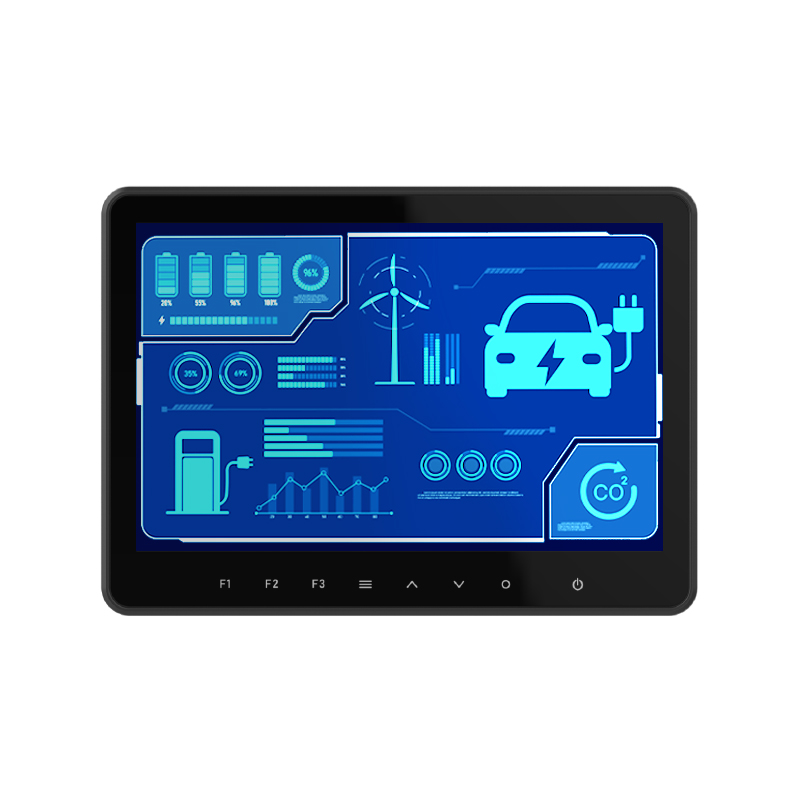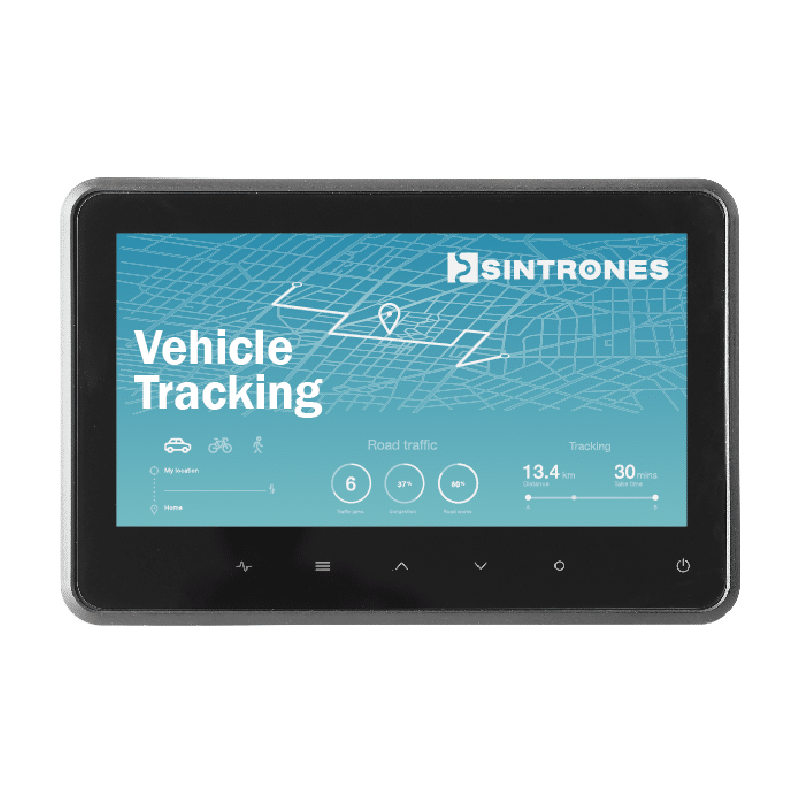
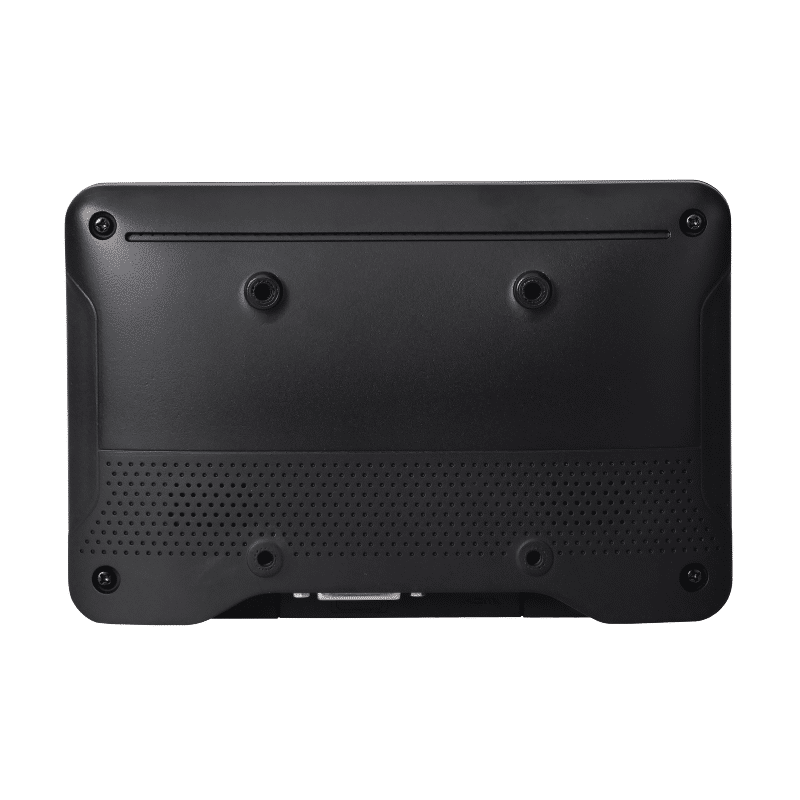
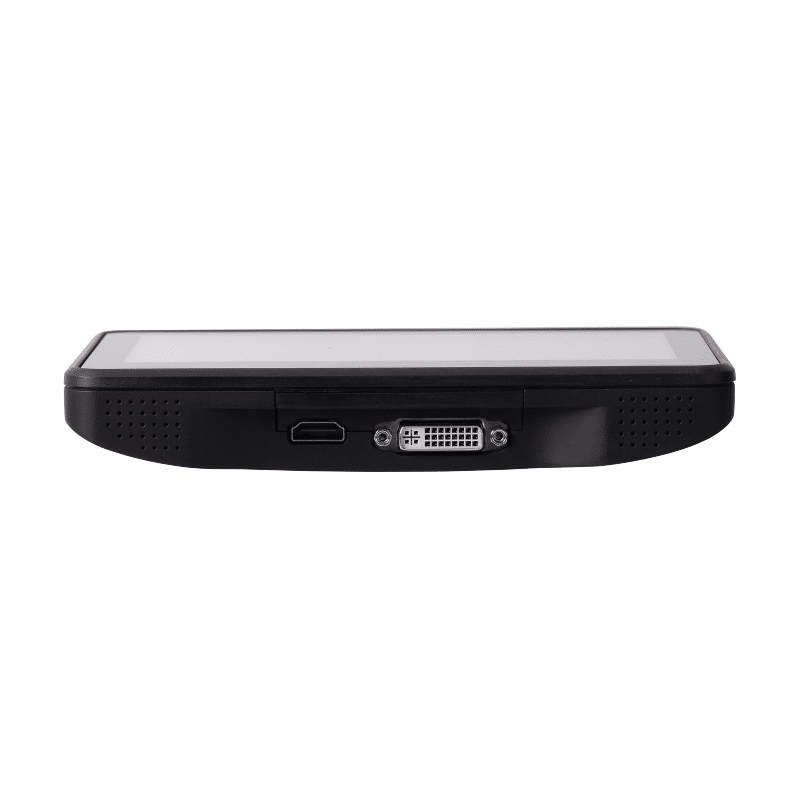
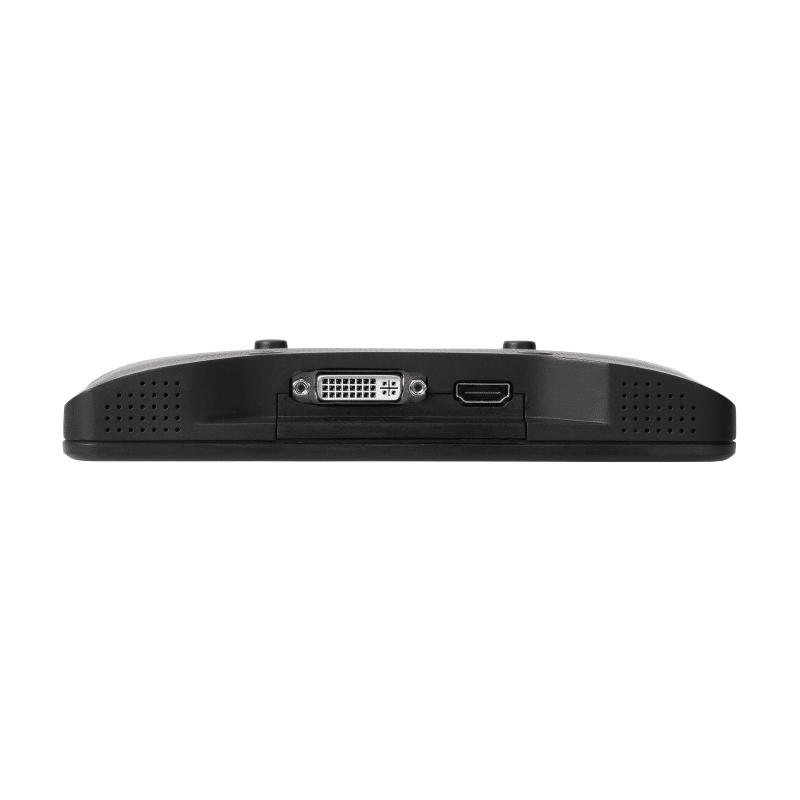
720P High Resolution / 560 nits / 1000:1 Contract Ratio / Projected Capacitive Touch / DC 9~48V Front Panel IP65 / In-Vehicle Monitor


• 7 inches / 16:9
• 1280 (H) × 720 (V) RGB
• 156.48 (H) × 80.136 (V) mm
• 80 / 80 / 80 / 80 Degree
• 560 nits (typical)
• 1000:1 (typical)Backlight Type
• LED
• Projected Capacitive with Multi-touch
• 1 x DVI-D 29 pins Connector for DVI-D Single Link Video,
Touch (USB 2.0), Line in, MIC out, and DC 9~48V Power input
* SINTRONES custom pin definition for SINTRONES optional cable only
• 1 x HDMI®
• 6 x Touch Hotkeys
• 2 x Bulit-in Digital MIC
• Stereo Speaker with Built-in Amplifier
• 188.5 (L) x 124.2 (W) x 31.4 (H) mm
• 510 g
• VESA MIS-D 75 mm
• (Front) IP65
• (others) IP4X
• 9V – 48V DC Power Input
• -20°C ~ 60°C with 0.6 m/s airflow
• -40°C ~ 80°C
• 10% RH – 90% RH (non-condensing)
• IEC60068-2-64, random, 2.5G@5~500Hz, 1hr/axis
• MIL-STD-810G, Method 514.6, Procedure I, Cat.4, Operating
• Operating: MIL-STD-810G, Method 516.6, Procedure I, Trucks and semi-trailers=15G (11ms)
• CE, FCC Class A, E-Mark
SINTRONES VBOX-3131: Intel-Powered Mobile Computing Platform for Modern Taxi Fleets As major global metropolitan hubs accelerate their smart mobility initiatives, the modernization of public transit and ride-hailing networks has become paramount. For large-scale urban transport networks, deploying a dependable driver terminal and an intelligent real time dispatch system is crucial to maintaining operational fluidity. To achieve this, transportation authorities are integrating advanced in-vehicle computer platforms as core processing units. This case study explores how a premier transport network implemented an intelligent taxi fleet management infrastructure, establishing an uninterrupted data pipeline between dispatch centers and thousands of vehicles moving across the city by leveraging next-generation fleet management hardware. Optimizing Fleet GPS Tracking and Fleet Communication on Shared Roads Managing continuous operations across a massive urban taxi fleet introduces complex logistical and engineering hurdles that standard enterprise hardware cannot endure. Modern dispatch operations rely entirely on robust gps tracking and fleet management architectures for constant, real-time routing updates and seamless data synchronization. Any connectivity dropout or system freeze directly impacts driver productivity, delays passenger pickups, and diminishes overall transit efficiency. In high-density urban corridors, vehicles frequently navigate “urban canyons” lined with towering skyscrapers, which can severely disrupt GPS signals and cellular networks. Therefore, maintaining stable, uninterrupted fleet communication via reliable mobile computing platforms is non-negotiable. For public transport networks operating 24/7, deploying conventional commercial devices introduces massive failure risks and costly fleet management maintenance overheads, emphasizing the need for dedicated, industrial-grade electronics. High-Temperature Reliability in Automotive Embedded Systems Operating automotive embedded systems directly inside a passenger taxi introduces extreme environmental stressors. The technical challenges far exceed those of office environments. Taxis run continuously through intense desert climates where ambient cabin temperatures can...
Read more