Technical FAQ
Q1. What makes the ABOX-5221(P)(G)-IP66 suitable for harsh industrial and outdoor deployments?
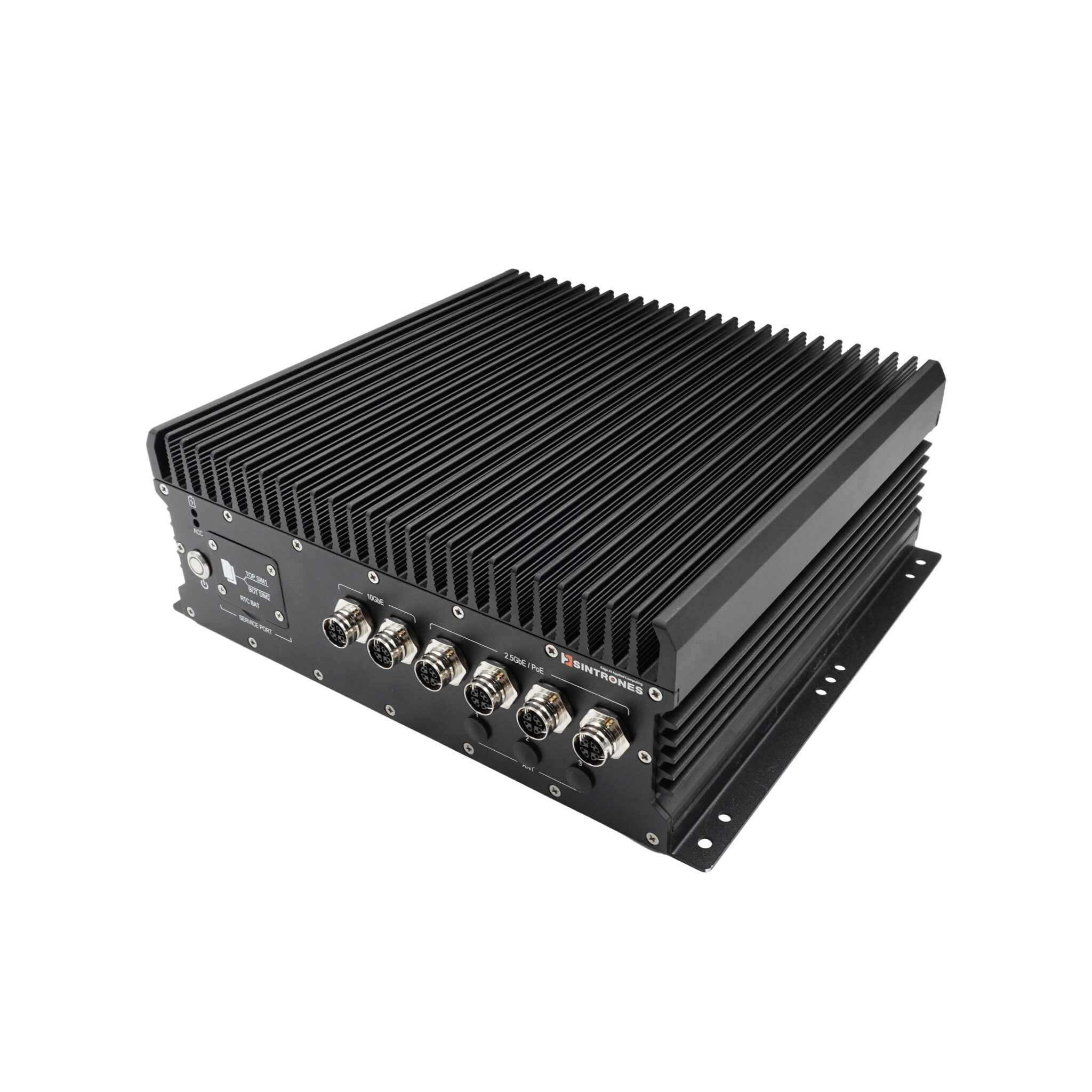
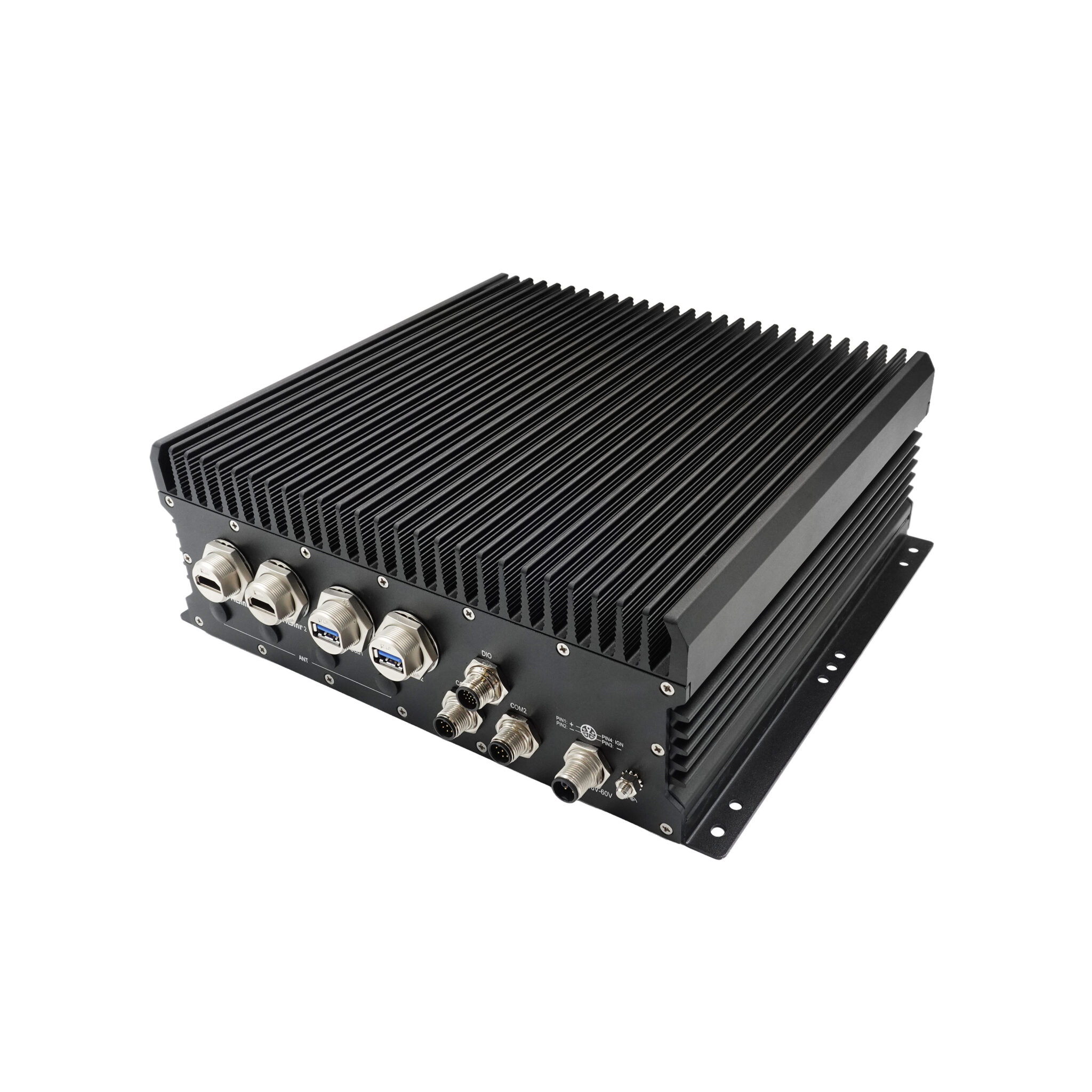
The system combines an IP66 enclosure with M12 connectors for power, Ethernet, DIO, and serial interfaces. IP66 protects against dust ingress and powerful water jets, while M12 connectors provide secure connections in vibration-prone installations. Its environmental specifications also include MIL-STD-810H vibration and shock testing for demanding mobile applications.
Q2. Can the system process multiple camera streams locally when network connectivity is limited?
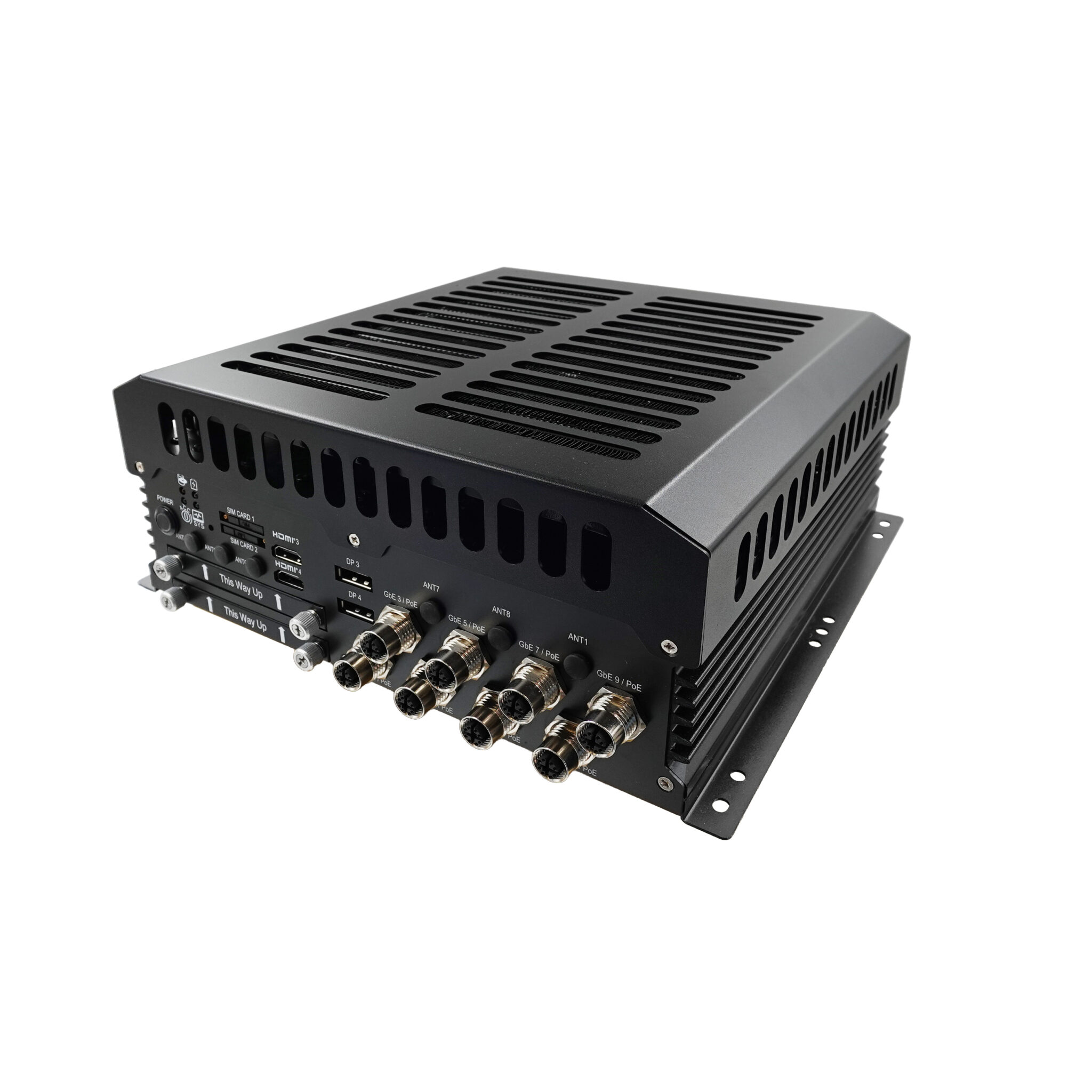
Yes. Intel® Core™ Series 2 processors and optional discrete GPUs enable AI inference and video analytics directly on the system, reducing reliance on cloud processing. The platform is suitable for onboard perception, industrial inspection, and remote monitoring. Actual stream capacity and inference latency depend on the selected GPU, AI model, image resolution, and application software.
Q3. How can I integrate cameras and sensors while simplifying wiring?
Four M12 X-coded 2.5GbE ports connect compatible Ethernet cameras and devices. Optional PoE+ delivers up to 25.5W per port through the same cable, simplifying power and data wiring. Dual 10GbE ports provide high-bandwidth connections for data aggregation and network uplinks. USB, DIO, and RS-232/422/485 interfaces accommodate additional sensors and control devices. Confirm device power requirements and interface compatibility before integration.
Q4. How should I select a configuration for high AI workloads and extreme temperatures?
Evaluate computing performance and environmental requirements together. RTX™ Embedded 5000 Ada and 3500 Ada configurations are rated for 0°C to 60°C; RTX™ Embedded 2000 Ada and Intel® Arc™ A370E configurations are rated for 0°C to 70°C. The general −40°C to 70°C specification requires 0.6 m/s airflow and varies with installed accessories. For outdoor installations or enclosed equipment bays, confirm the complete configuration’s temperature rating and cooling conditions before deployment.
Q5. How does the system address vehicle power fluctuations and unexpected power loss?
The system accepts 18–60V DC input and includes ignition detection, smart power management, and protection against overcurrent, overvoltage, surges, and reversed polarity. An optional battery backup unit provides up to 10 minutes of emergency power, depending on system consumption and battery charge. Applications requiring data preservation and controlled shutdown should implement an appropriate shutdown procedure. Installing the battery kit limits operating temperatures to −10°C to 60°C.