Technical FAQ
Q1: How do I choose an Edge AI computer for outdoor and harsh-environment applications?
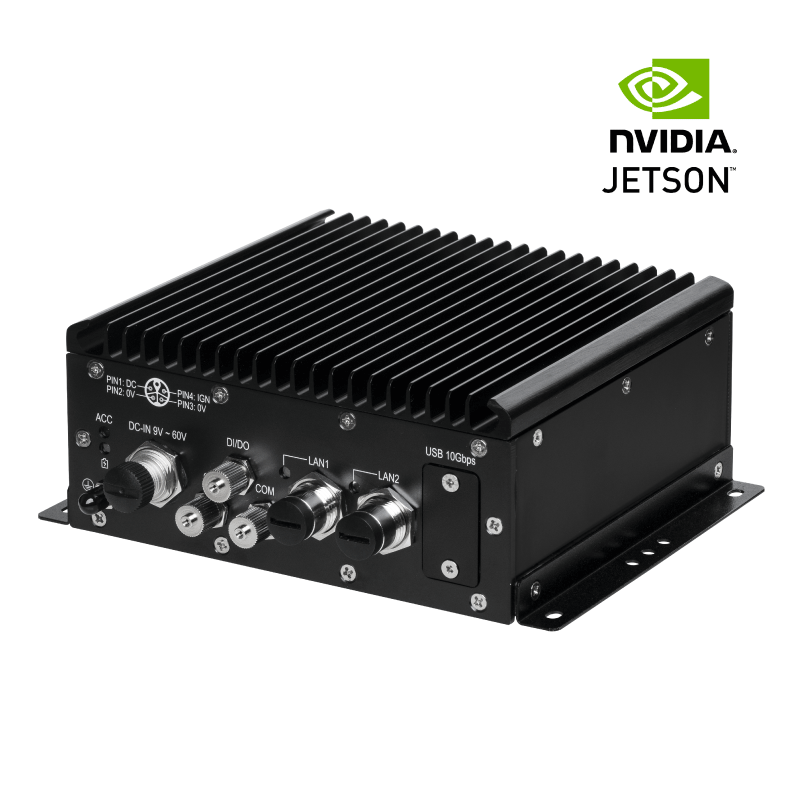
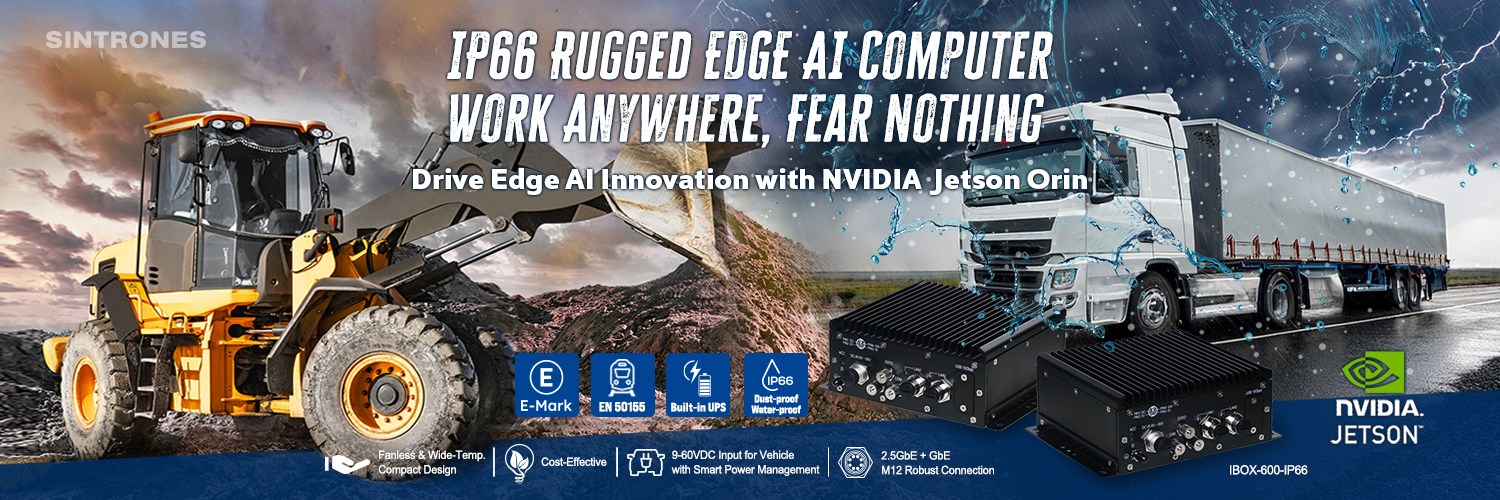
A: An outdoor Edge AI computer should be selected based on AI workload, ingress protection, operating temperature, connectivity, power architecture, and environmental durability. For exposed installations, features such as an IP66-rated enclosure, sealed industrial connectors, fanless cooling, and wide-voltage input are particularly important. The IBOX-600-IP66 combines NVIDIA® Jetson Orin™ edge AI computing with IP66 protection, M12/M8 connectivity, -25°C to 70°C operation, and 9–60V DC input for deployment in applications such as smart infrastructure, transportation, construction, and agriculture.
Q2: How do I choose between Jetson Orin™ NX and Orin™ Nano for my Edge AI workload?
A: The appropriate Jetson module depends on AI model complexity, inference performance, memory requirements, and power considerations. The IBOX-600-IP66 supports Jetson Orin™ NX 16GB and 8GB for more demanding AI workloads, as well as Orin™ Nano 8GB and 4GB for lighter edge inference and cost-sensitive deployments. Selection should consider the number and complexity of AI models, required inference throughput, memory usage, and other concurrent workloads.
Q3: Can the IBOX-600-IP66 process AI inference locally without cloud connectivity?
A: Yes. The IBOX-600-IP66 uses NVIDIA® Jetson Orin™ NX/Nano modules to process compatible AI models directly at the edge. Local inference can reduce network latency and bandwidth requirements while allowing applications to continue processing data when cloud connectivity is limited or unavailable. This makes the platform suitable for real-time applications such as object detection, intelligent infrastructure monitoring, traffic analytics, and machine vision in remote or outdoor environments.
Q4: How can the IBOX-600-IP66 connect cameras, sensors, controllers, and field devices?
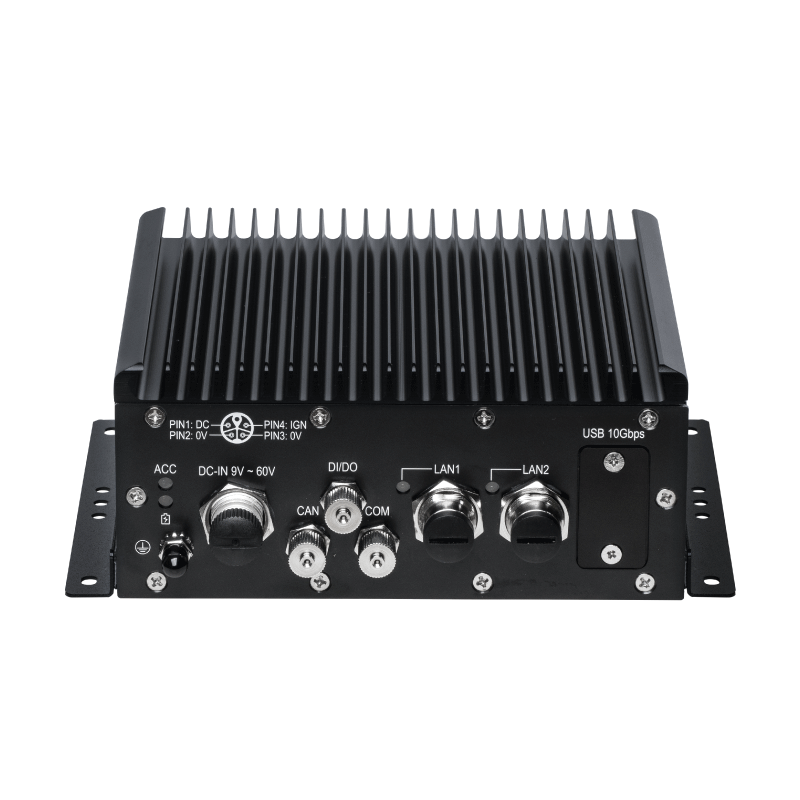
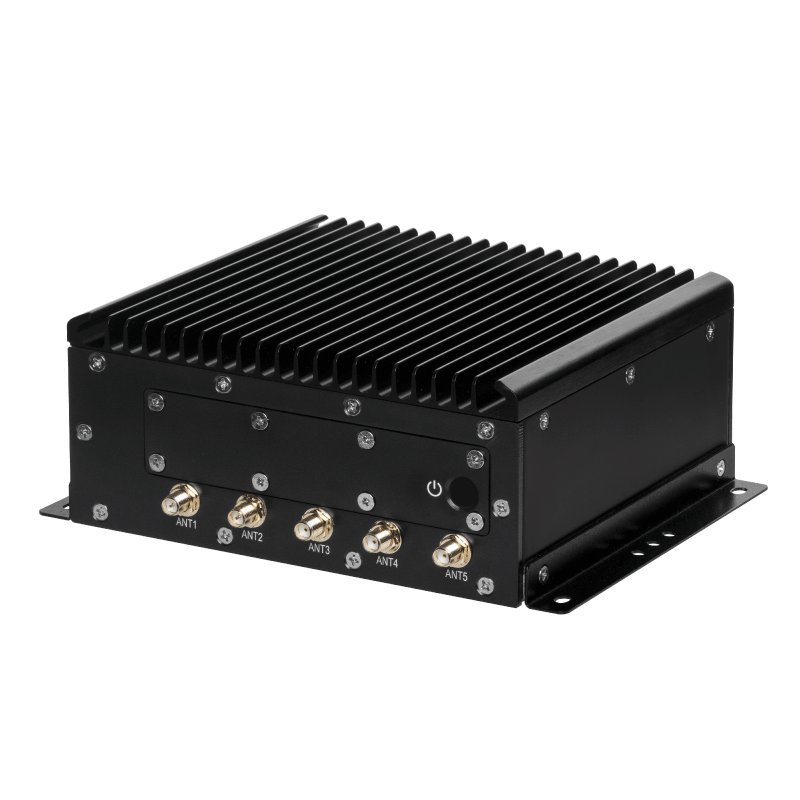
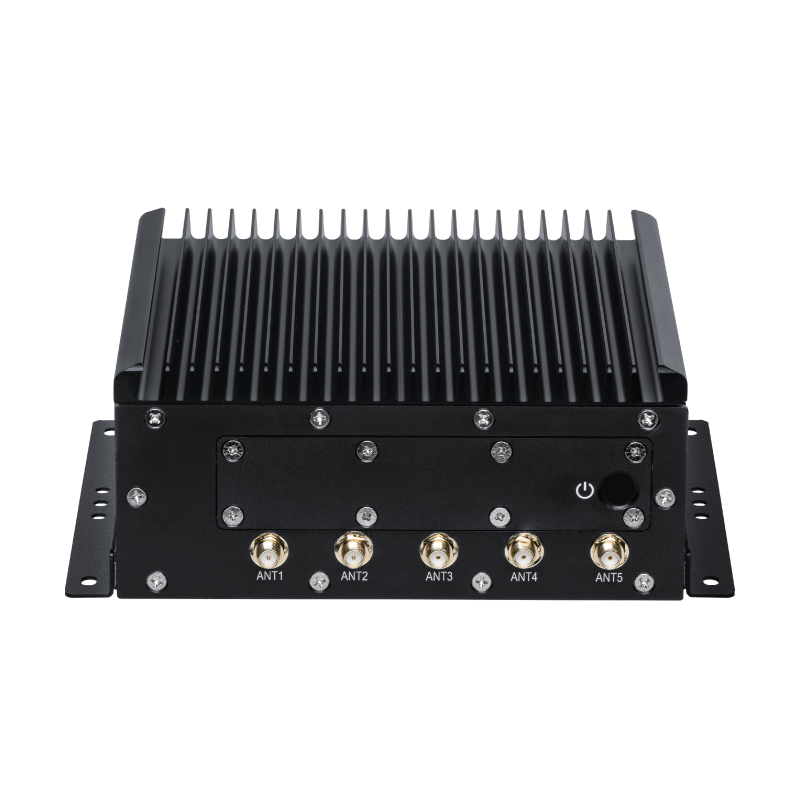
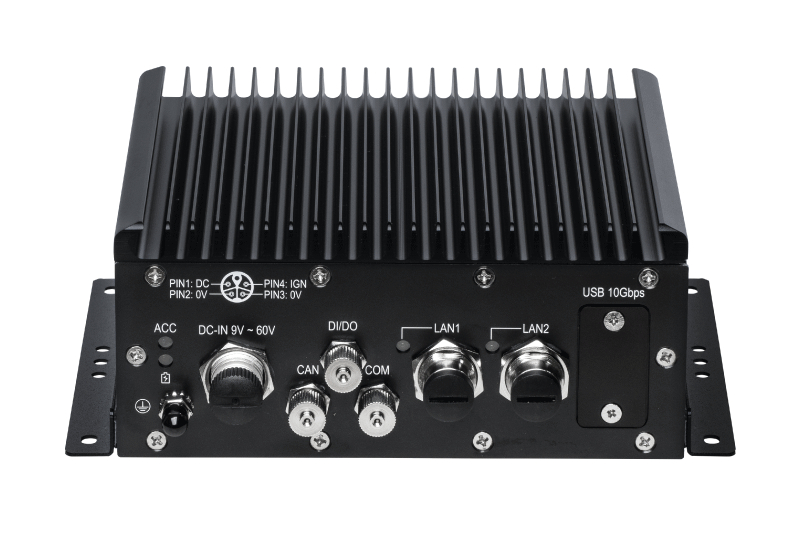
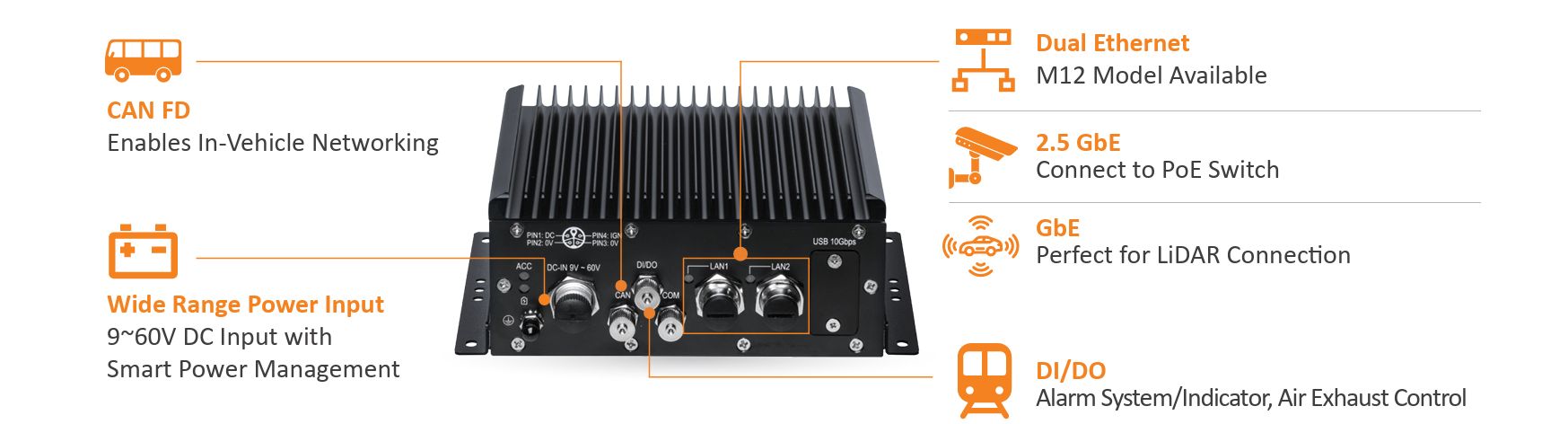
A: The IBOX-600-IP66 provides 2.5GbE and GbE through M12 X-coded Ethernet connectors, along with CAN FD, RS-232/422/485, digital I/O, USB, and HDMI connectivity. Internal expansion supports WWAN, Wi-Fi, and GPS configurations. These interfaces enable network devices, machine or vehicle data, sensors, positioning, and wireless communications to be integrated with local AI processing on a single rugged platform.
Q5: What should I consider when deploying an IP66 Edge AI computer outdoors?
A: IP66 protects the enclosure against dust ingress and powerful water jets, but a complete outdoor installation should also consider connector sealing, cable assemblies, mounting, airflow, ambient temperature, power quality, and wireless antenna placement. The IBOX-600-IP66 uses M12 and M8 connectors for rugged field connections and supports fanless operation from -25°C to 70°C under specified airflow conditions. Actual operating temperature may vary depending on installed accessories and system configuration.