

Edge AI Computer Selection: GPU Accelerated Computing vs. Rugged Embedded Systems
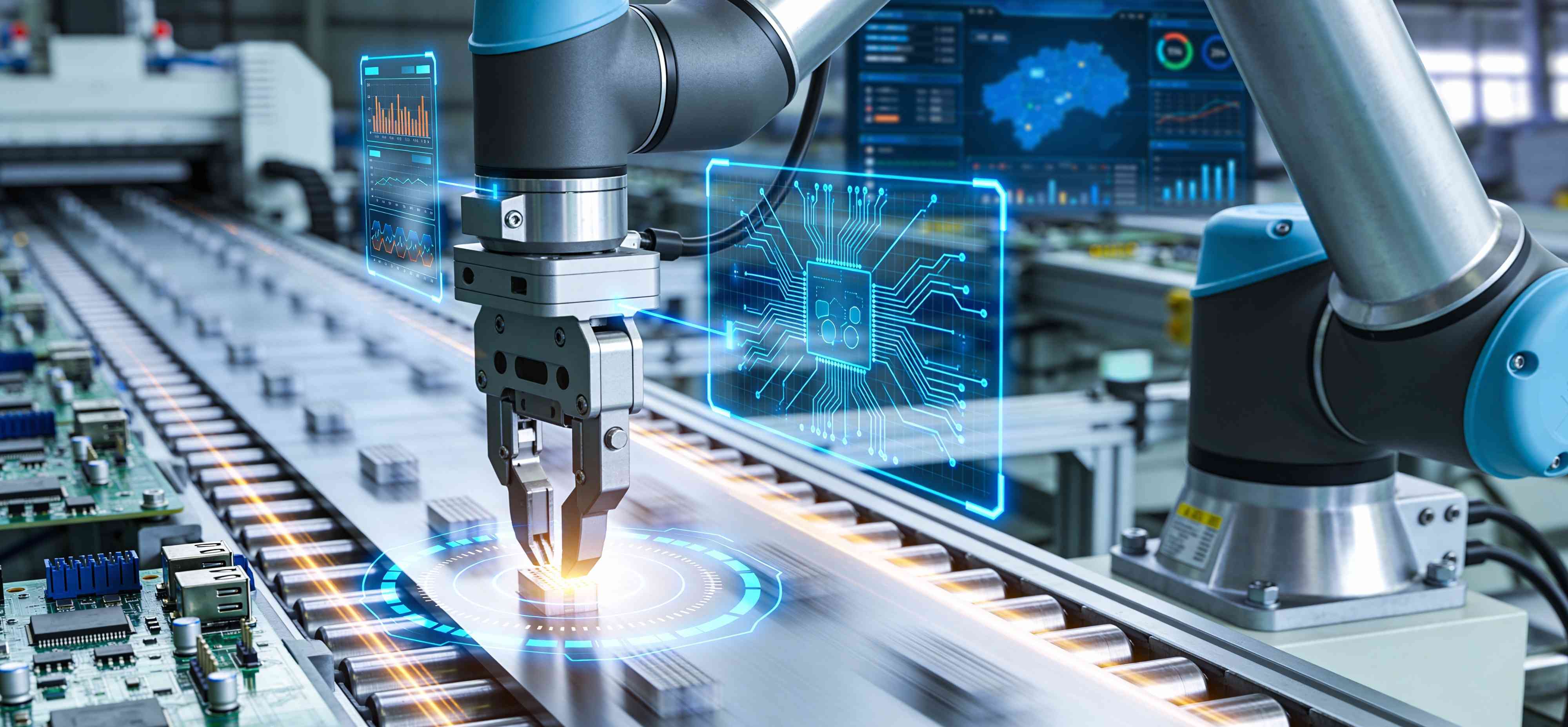
To understand what is an edge GPU, one must look at how processing power has shifted from centralized clouds to local devices. An Edge AI Computer integrates specialized GPU hardware to perform real-time data analytics directly where data is generated. Selecting the right architecture involves a strategic choice between the massive throughput of GPU Accelerated Computing and the extreme resilience of specialized embedded modules—a decision that determines the long-term success of AI deployments in autonomous robotics and smart transit.
Embedded vs. Expansion PC: Strategic Optimization for Autonomous Robotics
When engineering for Autonomous Robotics, the debate between Embedded vs. Expansion PC architectures hinges on the trade-off between power efficiency and data processing density. A rugged embedded system is designed to provide consistent AI inference within a compact, fanless footprint, making it the premier choice for space-constrained, battery-operated platforms like last-mile delivery robots. Conversely, expansion-based architectures allow for high-tier GPU integration, providing the necessary horsepower for complex neural networks required in smart mobility and large-scale industrial automation.
High-Performance Industrial Edge Server: The Power of PCIe Expansion
For mission-critical applications requiring immense processing density—such as rail-side inspection or real-time 8K sensor fusion—the Industrial Edge Server (ABOX series) serves as a high-performance command center. By leveraging GPU Accelerated Computing through high-tier PCIe cards, this architecture functions as a robust In-vehicle Computer System. It is specifically engineered to process high-bandwidth data streams without thermal throttling, ensuring that heavy-duty machinery in mining, construction, and transit remains ready for the 24/7 demands of uncooled environments.
Industrial Fanless Embedded PC: Harnessing NVIDIA Jetson AGX Orin
The Industrial Fanless Embedded PC (IBOX series) represents the pinnacle of efficiency for mobility-focused intelligence. Built on the NVIDIA Jetson AGX Orin platform, these systems offer an exceptional performance-per-watt ratio, delivering up to 275 TOPS of AI power required for sophisticated computer vision hardware. The technical advantage of this embedded architecture lies in its native GMSL2 support, providing ultra-low-latency video feeds vital for real-time obstacle detection. To survive the harshest outdoor conditions, these units are often built as a wide temperature computer, maintaining stability from -40°C to 70°C.
Future-Proofing with MIL-STD-810H and Smart Logistics Solutions
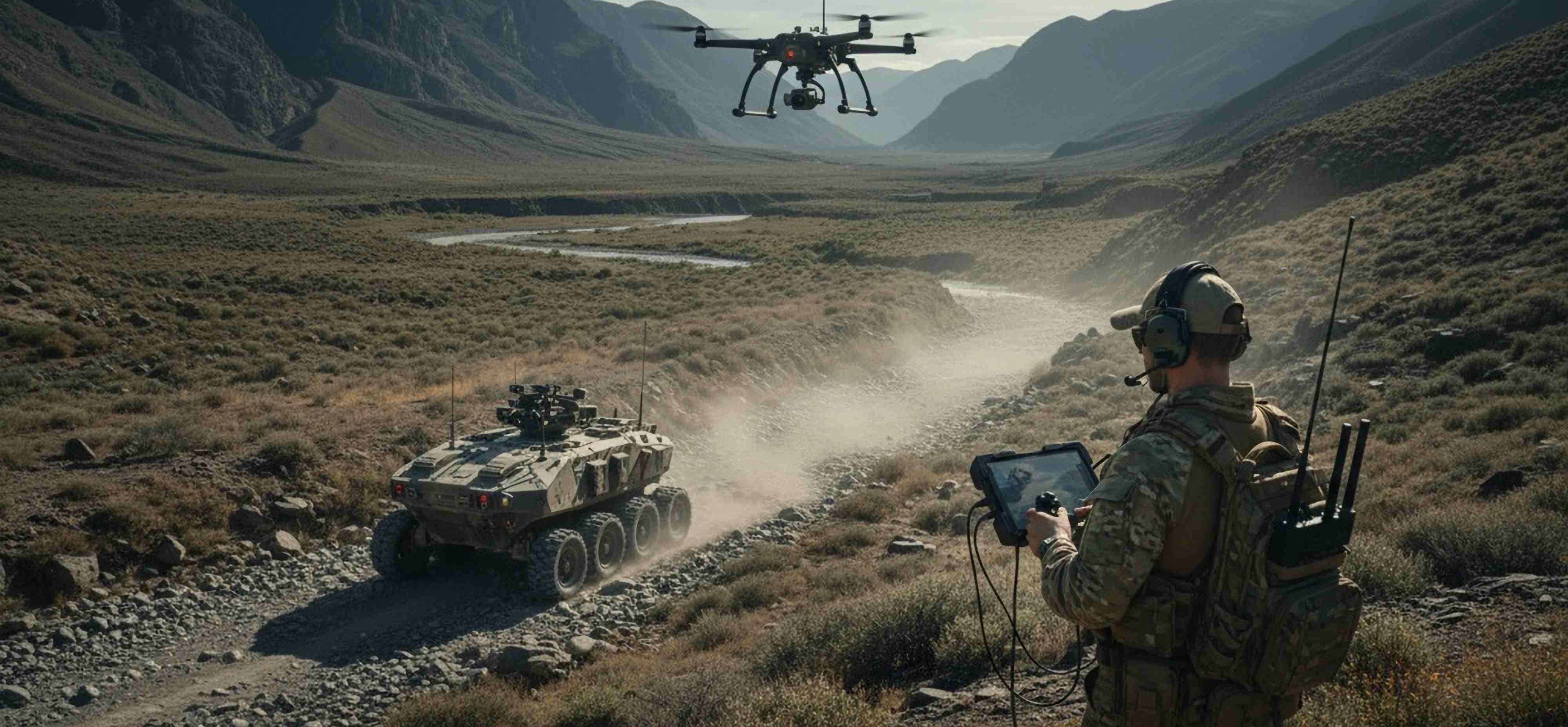
To achieve true long-term ROI in smart logistics solutions, hardware must endure physical stressors that would destroy standard electronics. Any Edge AI Computer deployed in the field should ideally adhere to the MIL-STD-810H standard for elite shock and vibration resistance. Whether it is a delivery robot navigating a high-traffic warehouse or a tactical vehicle in a defense operation, these certifications ensure that the system’s electronics remain sealed and secure. By combining autonomous driving system logic with ruggedized engineering, SINTRONES provides the scalable intelligence required for the future of global mobility.
Technical FAQ: Implementing Your Edge AI Computer System
Q1: Why is MIL-STD-810H certification essential for an In-vehicle Computer System?
A: MIL-STD-810H is a comprehensive military-grade standard that tests equipment against extreme vibrations and shocks. For an In-vehicle Computer System, this certification guarantees that the hardware can survive years of constant road vibration and sudden impacts without mechanical or electrical failure.
Q2: How does a wide temperature design benefit an Edge AI Computer in outdoor environments?
A: Outdoor environments expose an Edge AI Computer to extreme seasonal shifts. Utilizing specialized thermal dissipation designs and industrial-grade components allows the system to operate reliably between -40°C and 70°C, preventing system shutdowns during heatwaves or sub-zero winter cycles.
Q3: Is the NVIDIA Jetson AGX Orin powerful enough for autonomous robotics?
A: Yes. Delivering 275 TOPS of AI performance, the NVIDIA Jetson AGX Orin is specifically engineered for Autonomous Robotics. It provides enough power for simultaneous sensor fusion, path planning, and computer vision tasks while maintaining the energy efficiency necessary for mobile, battery-powered platforms.