

Rugged Vehicle Computing Architecture: The Backbone of Mission-Critical Edge AI
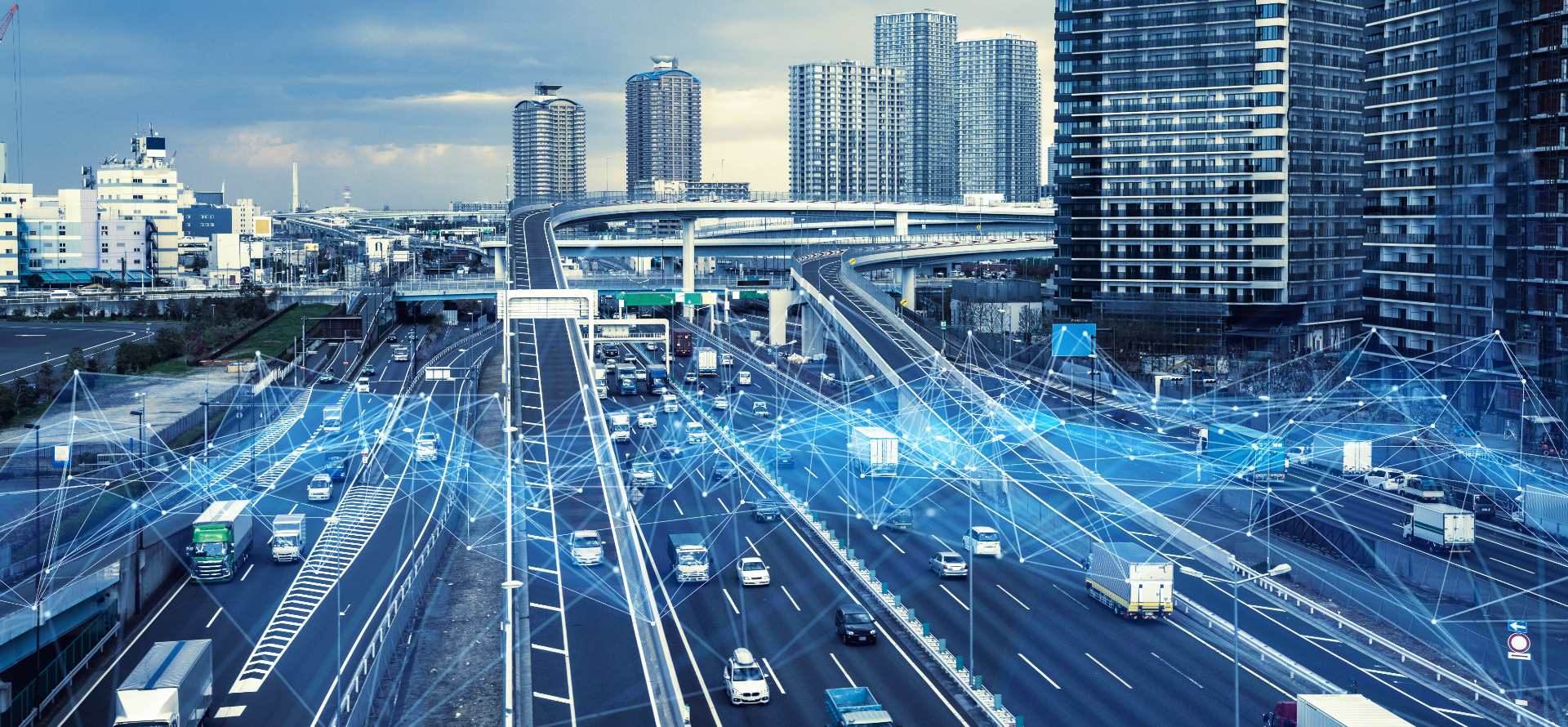
In the era of AI-driven transportation, a professional rugged vehicle computing architecture has evolved far beyond basic control. For mission-critical sectors such as smart policing, autonomous logistics, and modern smart rail, these systems serve as the robust engine for real-time Edge AI for smart mobility. Unlike consumer electronics, industrial-grade systems are engineered as a centralized hub that integrates seamlessly with CAN Bus and ECUs while enduring extreme environmental stressors.
The Challenge: Deploying Edge AI for Smart Mobility in Extreme Environments
Deploying intelligence at the rugged edge presents a multifaceted set of technical hurdles that demand more than standard computing solutions. In dense metropolitan areas or busy airport tarmacs, the primary challenge lies in navigating “urban canyons,” where ultra-low-latency processing is indispensable for accurate collision prediction and obstacle detection. Beyond sensory accuracy, the hardware must exhibit profound environmental and power resilience—maintaining operational precision under the constant vibration of rail tracks or the extreme thermal shifts between sub-zero Nordic winters and intense tropical heat.
Furthermore, the absence of a reliable communication backbone can lead to critical data silos; without real-time synchronization, essential telemetry such as engine diagnostics or weight measurements can face significant delays, directly compromising logistics efficiency and the stringent demands of global regulatory compliance.
The Solution: SINTRONES Mission-Critical In-Vehicle Solutions
To address these challenges, SINTRONES provides a specialized hardware DNA through our ABOX, IBOX, and VBOX series. This architecture provides the flexibility to meet diverse application demands—from high-speed AI inference to ultra-compact fleet control—ensuring a future-proof foundation for the next decade of transit innovation.
The Three Pillars of Mission-Critical Architecture:
- ABOX—High-Bandwidth Sensor Fusion for Rail: Designed for intelligent rail, the ABOX-5210 handles high-volume data streams for collision prevention. Its processing capability allows for the synthesis of LiDAR, Radar, and camera data, ensuring precise detection and classification of obstacles in complex shared-road environments. Its EN 50155 certified design ensures resilient operation against the constant shocks typical of urban tram operations.
- IBOX—Advanced Edge AI for Autonomous Navigation: Powered by the NVIDIA® Jetson AGX Orin™ platform, the IBOX-650P-T1 is the premier choice for driverless shuttle navigation. It supports GMSL2 high-speed cameras for 360-degree situational awareness and integrates with V2X communication modules to enable millisecond-level decision-making on active airport airfields.
- VBOX—Precision Control for Urban Mobility: Optimized for space-constrained cabins, the VBOX-3132 serves as a precision controller. It bridges the gap between mechanical systems and central offices by providing CAN Bus integration and Dead Reckoning for 100% visibility in tunnels. In heavy-duty transport, it enables real-time on-board weighing, transforming raw sensor data into immediate billing accuracy and reducing roadside breakdowns by up to 15%.
Deep Dive: Technical Specifications for Industrial Reliability
To truly grasp the necessity of a rugged vehicle computing architecture, one must look beyond basic performance and into the rigorous engineering standards that define “industrial-grade” reliability. At the core of SINTRONES’ design philosophy is a synergy between thermal management, power integrity, and physical endurance. Our systems utilize fanless, aluminum alloy constructions to ensure optimal heat dissipation for unwavering stability in extreme climates ranging from -40°C to 70°C. This environmental resilience is paired with sophisticated power management, featuring wide-range DC 9-60V input and intelligent ignition power control to shield critical data from volatile voltage fluctuations during engine start-up cycles.
Furthermore, by adhering to strict MIL-STD-810H and EN 50155 standards, the architecture safeguards internal components against the unrelenting shocks of open roads and rail tracks, providing a fail-safe foundation for continuous, mission-critical performance.
Future Market Trends in Autonomous Transit & Logistics
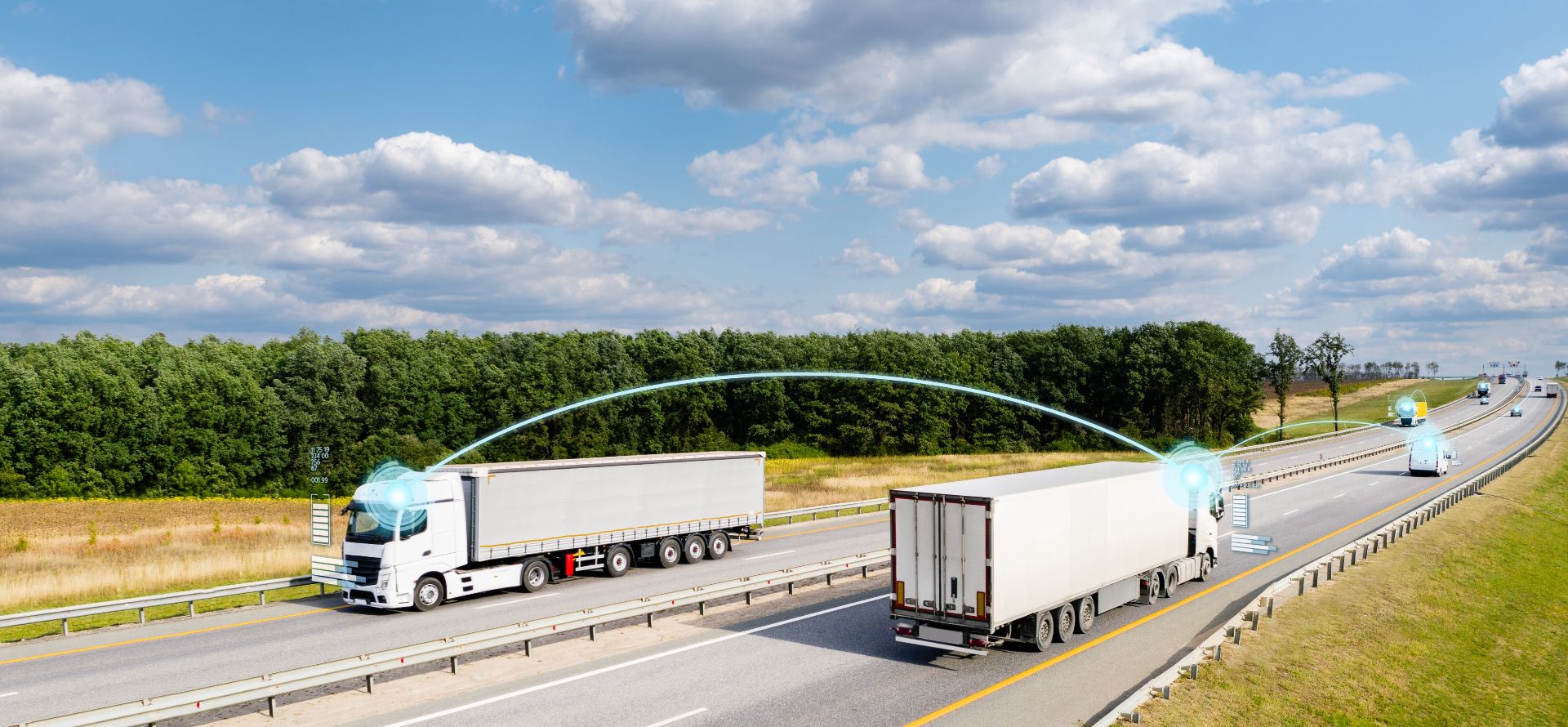
The move toward autonomous transit & logistics delivers measurable strategic advantages by shifting from reactive to proactive safety models. High-density computing enables immediate collision warnings and real-time diagnostics, aligning with the global trend of MaaS (Mobility-as-a-Service).
Beyond safety, these solutions optimize the Total Cost of Ownership (TCO). By enabling real-time data transmission via 5G-ready modules, logistics operators can reduce billing cycles from days to minutes. Compliance with global transport certifications ensures that metropolitan fleets and heavy-duty vehicles remain reliable, providing the scalable intelligence required for the future of global mobility.
Technical FAQ: Implementing Rugged Vehicle Systems
Q1: How does the Intel® Core™ processor family optimize AI inference in space-constrained cabins?
A: Systems like the ABOX series utilize high-performance processors to provide edge AI computing within a low-profile chassis. This allows for executing complex deep learning models for obstacle detection where space is limited but computational demand is high.
Q2: What advantages does Dead Reckoning offer for urban bus fleet management?
A: Dead Reckoning ensures accurate positioning even when satellite signals are obstructed by tall buildings or tunnels. This is essential for maintaining passenger trust through accurate arrival estimates in dense “urban canyons.”
Q3: Why is E-Mark and EN 50155 certification necessary for public transit?
A: These certifications guarantee that the hardware meets strict safety and flame-retardant standards (such as ECE R118) and can withstand the electrical interference and mechanical shocks typical of public passenger transport.