Technical FAQ
Q1: What should I consider when choosing an ARM-based computer for in-vehicle applications?
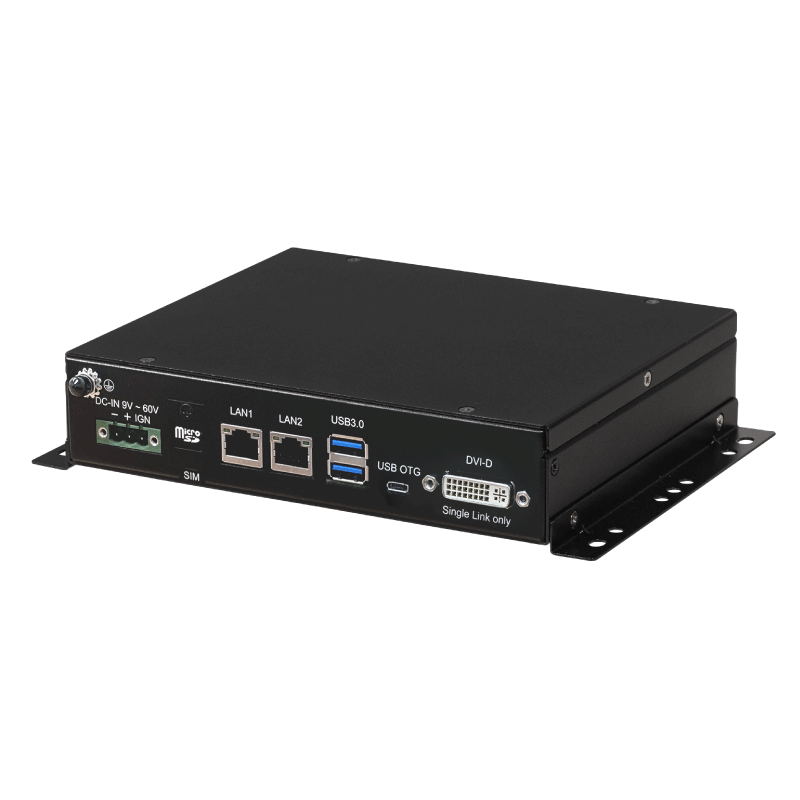
A: Key considerations include processor qualification, power efficiency, vehicle network support, operating temperature, I/O requirements, and software environment. The IBOX-500 combines an NXP® i.MX 8QuadXPlus automotive-grade SoC with CAN/CAN FD, wide-temperature operation, 9–60V DC input, and Yocto Linux, making it suitable for embedded vehicle applications that require efficient, reliable local computing rather than high-power x86 processing.
Q2: How can the IBOX-500 integrate with CAN and CAN FD vehicle networks?
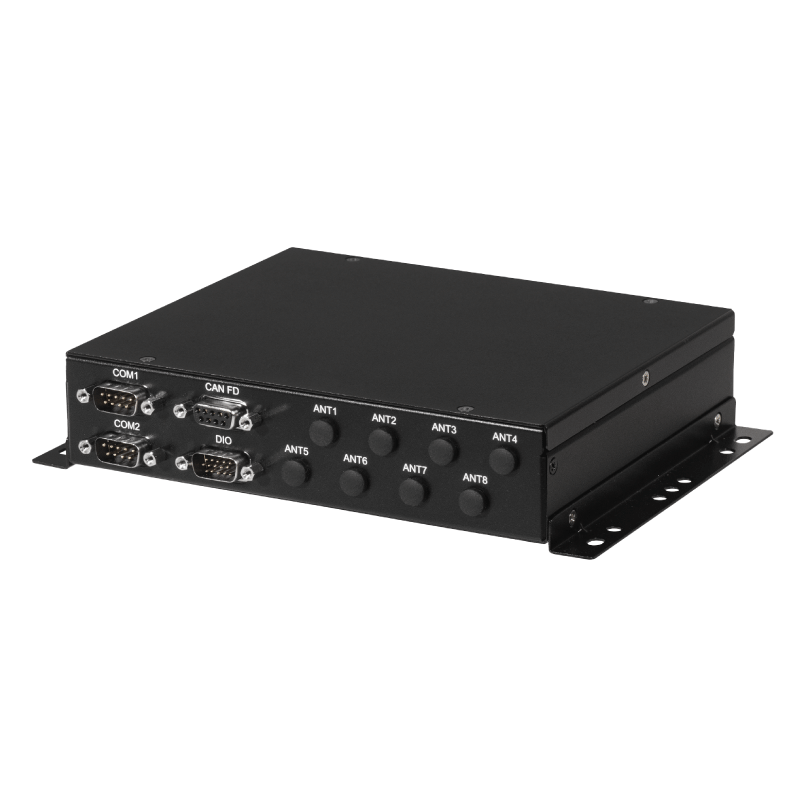
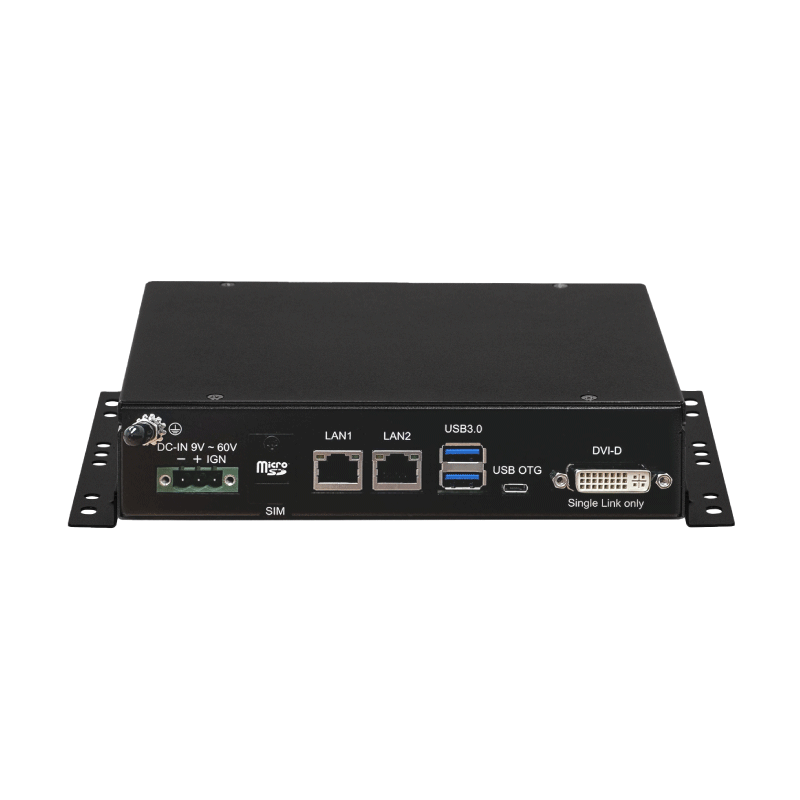
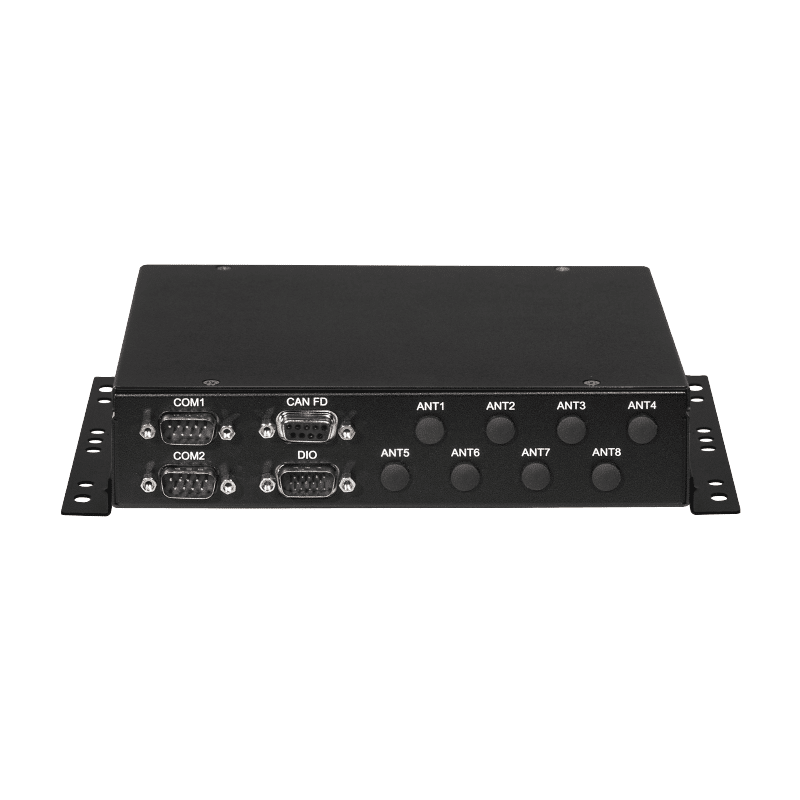
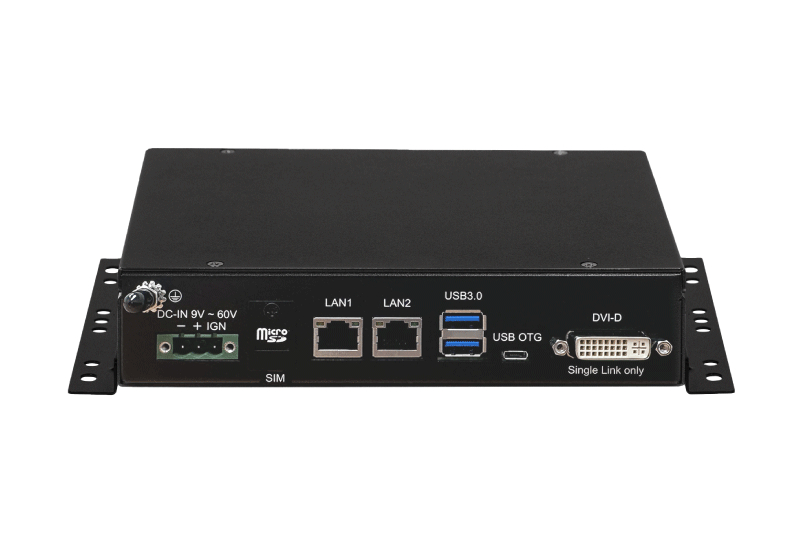
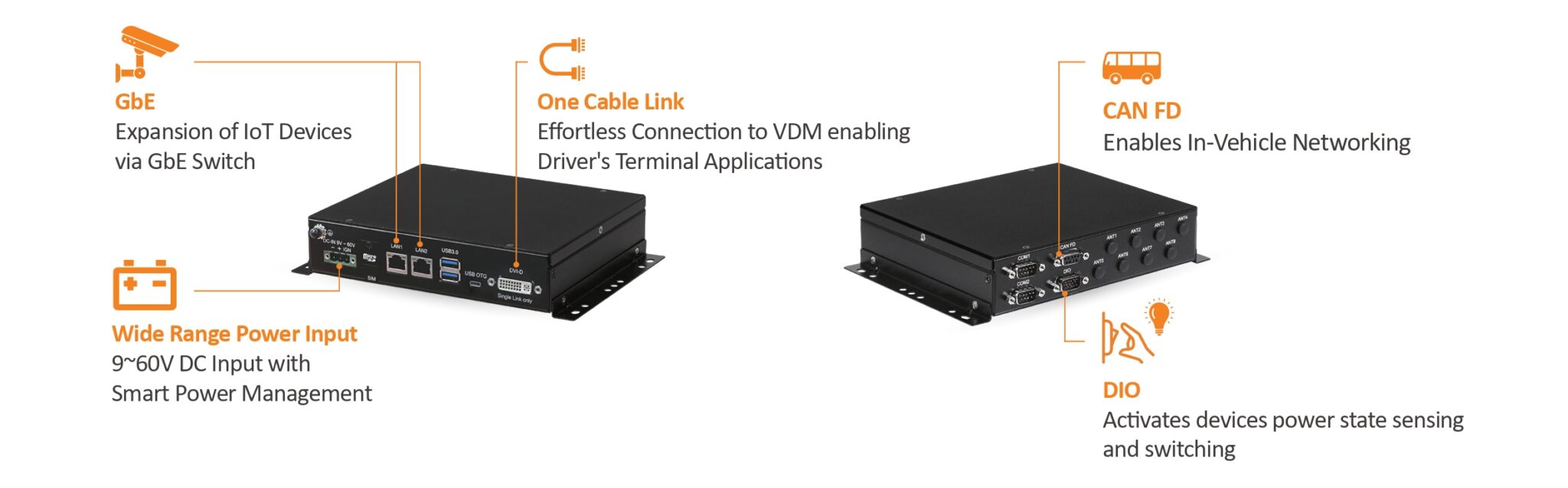
A: The IBOX-500 provides three CAN/CAN FD interfaces for communication with vehicle controllers, sensors, and other CAN-based devices. CAN FD supports larger data payloads and higher data rates than Classical CAN, making it suitable for applications that need to exchange more vehicle data while maintaining compatibility with CAN-based architectures. Additional serial, digital I/O, USB, and Ethernet interfaces provide flexibility for connecting other onboard devices.
Q3: How can the built-in accelerometer, gyroscope, and magnetic sensor be used in vehicle applications?
A: The integrated accelerometer, gyroscope, and magnetic sensor provide motion and orientation data directly at the vehicle computer. Depending on the application software, this data can support functions such as vehicle movement detection, orientation monitoring, driving behavior analysis, and motion-related event detection. Combining these sensor inputs with CAN, GNSS, or other vehicle data can provide additional context for fleet and mobility applications.
Q4: How can the IBOX-500 support 5G/LTE, GPS, and Wi-Fi connectivity?
A: The IBOX-500 provides dedicated M.2 expansion for WWAN, GPS, and Wi-Fi connectivity. An M.2 B-key interface supports 5G/LTE modules with a Nano SIM slot, another M.2 interface supports GPS, and an M.2 E-key interface supports Wi-Fi. These expansion options allow vehicle data, positioning information, and other operational data to be processed locally and exchanged with remote systems when wireless connectivity is required.
Q5: How does the IBOX-500 handle vehicle power and ignition cycles?
A: The IBOX-500 supports a 9–60V DC input for integration with a wide range of vehicle power systems and includes smart vehicle ignition management. Software-configurable power-off delay allows the system to remain active for a defined period after the ignition is turned off, providing time for applications to complete required processes before shutdown. Automatic-recovery short-circuit protection provides additional protection against abnormal power conditions.