Technical FAQ
Q1: How do I choose between the VBOX-3650, VBOX-3650P, and VBOX-3650-M12X configurations?
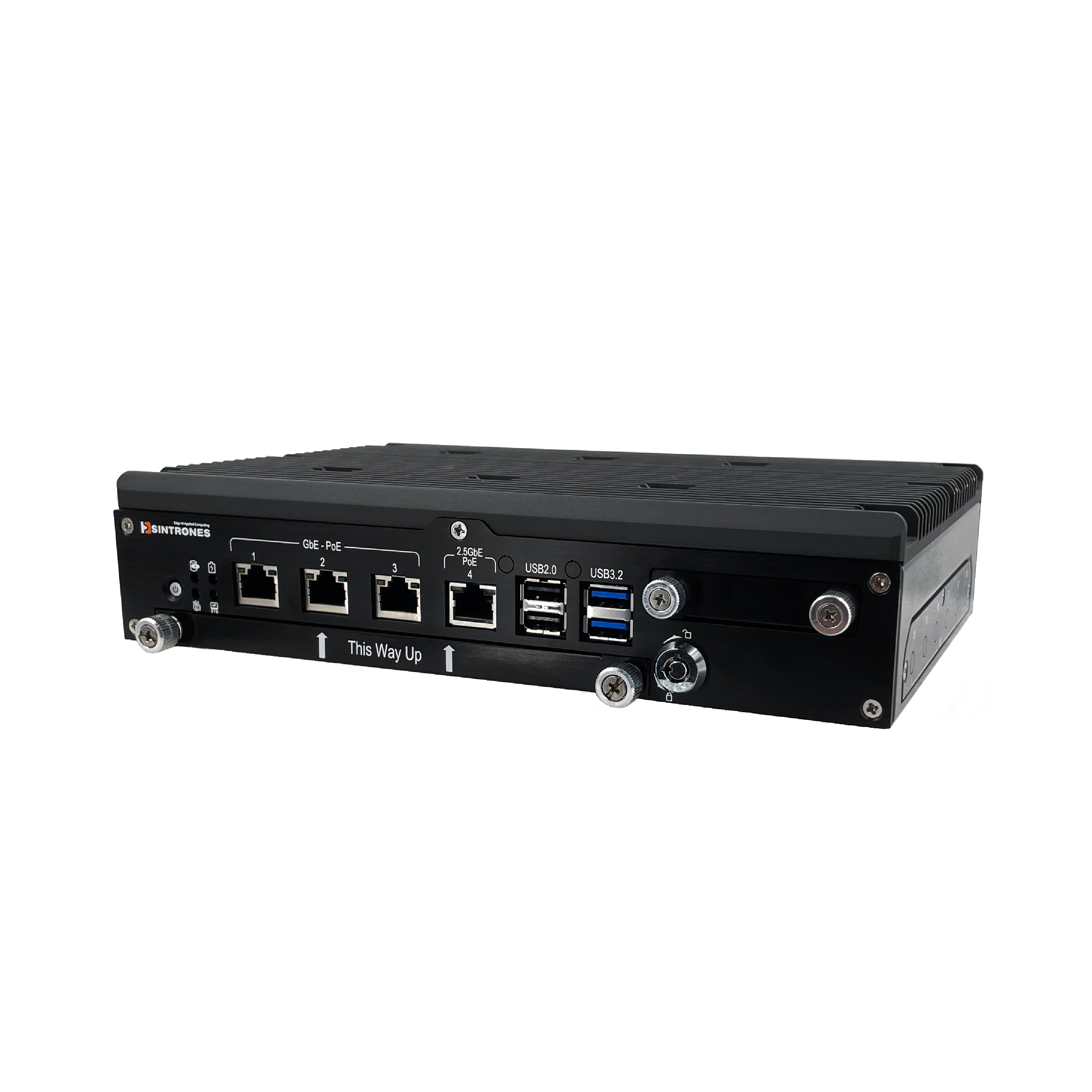
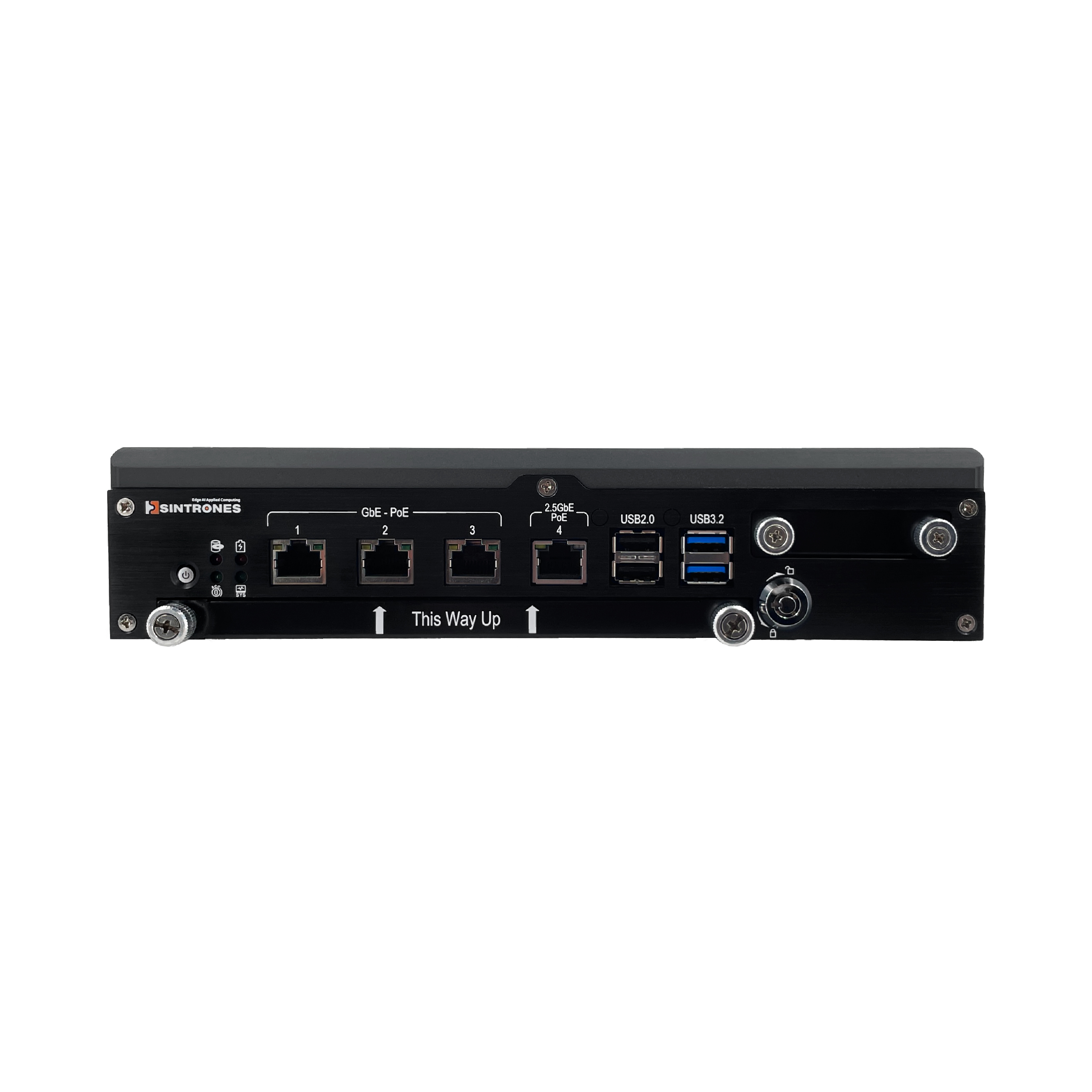
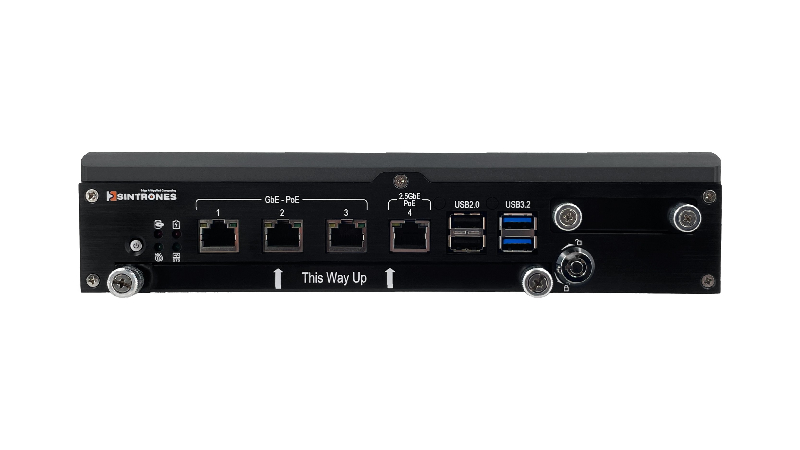
A: Choose the VBOX-3650 for standard Ethernet-based installations, the VBOX-3650P when IP cameras or other PoE devices need to receive power and data through the same connection, and the VBOX-3650-M12X for mobile or railway environments where locking M12 X-coded Ethernet connections are preferred. The platform provides one 2.5GbE and three GbE ports, with an optional four-port PoE configuration supporting up to 15.4W per port and a total PoE power budget of 60W.
Q2: Can the VBOX-3650 process AI workloads locally without a discrete GPU?
A: Yes. The Intel® Core™ Ultra Series 3 platform integrates CPU, GPU, and NPU computing resources, allowing compatible AI inference workloads to run directly at the edge without requiring a discrete GPU. This architecture is well suited to applications such as video analytics, object detection, intelligent transportation, AGV/AMR perception, and operational monitoring where low latency and reduced cloud dependency are important. Actual inference performance depends on the AI model, framework, precision, and workload.
Q3: How can the VBOX-3650 support multi-camera AI vision and NVR applications?
A: The VBOX-3650 combines up to four Ethernet ports, an optional four-port PoE configuration, high-bandwidth DDR5 memory, NVMe storage, and dual 2.5-inch SATA SSDs to support camera-based edge applications. System integrators can use PoE to simplify IP camera deployment while processing video locally and storing footage on the same platform. For storage architecture, RAID 0 can prioritize throughput, while RAID 1 provides data redundancy for applications where recorded video availability is more important.
Q4: When should I use RAID 0 or RAID 1 for an in-vehicle NVR system?
A: RAID selection depends on whether the application prioritizes storage performance or data protection. RAID 0 combines the two SATA SSDs to improve storage throughput and capacity utilization but does not provide redundancy. RAID 1 mirrors data across both drives, reducing usable capacity but allowing recorded data to remain available if one drive fails. For mission-critical transportation or surveillance applications where video retention is important, RAID 1 is generally the more appropriate architecture.
Q5: How can the VBOX-3650 integrate with vehicle networks, cameras, and wireless communication systems?
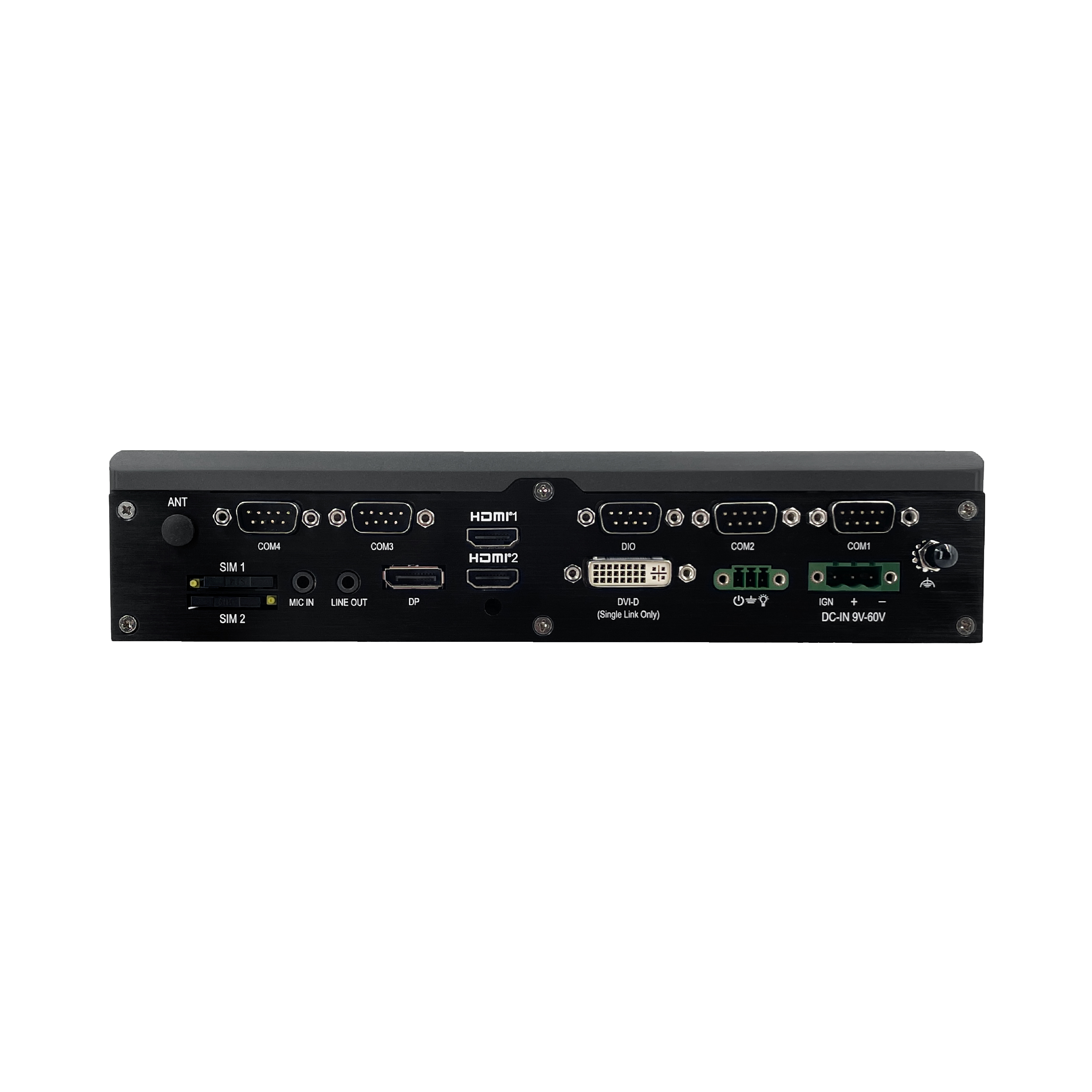
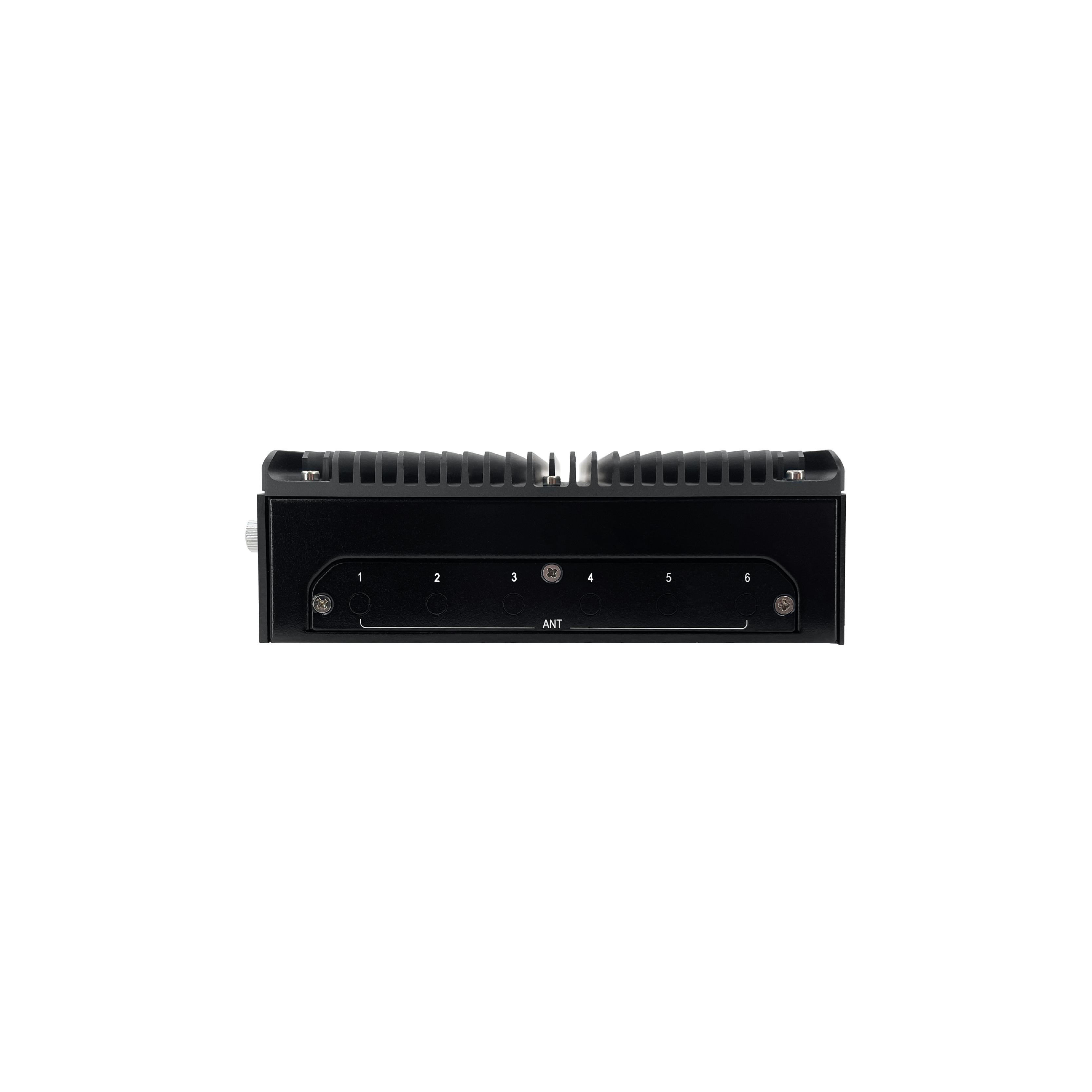
A: The VBOX-3650 is designed to consolidate multiple in-vehicle functions within one computing platform. It provides Ethernet, optional PoE, configurable RS-232/422/485, digital I/O, USB, and multiple internal expansion slots. M.2 and Mini PCIe expansion can be configured for WWAN, Wi-Fi/Bluetooth, GNSS, and CAN connectivity, allowing system integrators to connect cameras, vehicle networks, positioning systems, sensors, and wireless communications according to the deployment architecture.