Technical FAQ
Q1: How do I choose a compact in-vehicle computer for fleet management and transportation systems?
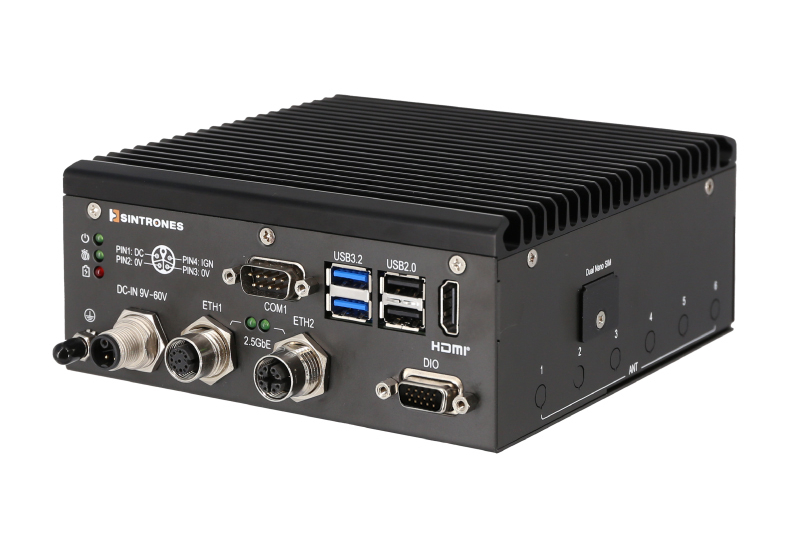
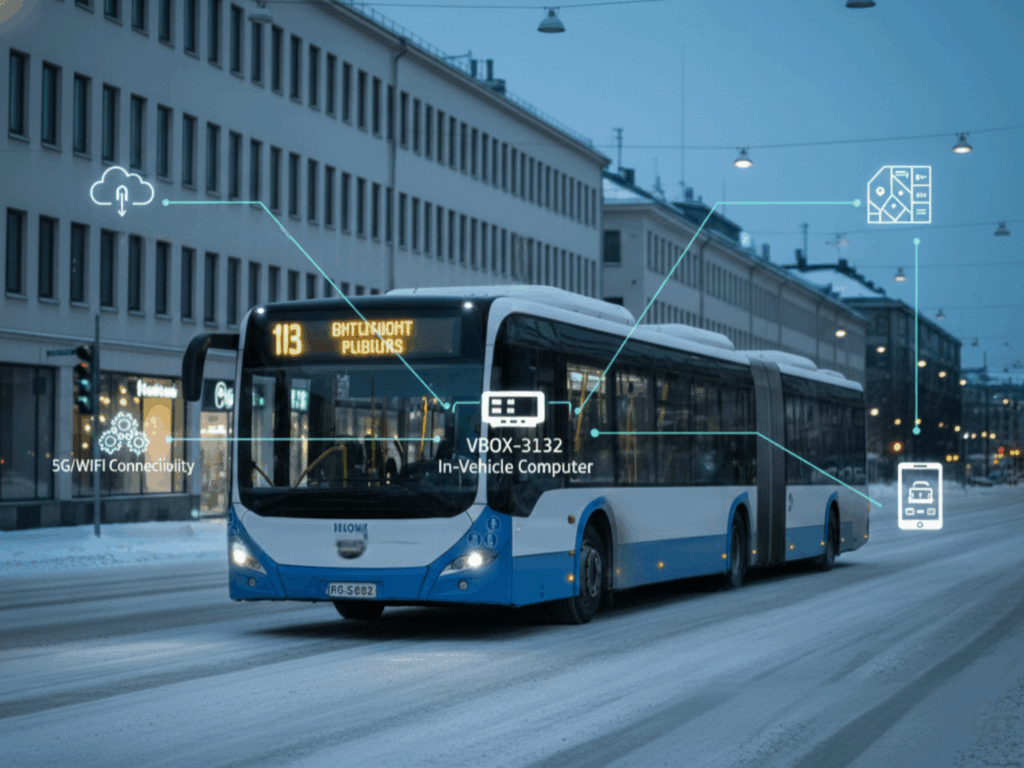
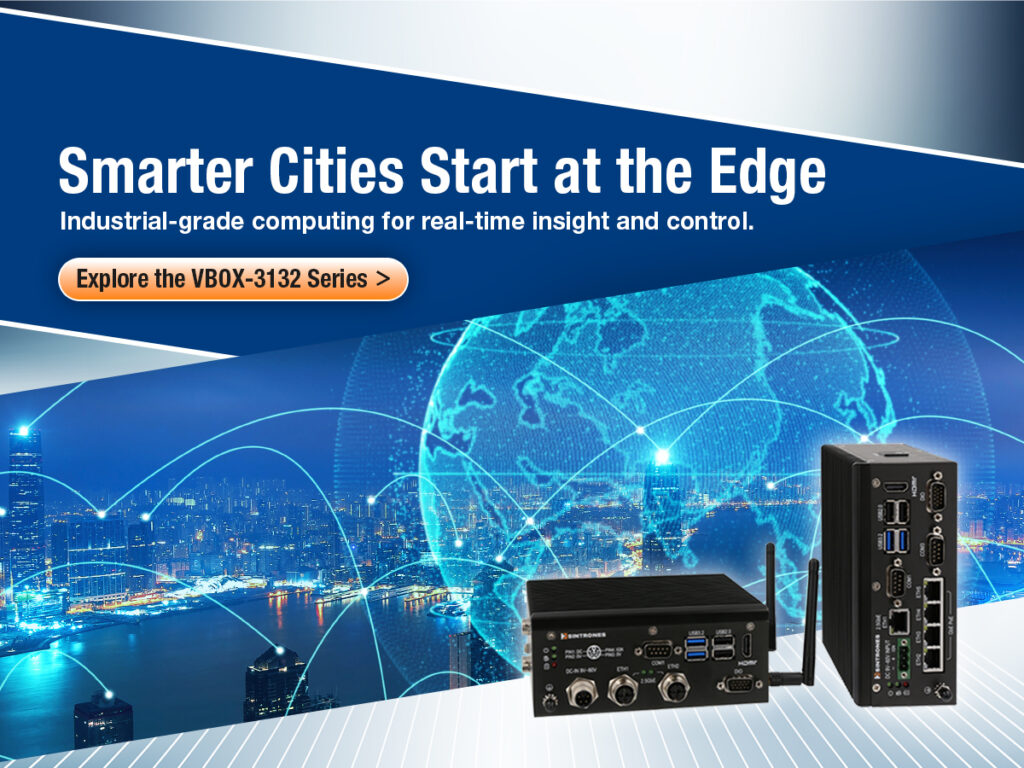
A: A compact in-vehicle computer should be selected based on processing requirements, vehicle connectivity, camera support, power architecture, environmental conditions, and installation space. For fleet and transit applications, features such as CAN FD, WWAN/GNSS expansion, wide-voltage input, ignition control, and rugged mounting are particularly important. The VBOX-3132 combines these capabilities with a compact fanless design and DIN-rail or wall mounting, making it suitable for space-constrained vehicle and transportation installations.
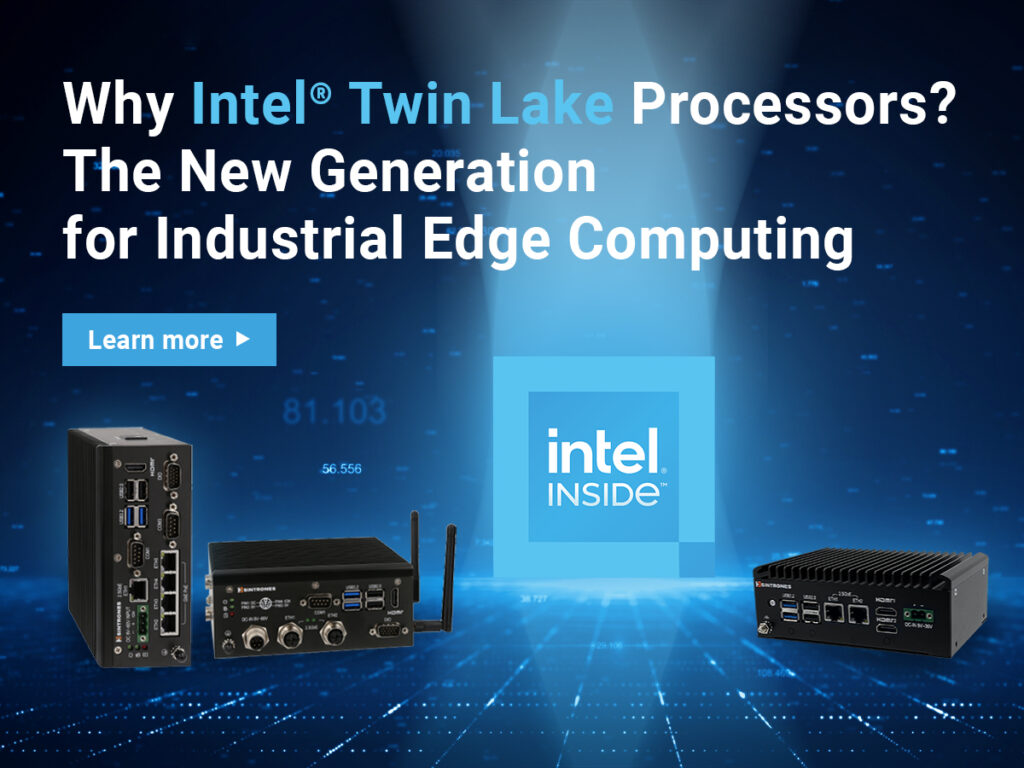
Q2: How do I choose between Intel Atom® x7000RE and Intel® Twin Lake processors for the VBOX-3132?
A: Processor selection depends on the balance between workload, power efficiency, and environmental requirements. Intel Atom® x7000RE options are designed for industrial deployments requiring extended-temperature operation and long-term reliability, with quad-core and octa-core configurations available. Intel® Twin Lake options provide a cost-efficient alternative for applications ranging from low-power edge computing with the N150 to more demanding multitasking workloads with the octa-core Intel® Core™ 3 N355. The appropriate configuration should be selected according to processing load, operating environment, and deployment scale.
Q3: How can the VBOX-3132 support multi-camera surveillance and onboard NVR applications?
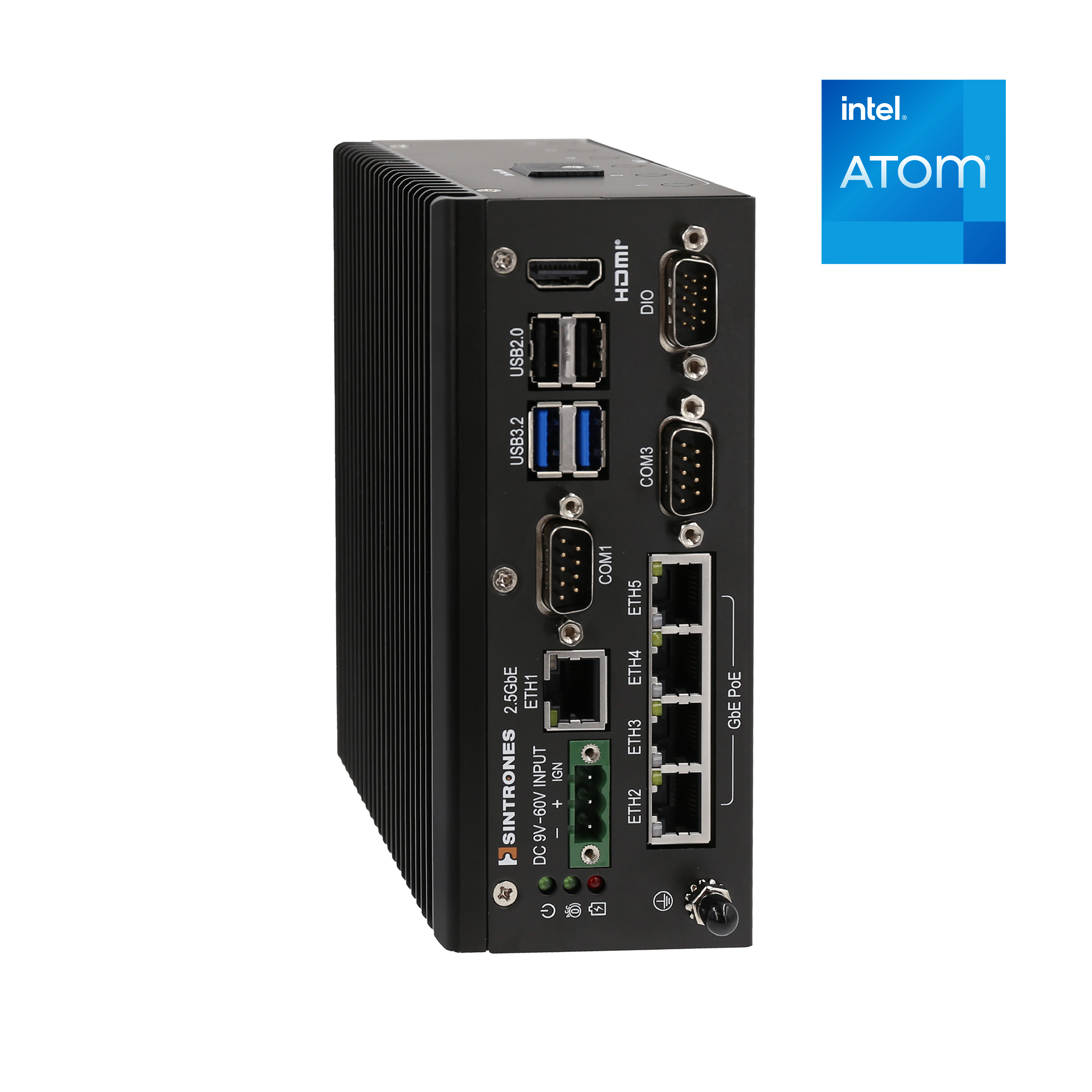
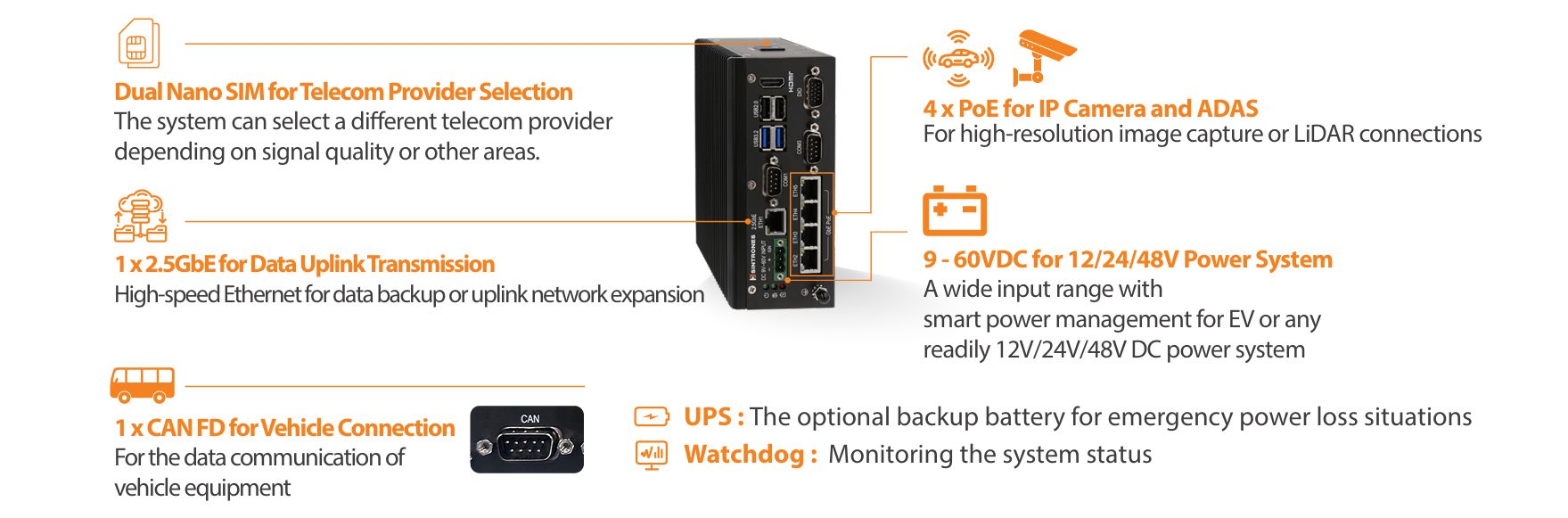
A: The PoE configuration provides four GbE PoE ports with up to 15W per port and a total 60W power budget, allowing IP cameras and other compatible devices to receive data and power through the same Ethernet connection. A dedicated 2.5GbE uplink helps transfer aggregated network data, while dual M.2 2280 SSD interfaces provide scalable local storage for video recording and operational data. This architecture makes the VBOX-3132 suitable for onboard surveillance, fleet monitoring, and other multi-camera transportation applications.
Q4: How can the VBOX-3132 integrate with vehicle networks, sensors, and fleet communication systems?
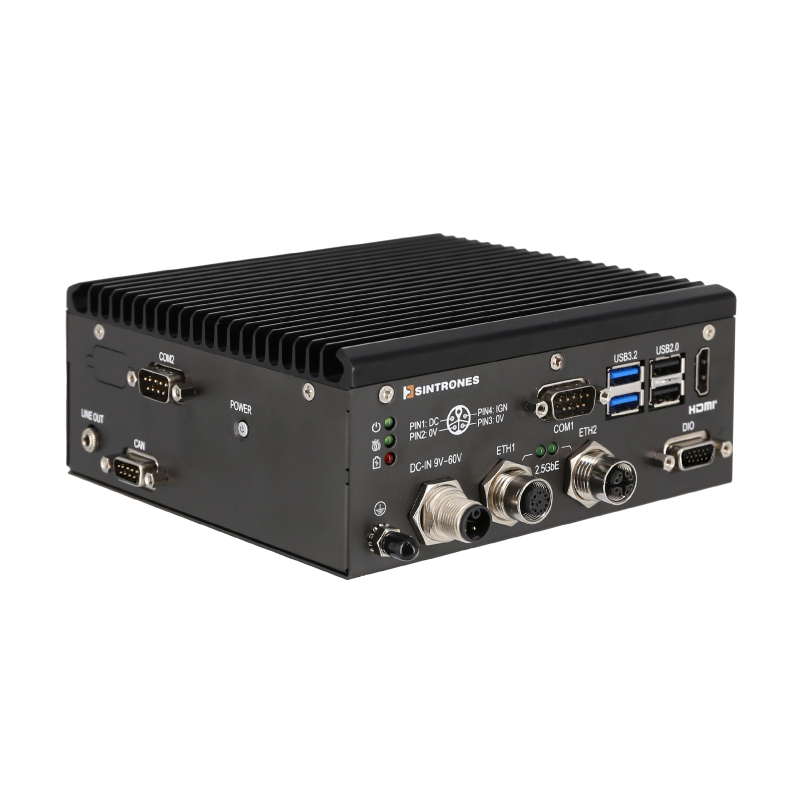
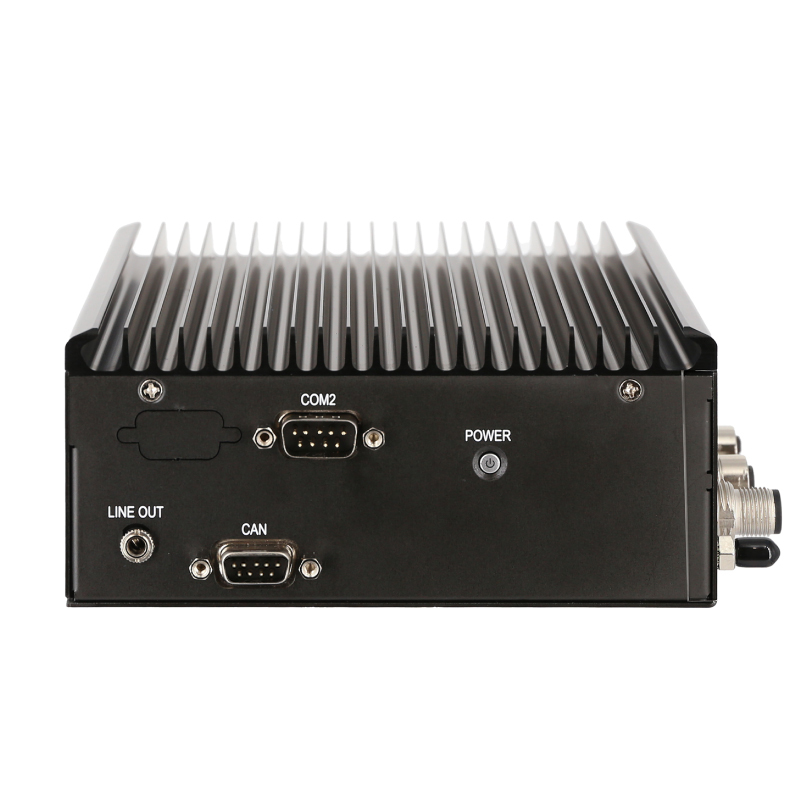
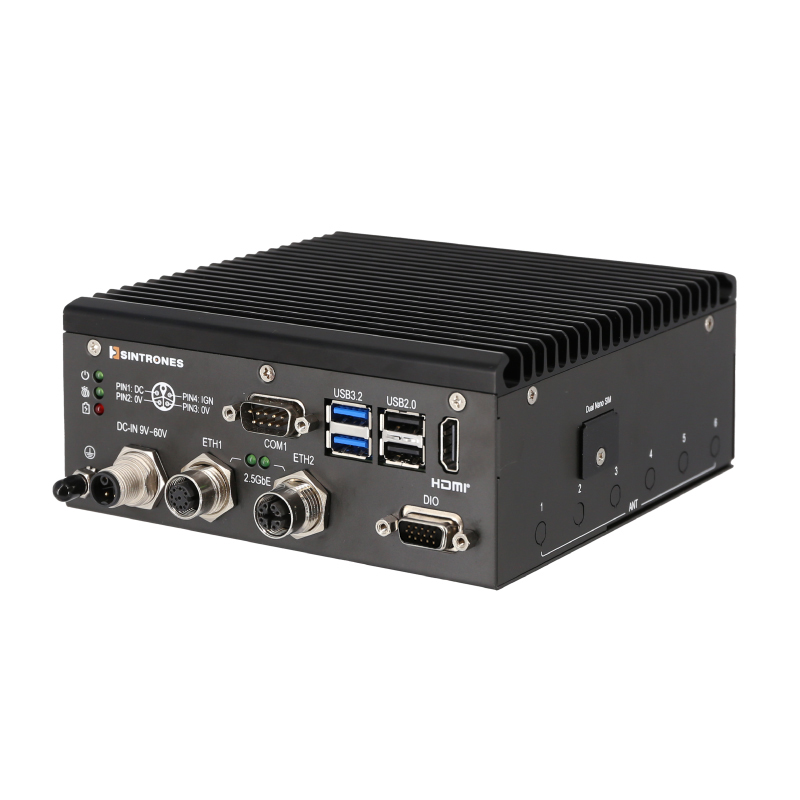
A: The VBOX-3132 provides built-in CAN FD, configurable RS-232/422/485, digital I/O, USB, and Ethernet connectivity for integrating vehicle networks, sensors, controllers, cameras, and other onboard devices. Internal M.2 expansion supports WWAN with dual Nano SIM, Wi-Fi/Bluetooth, and optional GNSS, enabling vehicle data, positioning information, and operational data to be processed locally and transmitted to fleet management or back-office systems.
Q5: How does the VBOX-3132 handle vehicle power conditions and unexpected power loss?
A: The VBOX-3132 supports a 9–60V DC input with ignition detection and smart power management for integration with a wide range of vehicle electrical systems. It also includes over-current, over-voltage, surge, and reverse-polarity protection. For non-PoE configurations, an optional battery backup unit can provide temporary system power during unexpected power loss, helping protect critical data and support a controlled system shutdown.