Solutions

AMR computer

AGV&AMR

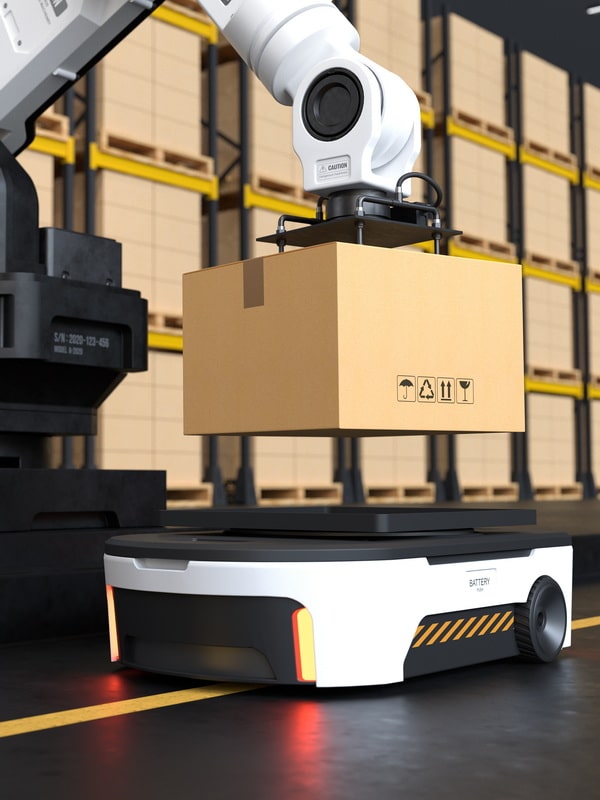
The rapid evolution of smart logistics demands absolute precision and reliability. Implementing AGV and AMR solutions is the key to overcoming the challenges of manual material handling and operational downtime. SINTRONES provides ruggedized, high-performance in-vehicle computing platforms designed to serve as the critical brain for AGV and AMR fleets. By processing complex navigation data in real-time, our solutions ensure seamless warehouse automation and long-term durability in the most demanding industrial environments.

Fixed-Route Automation: Precision for Structured Environments

AGVs are robotic vehicles programmed to follow a fixed route within a facility. They typically rely on markers or wires on the floor or use vision, magnets, or lasers to follow a preset path. These paths are generally predetermined and only change if reprogrammed or reconfigured. This makes AGVs excellent for repetitive tasks and straightforward applications where the environment remains relatively constant, such as transporting goods along a production line.


The strength of AGVs lies in their ability to perform tasks with high precision and efficiency, providing a reliable and cost-effective solution for moving materials in a controlled environment. They minimize errors, reduce labor costs, and improve safety by reducing accidents associated with manual handling.


Autonomous Navigation Controller: Flexibility for Dynamic Spaces

While AGVs have been around for decades, Autonomous Mobile Robots are a newer development in the automation field. AMRs are characterized by their higher degree of autonomy, ability to navigate and make decisions independently based on their environment. Equipped with advanced sensors, cameras, and artificial intelligence, AMRs can perceive their surroundings, map their environment, and dynamically reroute if they encounter an obstacle.


AMRs are especially useful in complex, changing environments where routes must be adjusted frequently. This makes them highly adaptable and flexible, suitable for high reactivity and versatility applications. AMRs can also learn from their experiences, optimizing their performance through machine learning algorithms.

Smart Logistics Optimization: Choosing the Right Automation Strategy

Choosing between an AGV and an AMR comes down to analyzing your specific needs, assessing the nature of your operating environment, and understanding the tasks you need to automate. An AMR might be ideal if the work requires high flexibility and adaptability, such as in a dynamic warehouse setting. Conversely, for structured and repetitive tasks in a controlled environment, an AGV would be more suitable.

In reality, the choice is not always binary, and a combination of AGVs and AMRs can be deployed to maximize the efficiency and effectiveness of your operations. They are not competing technologies but complementary solutions designed to cater to different scenarios in the era of Industry 4.0.

AGVs and AMRs significantly automate logistics and manufacturing processes, increasing productivity, reducing costs, and improving safety opportunities. Understanding their unique strengths and potential applications is crucial for businesses looking to harness the full potential of automation technologies in their operations.

Indeed, to delve further into these technologies, let’s understand how SINTRONES, a leading company in the field, enhances AGV and AMR applications with its industrial computer solutions.


Intelligent Sensory Fusion: Enabling Real-Time Decision Making

AMRs are equipped with various sensors and vision systems such as radar, LiDAR (Light Detection and Ranging), stereo vision cameras, etc. These devices allow the AMR to sense its surroundings and make real-time decisions. For example, if a person or object suddenly enters the AMR’s path, it can avoid or stop on the fly to prevent a collision.


Dynamic Path Planning: Overcoming Obstacles and Congestion

AMR uses a complex path planning algorithm to dynamically plan the best path according to the current environmental conditions and task requirements. This means that even if there are obstacles in the path or the working environment changes, the AMR can adjust its path in real-time to ensure the smooth completion of the task.


Adaptive Fleet Intelligence: Performance Optimization through Data

Many AMRs also have machine learning capabilities to optimize their behavior and performance through extensive data and experience. Over time, these robots can learn how to perform tasks more efficiently and better adapt to changes in the work environment.


Stable Motion Control: Reliable Guidance for Constant Workflows

AGVs typically rely on external navigation markers or systems to determine their path. These means of navigation may include tapes on the ground, radio markers, laser reflectors, etc. Once the path is set, the AGV will move strictly according to this path; even if there is an obstacle, it cannot adjust the path by itself.


Versatile Mission Management: Handling Complex Logistics Demands

AGVs are best suited for repetitive tasks such as moving materials in a production line or transporting goods in a warehouse. In these environments, workflows and paths are relatively fixed, so flexibility and immediate decision-making capabilities are not required. AMRs, on the other hand, are highly resilient and adaptable, making them suitable for tasks that require immediate decision-making and adaptability. This includes those environments where the layout or position of objects may change periodically, such as in a dynamic warehouse or hospital environment.


Operational Reliability: Minimizing Downtime and Ensuring Safety

Due to its relatively fixed workflow and path, AGV is relatively simple to maintain. It only needs regular inspection and maintenance of its navigation equipment and movement mechanism to ensure its regular operation. In addition, since the moving path of the AGV is fixed, workers can easily predict its behavior and avoid collisions with it, which improves the safety of the working environment to a certain extent.

SINTRONES demonstrates exceptional technical prowess and commercial advantages in applying Autonomous Mobile Robots (AMR) and Automated Guided Vehicles (AGV). The ABOX-5211 series industrial computer, launched by SINTRONES, is specially designed for these sophisticated robot systems and possesses several superior features.


Firstly, the ABOX-5211 series industrial computer is equipped with a powerful 10th-generation Intel Core i9 processor, ensuring it can operate at peak performance to handle various highly complex automation tasks. This robust processing power gives SINTRONES products a competitive edge in the market.


Secondly, the ABOX-5211 has 8 GbE ports. It can optionally be equipped with 8 Power-over-Ethernet (PoE) ports, allowing this industrial computer to establish quick and stable connections with other devices and systems, thereby enhancing overall operational efficiency.


In addition, the ABOX-5211 also supports 5G, LTE, and Wi-Fi communication modules, enabling AMRs and AGVs to achieve fast and stable data transmission in wireless network environments, allowing robots to complete tasks more quickly and accurately.


In terms of design, the ABOX-5211 adopts a “One-sided I/O Focusing” integrated design, placing all vital external device connection interfaces on the same side. This feature facilitates user expansion and maintenance of the equipment, further enhancing user experience. Furthermore, SINTRONES has over a decade of R&D experience and earned a good reputation in the global market. This enables them to better understand customer needs and provide adaptive solutions for market changes. SINTRONES has evident advantages in the relevant applications of AMR and AGV. Their strong technical capabilities, innovative design philosophy, and profound R&D experience place them in a leading position in this field.


AGV&AMR Related Products

New
ABOX-5221
ABOX-5221(P)(G)

Intel® Core™ Processors (14th Gen) with Discrete GPU Options and High-Bandwidth 10GbE Edge AI Computer

New
ABOX-5220(P)(G)
ABOX-5220(P)(G)

AI GPU Computer features 14th Generation Intel® Core™ processors with discrete NVIDIA and Intel GPU options for Edge AI Solution

New
IBOX-650P-IP66
IBOX-650P-IP66

NVIDIA® Jetson AGX Orin™ Edge AI Fanless Computer

New
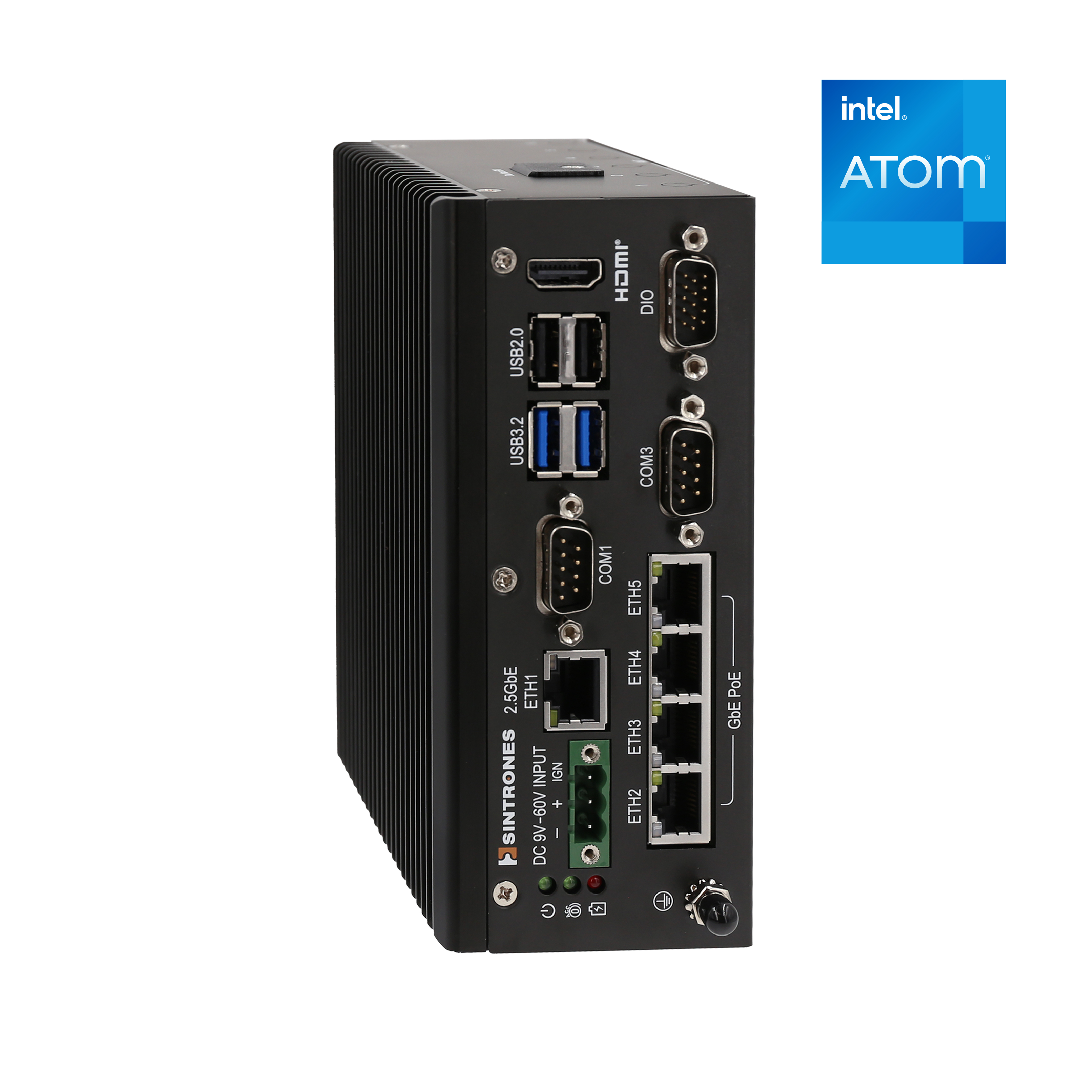
VBOX-3132 Series

Intel Atom® x7000RE DIN-rail PoE Fanless Rugged Edge Computer

New
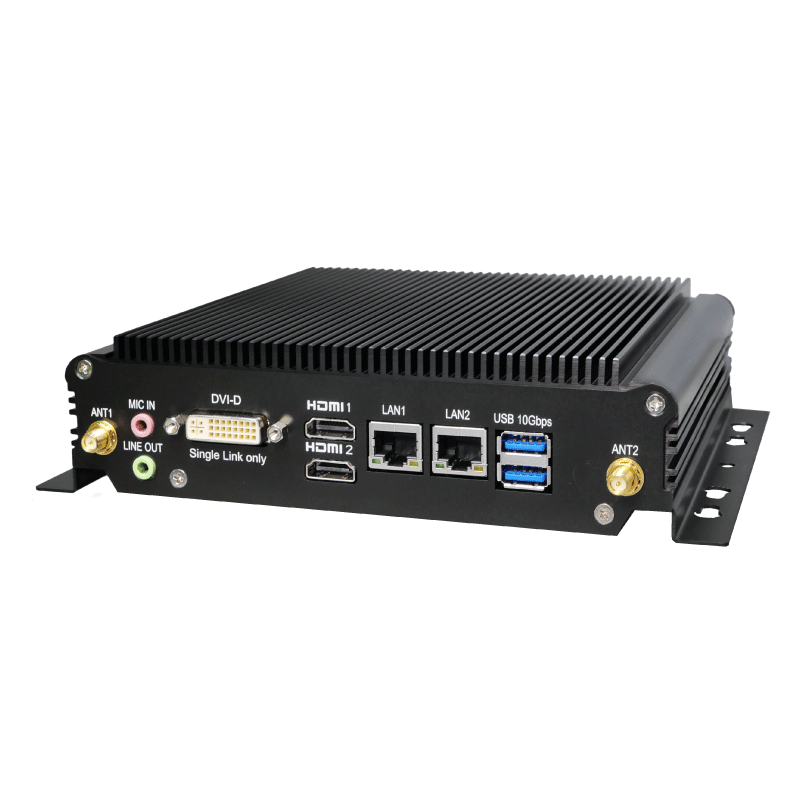
VBOX-3123
VBOX-3123-R2312

AMD Ryzen™ Embedded R2312 w/ 1x DVI-D / 2x HDMI® / 2x GbE / 4x COM / DC 9~60V In-Vehicle Computer

SBOX-2623-R2312

AMD Ryzen™ Ultra Compact & Cost-effective Computer

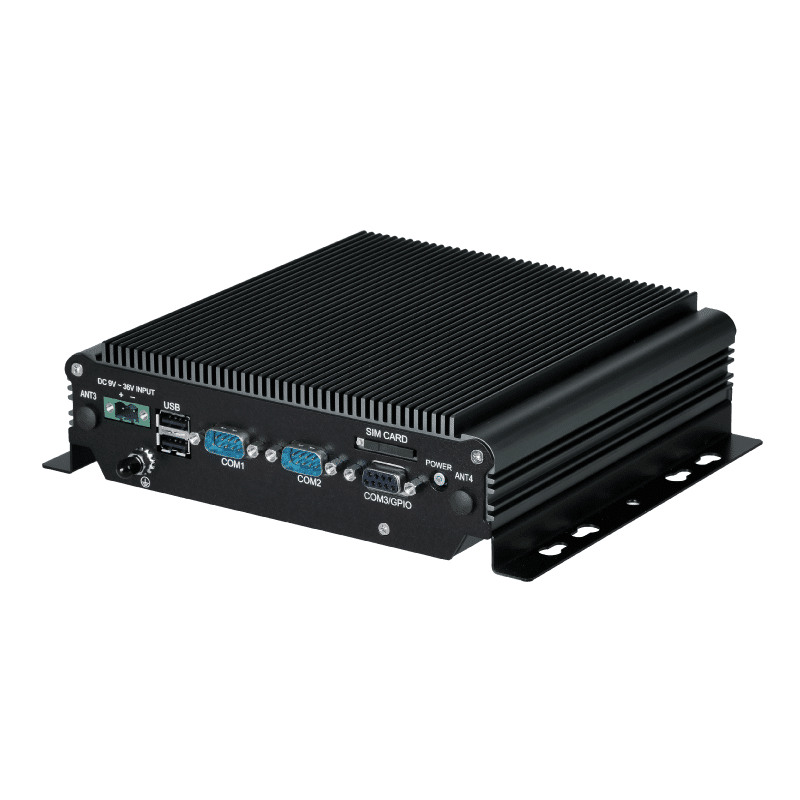
SBOX-2321

Intel Atom® x6416RE Quad-core Processor w/ 2x LAN/ 1x DP / 1x DVI-D/ 2x COM/ DC-IN 9-36V Embedded Computer

 
Processing