Smart Agriculture
Smart agriculture refers to the use of advanced technologies and innovative solutions, combined with the Internet of Things (IoT), extensive data analysis, artificial intelligence (AI), cloud computing, and other related technologies, to improve the efficiency, quality, and sustainability of agricultural production a mode of agriculture. Smart agriculture uses sensors and equipment to collect and monitor data such as soil moisture, temperature, light, and air quality. It transmits the data to the cloud platform through wireless communication for analysis and processing. Farmers can use mobile phone applications or computer monitoring systems to understand the status of farmland in real-time to precisely adjust irrigation, fertilization, pest control, etc., improve crop yield and quality, and reduce waste and environmental impact.
Astute animal husbandry uses advanced technology and digital solutions to apply the Internet of Things, extensive data analysis, and artificial intelligence to animal husbandry’s management and production process. Through sensors and monitoring equipment, data such as environmental conditions, animal behavior, and the health status of livestock farms can be monitored in real-time. These data can be transmitted to the cloud platform through wireless communication for analysis, helping farmers review and improve animal husbandry management strategies, including feed supply, disease prevention and treatment, and breeding management. Astute animal husbandry can also provide accurate animal husbandry data and health monitoring to help farmers make more informed decisions and improve the efficiency and sustainability of animal husbandry.
Smart agriculture and innovative livestock aim to harness the power of technology and data to increase the productivity, efficiency, and sustainability of agriculture and livestock while reducing costs, waste, and environmental impact. These innovative solutions can change traditional farming and livestock operations, making them more innovative, efficient, and sustainable.
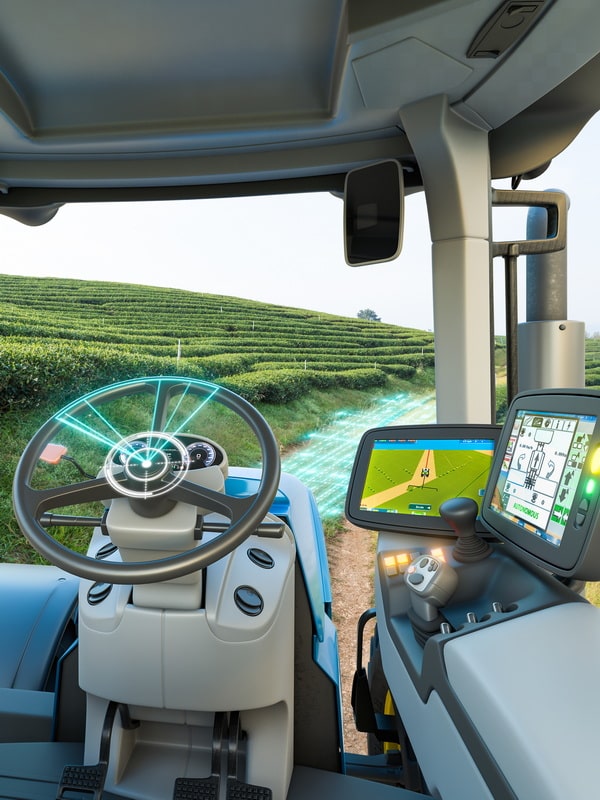
IoT technology connects sensors and devices to achieve farm automation. For instance, automated irrigation systems adjust water usage based on soil moisture, saving resources while improving efficiency. Additionally, intelligent machinery reduces labor pressure and boosts overall production.
By applying SINTRONES Industry 4.0 solutions—including cloud computing and big data analysis—small farmers can overcome challenges like labor shortages and extreme climates. These technologies enable precise management of planting and feeding, reducing waste while enhancing crop quality.
Using Industry 4.0 technology to apply cloud technology, extensive data analysis, Internet of Things, intelligent machinery, and sensors to agriculture can help small farmers cope with challenges, improve production efficiency, reduce costs, and improve product quality, thereby realizing Taiwan’s agriculture—sustainable development. The support and promotion of the government and relevant institutions play an essential role in this process, providing technical training, financial support, and market development support for agricultural operators and promoting the coordinated development of agriculture and industry.
Modern agricultural planning now responds directly to consumer market demands. By integrating R&D with labor-saving equipment and ICT, farms can adopt more efficient management models. The introduction of IoT, Big Data, and Blockchain ensures the production of safe, secure, and traceable products.
Smart agriculture utilizes sensing elements such as image recognition and environmental sensors. Data on temperature, humidity, and pests are uploaded to cloud databases via wireless communication. This information assists managers in making informed decisions regarding production, sales, and customer service.
Farmers can monitor environmental conditions in real time using sensing components. From soil moisture to carbon dioxide levels, this data allows for immediate actions like automatic greenhouse temperature control.
Furthermore, extensive data analysis helps predict market trends and adjust marketing strategies. To ensure food safety, Blockchain technology provides a transparent and untamperable record. This allows consumers to trace the entire production process, ensuring the highest quality and security.
The application of these technologies can help agricultural operators achieve the goal of intelligent agriculture, improve production efficiency, reduce costs, increase product quality, and at the same time, meet consumers’ needs for food safety and traceability. The government and relevant institutions are essential in promoting intelligent agriculture development, providing support, training, and resources, promoting the combination of agriculture and technology, and achieving sustainable agricultural development.
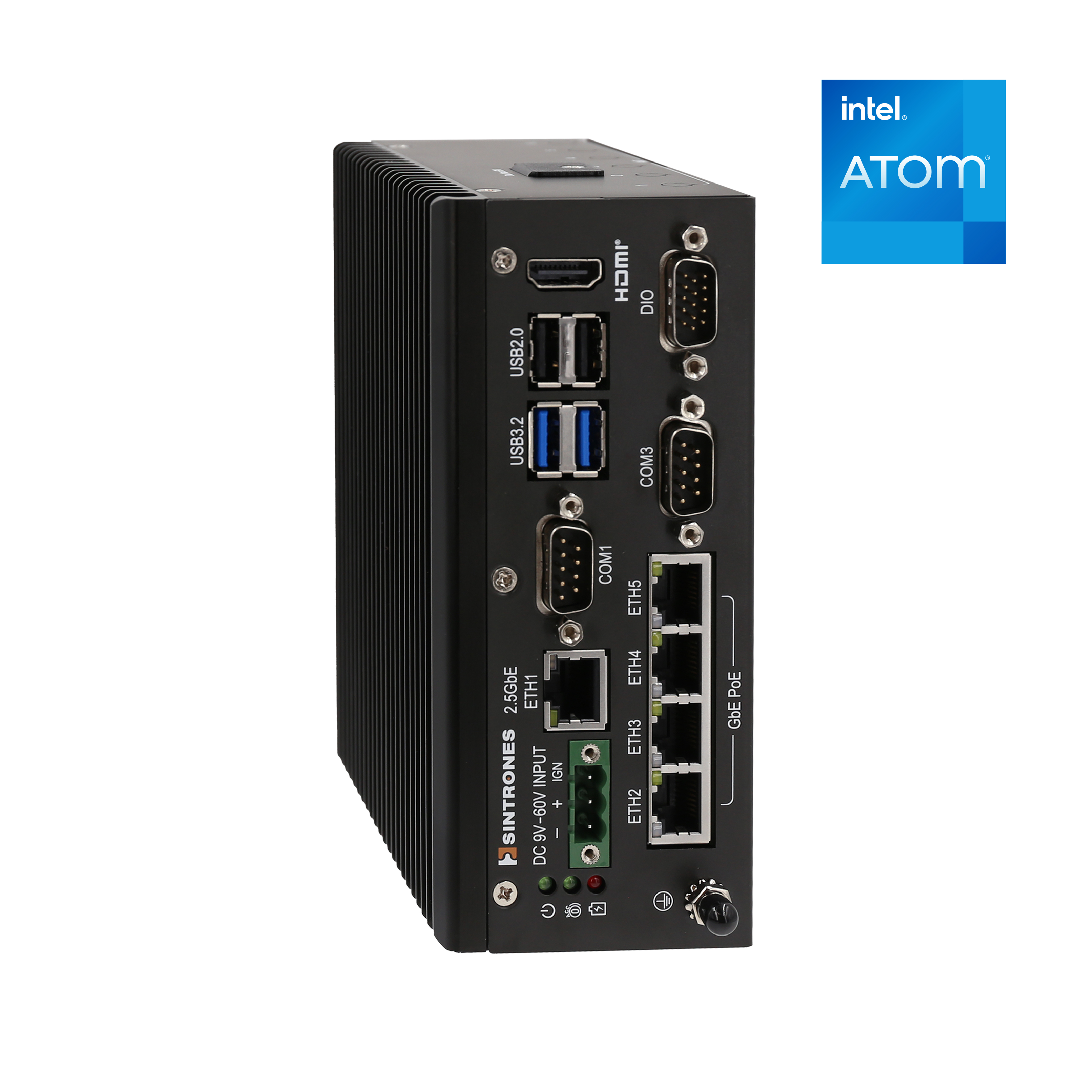
SINTRONES plays an essential role in promoting intelligent agriculture development, providing reliable hardware and resources to achieve sustainable agricultural development.