High-Performance In-Vehicle Edge AI Controllers for AGV and AMR Navigation
In a 24/7 smart warehouse or high-throughput manufacturing facility, the efficiency and reliability of your AGV and AMR fleet directly determine your total operational throughput. Implementing next-generation AGV and AMR solutions requires far more than simple, mechanized automation; it demands ruggedized, industrial-grade computing power capable of handling complex real-time sensor fusion. SINTRONES provides highly specialized, intelligent autonomous navigation controllers specifically engineered to empower AGV and AMR systems with real-time SLAM (Simultaneous Localization and Mapping) and high-bandwidth LiDAR processing. This advanced computing backbone ensures maximum fleet uptime, millisecond-level obstacle avoidance, and pin-point trajectory precision, even within the most crowded and demanding industrial environments.
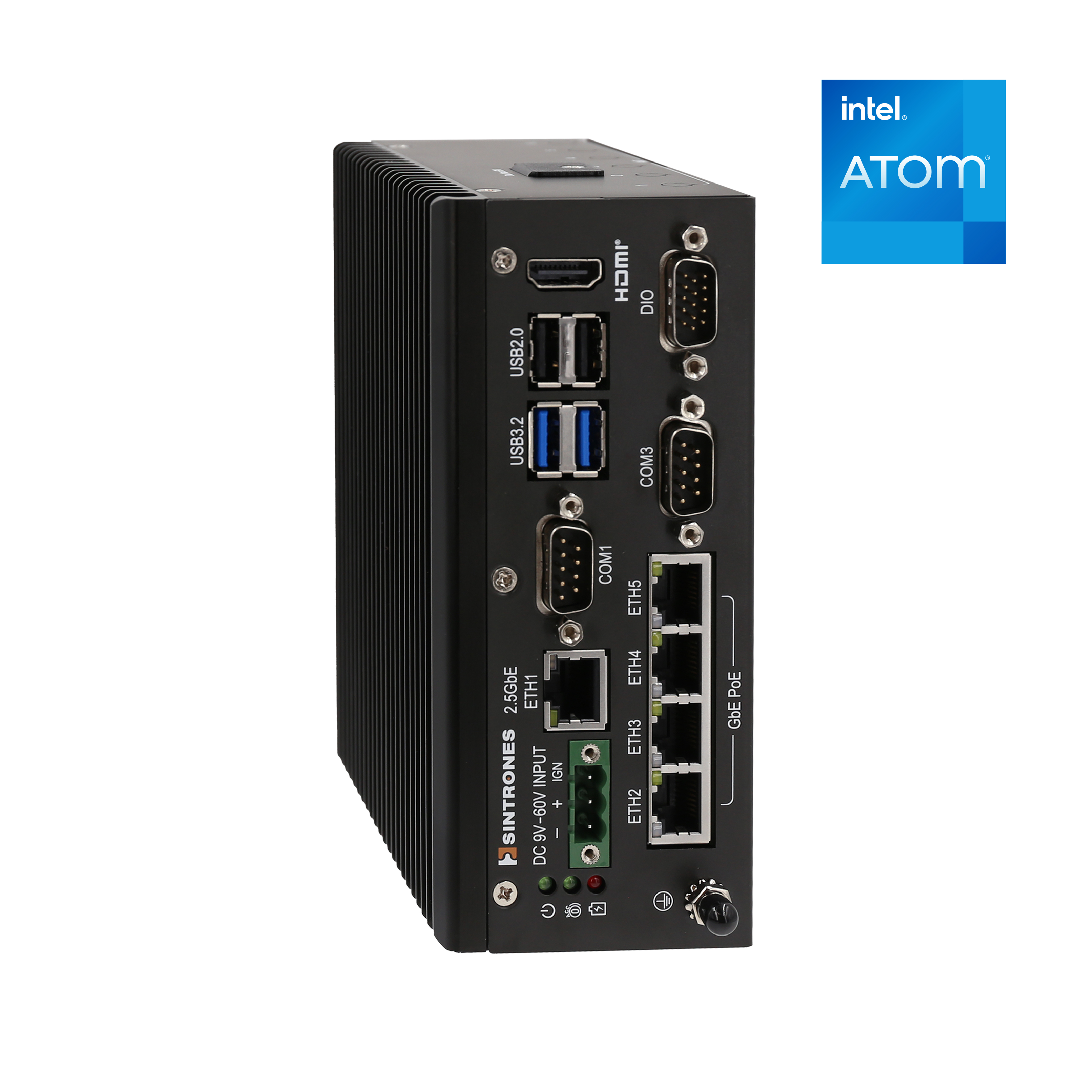
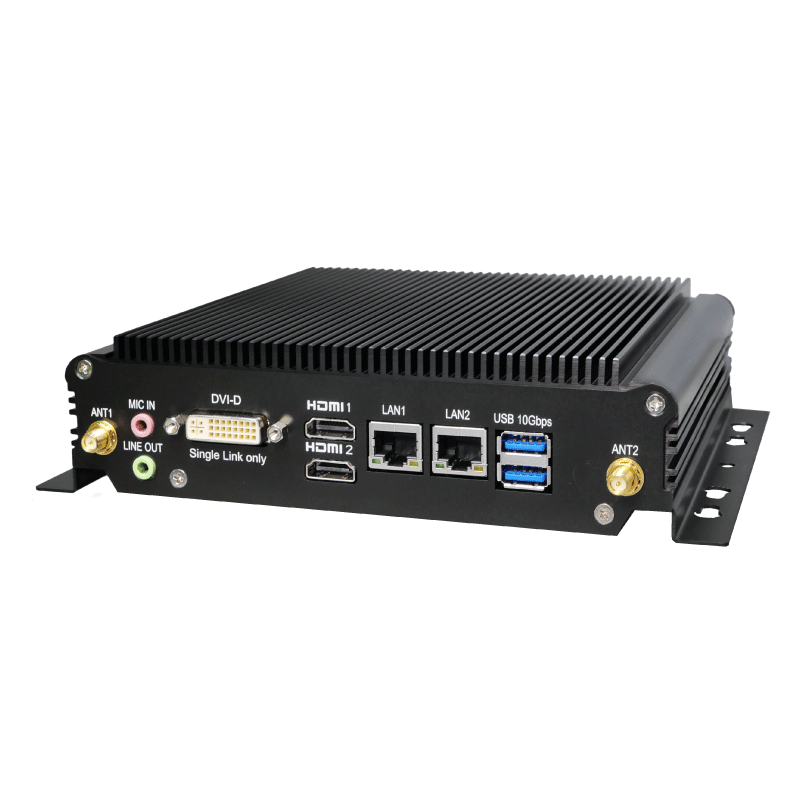
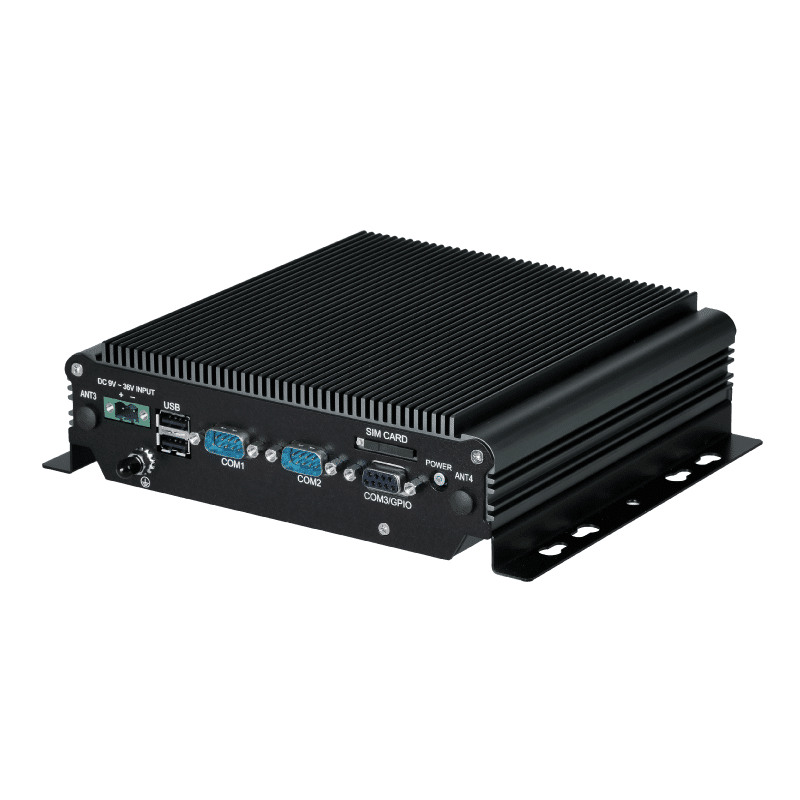
To achieve true autonomy on the factory floor, modern robotic vehicles must process massive streams of concurrent data from 3D LiDARs, stereo vision cameras, and ultrasonic detectors simultaneously. SINTRONES addresses these rugged operational requirements by constructing our AGV/AMR controllers with fanless heat dissipation, wide-range DC power inputs, and strict military-grade shock and vibration protections. Equipped with rich industrial I/O expansion—including high-speed CAN bus and multiple Power-over-Ethernet (PoE) ports—our platforms effortlessly unify vehicle motion control, localized AI inference, and wireless fleet management over 5G and Wi-Fi networks. Investing in SINTRONES means equipping your autonomous fleet with a future-proof, safety-certified brain that minimizes costly warehouse downtime and dramatically boosts long-term logistics ROI.